CHALLENGE,  COACH,  EXTRA,  March 2023,  Premium,  Top Tips

Adaptive Swimmer: Sophie Etheridge

Register to get free articles

No spam Unsubscribe anytime

Want unlimited access? View Plans

Already have an account? Sign in

“Spring is the time of plans and projects” (Leo Tolstoy). Adaptive Swimmer: Sophie Etheridge on how to plan and train for summer swimming challenges. 

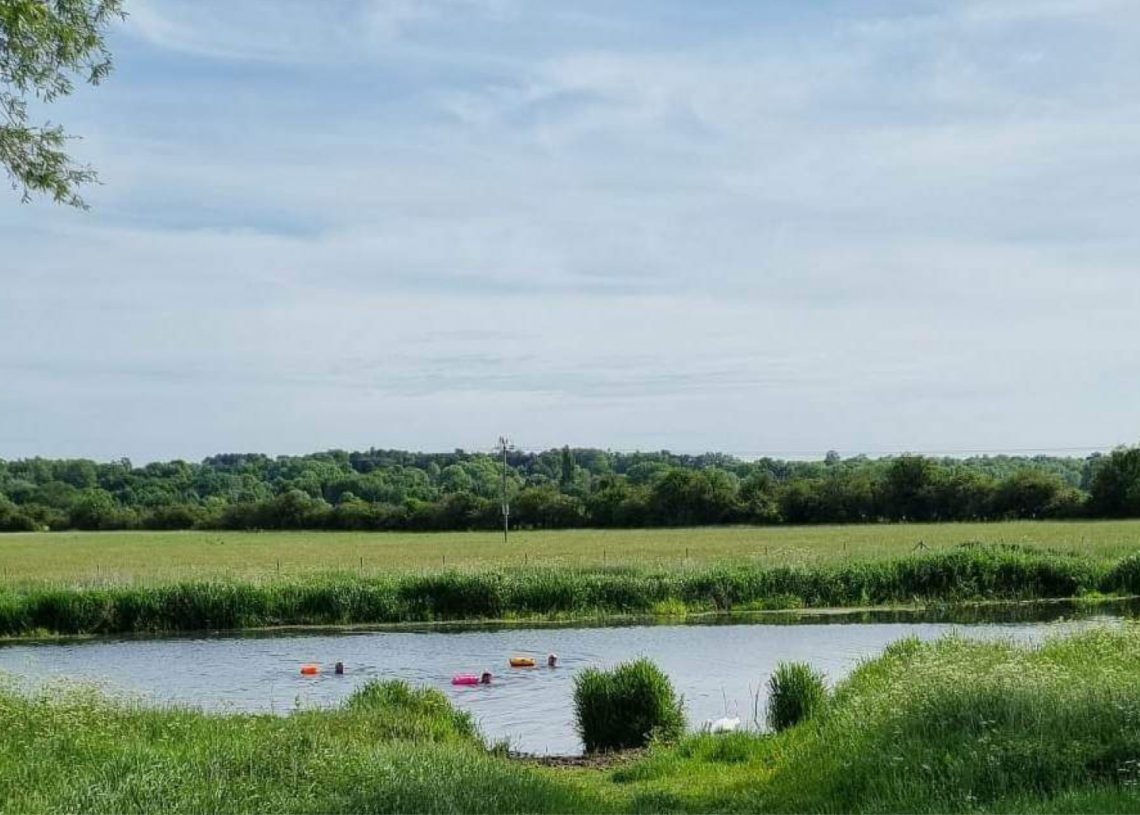
It’s a funny time of year: sunny but cold, with spring flowers covering the riverbanks and the open water beckoning. However, it is still freezing cold so sadly, it’s not really suitable for long distance swimming yet, at least not for me as an adaptive swimmer.

This is the time of year that I start planning. I work out what events I want to enter through the summer and, once I have decided on an event, I start building my training plan. It turns out that it was just six years ago that I started training for my first ever marathon swim (10km).

Well, this year, I’ve done all the planning and the English Channel is waiting for me in August. However, I know many people are still at the planning stage so I wanted to explain how I choose my swims and more importantly how I plan and train for them!

The first step when looking for an event is to have a rough distance in mind. Consider what events you have done and if you have any future swimming goals. My goals have always been marathon swimming. So, since accepting my disability and getting back into open water swimming, I have worked on swimming further, building it up from a one-mile swim event to swimming a Windermere two-way and, from there, increasing my confidence and distance each year.

Choose your event

Once you have decided what your goals are, you can go to the Outdoor Swimmer ‘Events’ finder and start searching. You should make your main event towards the end of the open water season and work backwards – that way you have enough time to train. I also advise having a few smaller events in the lead up. Partly because you learn something new at every event but mainly just because swim events are fun!

Once you have found an event most people can just sign up and book any accommodation or travel needed. However, if you have a disability, it can be a bit more complicated. You need to consider access, facilities, transport and more.

So, my next step is to contact the organiser to find out if the event is accessible and they are happy to have an athlete with a disability at their swim. I’ve found that giving five simple pieces of information normally helps organisers to decide if the event is suitable for me:

  • I am a wheelchair user
  • I can walk short distances with crutches
  • I need nearby parking
  • I may need assistance/support in entering and exiting the water
  • My ability as a swimmer.

I then wait anxiously for a response. Once it comes, I can decide if the event will be accessible for me. If it is, I start building my training plan. If not, I keep searching! As soon as you have your event booked it’s time to spring forwards towards your goals. Do the planning and prep now so that, by the time your event comes round, you’re ready to give it your all!

Photo: Ali Spragg. This article is from the March 2023 issue of Outdoor Swimmer. Click here to subscribe to the magazine.

To see all the online content from the March 2023 issue of Outdoor Swimmer, visit the 'Hemispheres' issue page.
Stay up to date with The Dip, our free weekly outdoor swimming newsletter.

Outdoor Swimmer is the magazine for outdoor swimmers by outdoor swimmers. We write about fabulous wild swimming locations, amazing swim challenges, swim training advice and swimming gear reviews.