
The rise of swimming content creators
Ultra-marathon open water swimmer, writer and content creator Adele Benson explores both the advantages and disadvantages of swimming through a digital age
A few years ago, if you wanted to follow swimming online, your options were limited. You might watch Olympians, elite triathletes or the occasional professional swimmer sharing training sessions and race results. Now, open Instagram or TikTok and you’ll find a different picture.
Introducing the swimfluencer: content creators across social media sharing their love for open water or wild swimming. Among them are people squeezing training around full-time jobs, parents fitting swims between school runs, nervous first-timers documenting their first dip in a lake and marathon swimmers sharing months of training, including the disappointment when things don’t go to plan. Swimming content creators have become a significant part of the sport’s landscape. They influence what swims people enter, how they train and whether they feel they belong in the sport.
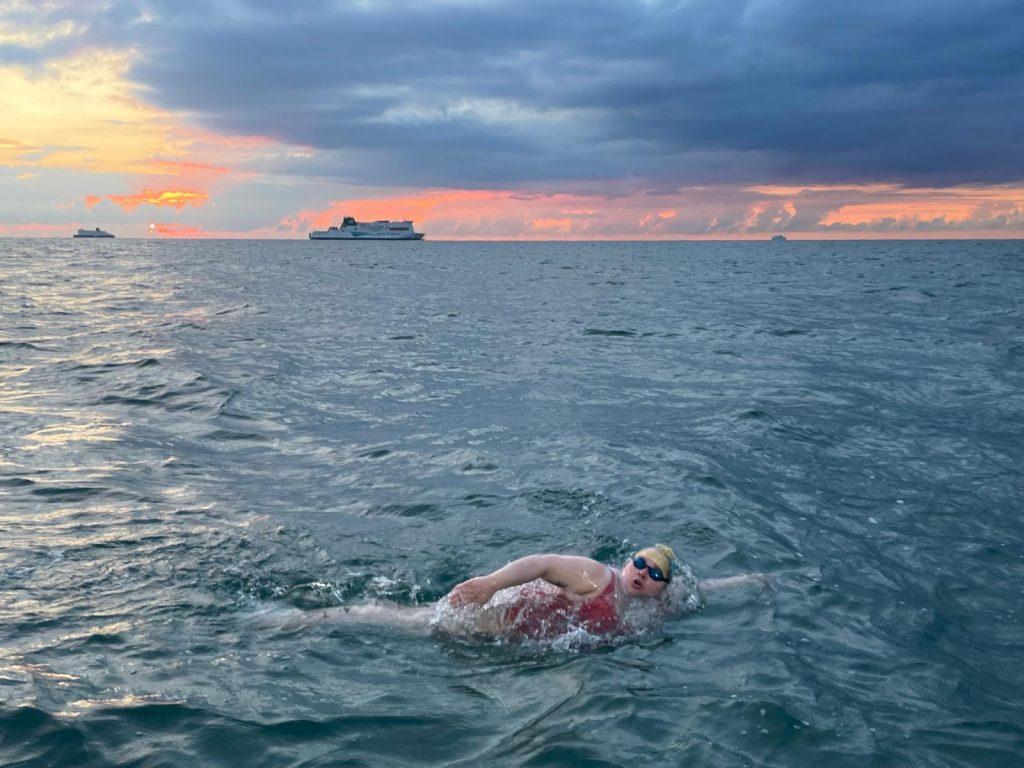
After swimming the English Channel in 2024, I started documenting more of my swimming online. Partly because I wanted somewhere to share the journey, but mostly because the sport can feel niche and I wanted to find community.
Swimming’s new role models
While researching this article, I asked my followers what impact swimming content creators had had on them. I expected recommendations for events, training tips, new places to swim and concerns about oversharing beauty spots or poor safety advice leading to casualties. Instead, I received dozens of messages about confidence. One swimmer said creators had inspired them to attempt their longest swim yet. Another said following open water swimmers had made them seriously consider trying the sport themselves.
Often, people came back to the same theme: seeing somebody who looked like them doing something they hadn’t thought was possible. It was often about seeing someone balancing training with work, someone who didn’t have a stereotypical athlete’s body, or someone sharing fears, setbacks and bad swims alongside successful ones. One follower summed it up perfectly, “I feel that the content creators encourage me to keep going with my own goals, I like to see ‘real’ creators that show the good, the bad and ugly and ways to get better, and that I’m not alone in how I may feel if I’m having a bad day or have a fear of something.”
For years, much swimming media focused on exceptional performances. Social media has widened the picture. Now we’re also seeing familiar moments: swimming with friends, the changing seasons and ordinary swims that still matter.
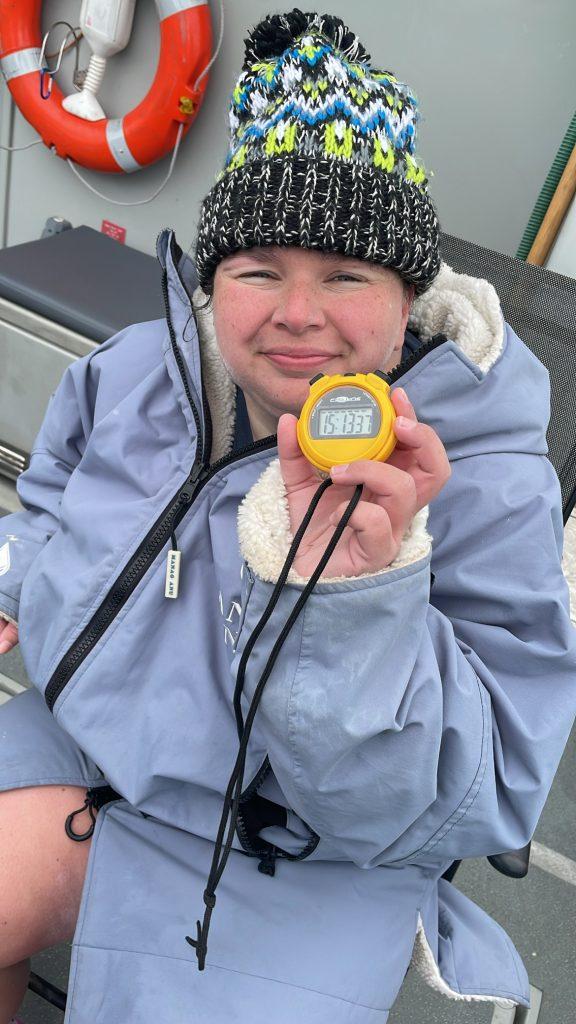
If you can see it, you can be it
I was struck by how many people described being encouraged to start something because they had watched somebody else do it first. One swimmer told me following open water creators led them to find a coach and sign up for an ultramarathon swim. Another said they had never considered swimming outdoors before but now thought about giving it a go. Georgia (@georgia.swims), a content creator and English Channel swimmer training for a Jersey-to-France swim, believes visibility has played a huge role in the sport’s growth. “What is great about open water swimming content creators is that now you can see yourself in multiple people,” she told me. “You can see the struggle with training and work, you can see your body type and it makes you feel like you can do it.”
Swimming can be a solitary sport. Many people train alone, while some live far from established outdoor swimming communities. In its place, social media has become ‘the changing room’, the area where you connect with others. Your ‘is this normal?’ questions met with a resounding yes. Respondents described feeling connected to a wider swimming community, some spoke about discovering events and learning from experienced swimmers. Others simply appreciated knowing somebody else understood bracing for cold water and occasional self-doubt.
Swimming escapes the bubble
Swimming content isn’t only being seen by swimmers; it’s moving beyond the niche and into the mainstream. Earlier this year, Georgia shared a post about her planned Jersey-to- France swim. It quickly escaped the swimming world and found a wider audience. Many viewers assumed she meant New Jersey and commented, concerned that she was planning to swim across the Atlantic Ocean. The misunderstanding was funny, but showed how far swimming content can travel. Previously, stories about marathon swimming were mostly consumed by other swimmers. Today, a single post can put open water swimming in front of hundreds of thousands of people who have never worn a tow float or understood that it doesn’t attach to your toe. As Georgia put it, “Swimming used to just be professionals or triathletes or Ironman. But now it’s growing, many creators have faced similar confused questions about why you can’t just get on the boat for a rest,” Georgia said.
The responsibility of influence
While researching this article, one concern surfaced repeatedly: comparison. ‘Swimflation’ is the social media-driven perception that swimming long distances at fast times is an average baseline of fitness. Fueled by seeing extraordinary feats online, it creates a distorted reality where casual or moderate swimmers feel their shorter efforts or slower paces are inadequate. A marathon swimmer’s training week can become somebody else’s benchmark as major achievements appear in short videos that rarely show the years of preparation behind them. It can create a false perception that if you swim outdoors, you must be training for the English Channel.
Several swimmers spoke about feeling inadequate when comparing themselves to what they saw online. One respondent said everyone seemed to swim further, faster and more frequently than they did. Another worried content could unintentionally encourage overtraining among swimmers preparing for similar events. As creators, we are not responsible for how every person interprets our content and should feel empowered to share success. But we are responsible for recognising that people can misinterpret.
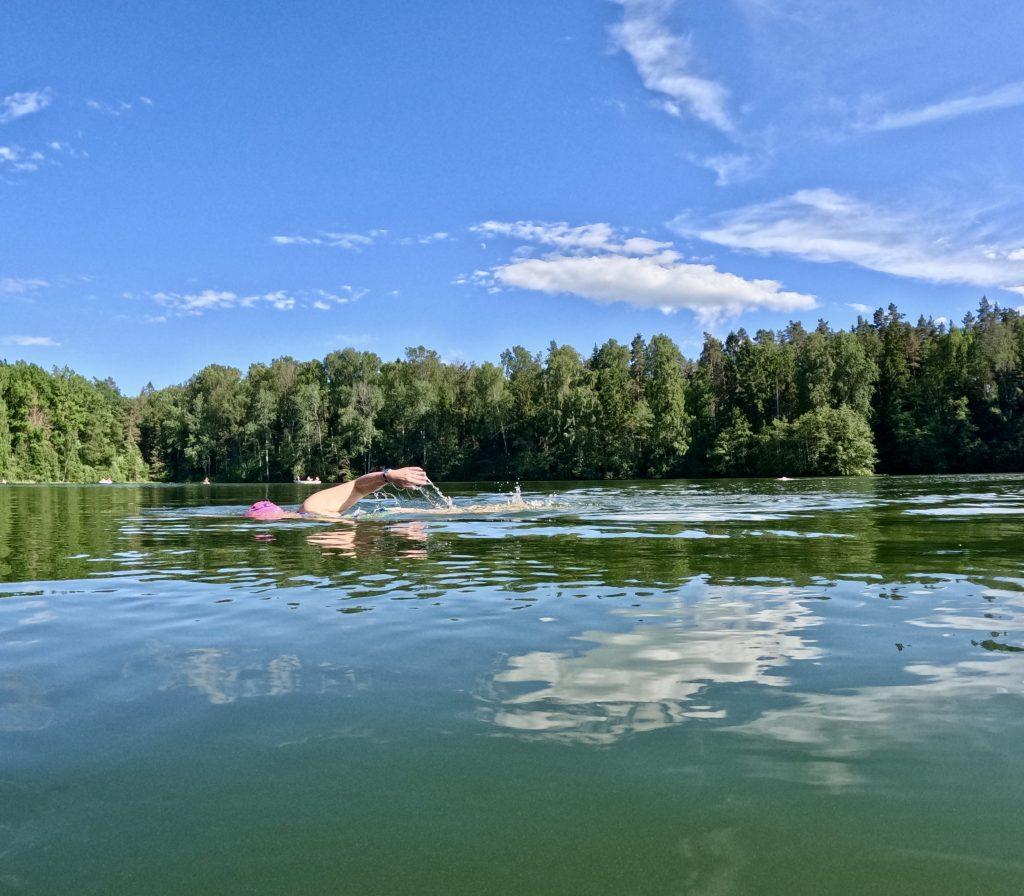
Personally, this has changed how I approach what I share. I rarely post my own training, pace data or swim times anymore after a coach told me swimmers compare their training volume to mine, despite the fact I often train more than is necessary simply because it reassures me psychologically before big swims. Georgia also felt that responsibility as a creator. “I wouldn’t want to influence someone into doing a big open water swim without respecting the challenge and dangers of it.” The challenge is not that creators are being dishonest, it is that social media compresses reality and can reward the result more than the journey. Meaning that difficult sessions, family commitments, injuries, doubts and years of experience often sit outside the screen.
Outdoor swimming carries risks that cannot always be captured in a video or photograph. Water conditions, tides, temperature, support crews and local knowledge are often invisible to viewers. Respondents felt there was a lack of accessible information around feeding, progression, risk assessment and safe participation. Others noted that social media can blur the line between expertise and experience. A confident presentation does not necessarily indicate formal knowledge or qualifications. Media coverage of influencers often focuses on overcrowded beauty spots and environmental damage. Outdoor swimming is not immune to these concerns. Social media can influence where people choose to swim and increased visibility can bring pressure to fragile environments.
Yet what struck me while speaking to swimmers was that these concerns were raised less often than comparison, safety and responsibility. Perhaps that reflects the maturity of the swimming community. Many creators are not simply sharing locations. Increasingly, they discuss water quality, environmental protection and safe participation. Creators are not just broadcasters; they are swimmers absorbing the same content and carrying many of the same hopes as the people watching them. Many want the online conversation to push beyond beautiful swims towards a culture that treats the water, the risks and the places we enter with more care.
More than content
The rise of swimming content creators reflects a broader shift in who gets to represent swimming. For many people, social media has made the sport feel accessible and welcoming. It has introduced new role models, challenged outdated stereotypes and helped swimmers find communities they may never have encountered. But influence always carries responsibility. Successful creators are not necessarily those completing the most extraordinary swims. They are people making swimming feel open to anyone. And for many swimmers standing at the water’s edge wondering whether they belong, that can make the difference.

Outdoor Swimmer
Outdoor Swimmer is the magazine for outdoor swimmers by outdoor swimmers. We write about fabulous wild swimming locations, amazing swim challenges, swim training advice and swimming gear reviews.