


How do I choose the best swimsuit back style?
How do you balance performance and support when it comes to swimwear back styles? Margot Lundgren, Product Line Manager for Zoggs Swimwear, shares her expert advice
What’s your background in swimwear design?
Swimwear has always been a passion of mine. I’m an outdoor swimmer myself, and a qualified swim teacher. I’m based near Sydney, Australia, and I can be in the ocean in five minutes. My background is in design. I’ve worked as swimwear design consultant at Zoggs for 14 years; before that I was at another swim brand for 20 years. I’ve been involved in scientific testing for training and racing swimwear. I’m interested in correlating science and function with design.
Why is back style so important in swimwear?
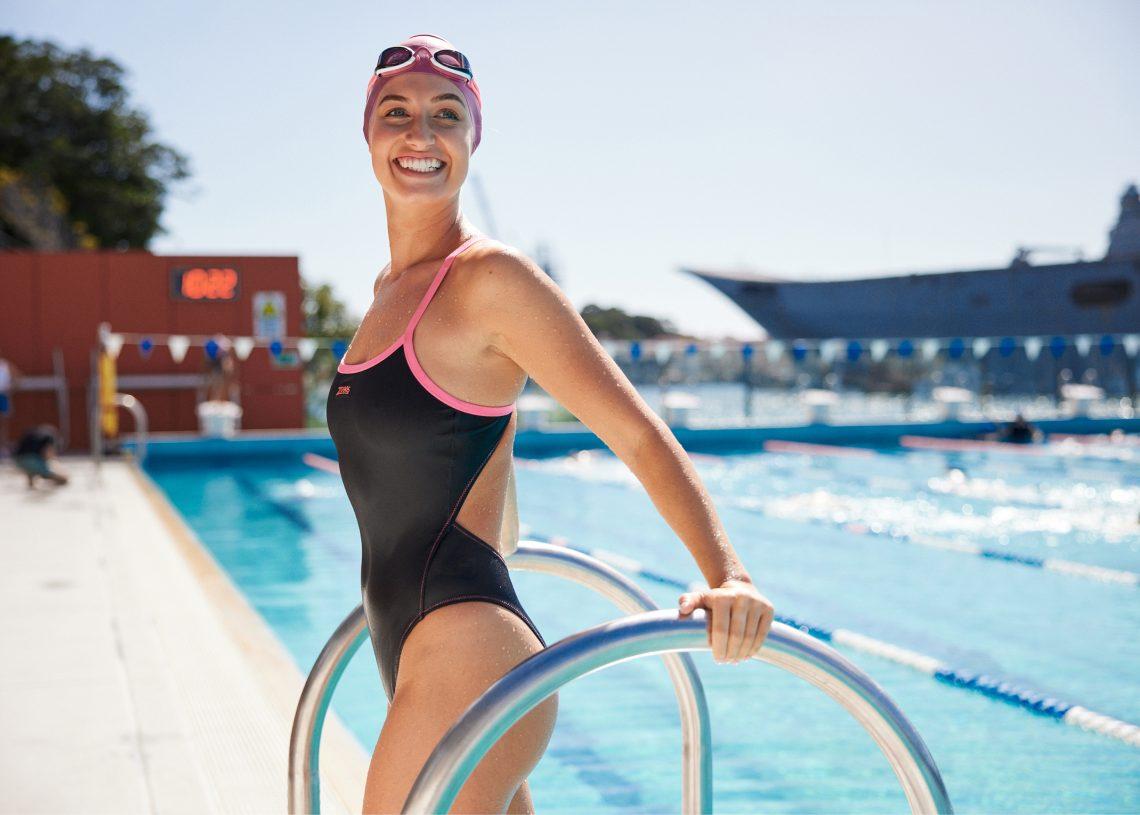
When you’re swimming, it’s your back, shoulders and arms that are moving more than any other part of your body; this is where you need the most flexibility, where you don’t want to be inhibited in any way. You need plenty of freedom of motion, which is why we create suits that cut through the shoulder blades so that your shoulders are free to move. Another major factor is bust support. Having a supportive back gives you better bust support and security. If you do your job right, you want people to forget they’re even wearing a swimsuit.
Please can you tell us about some of the most supportive back styles?
If you want bust support in a swimsuit, you’re going to go for something that’s a little higher at the back. For ultimate support, try a scoop back. While it might not immediately feel like a sports style, the thing about a scoop back is that it sits very high on the back, so it provides support all the way around the body. For a bigger busted person, a high backed style is going to give you maximum support.
Does the high level of support compromise on flexibility and performance in the water?
Yes, to some extent. The interesting thing is, it changes how you feel in the water. Generally speaking, what swimmers love about the typical thin strap suits with a back cut out is the feeling of water on their skin. So the more coverage you have, the more you lose that feeling; it’s a trade off.
Which back styles are best for intensive pool training?
Intensive training means spending extended time in the water, so my recommendation would always be something with a thin strap. The reason being that a thicker strap can chafe your neck, whereas a thin strap tends to stay in one place.
Can you tell us more about the difference between slim and wider straps?
It very much comes down to personal choice. Generally speaking, people with fuller busts or larger bodies might prefer the extra support of a wider strap as it redistributes the tension, especially if the swimsuit also has a shelf bra. With a thin strap, a heavier bust will be putting pressure on the shoulders. It’s more about how you feel, though; I wear both.
What’s the effect of the cut out part on the lower back?
Ultimately, the lower back cut out is designed for two things. The first thing is for longer bodies; if there’s a back hole, the swimsuit can stretch more. Take the sonic back, for instance, which has a completely solid back – try that with a long torso and the material will sit away from the small of the back. The cut out gives you that bit of extra maneuverability. The second thing with the back cut out is that it gives people the feeling of water on their skin.
Is there anything else to consider when choosing a back style?
It’s really about identifying what you want from your swimsuit. Is this a training suit or something you want to take on holiday with you? Are you a mum who doesn’t want straps that can be pulled off? Have you just had a baby and need more bust support? It’s all about working out what you need and what you want.
What’s the best swimsuit back style for me?
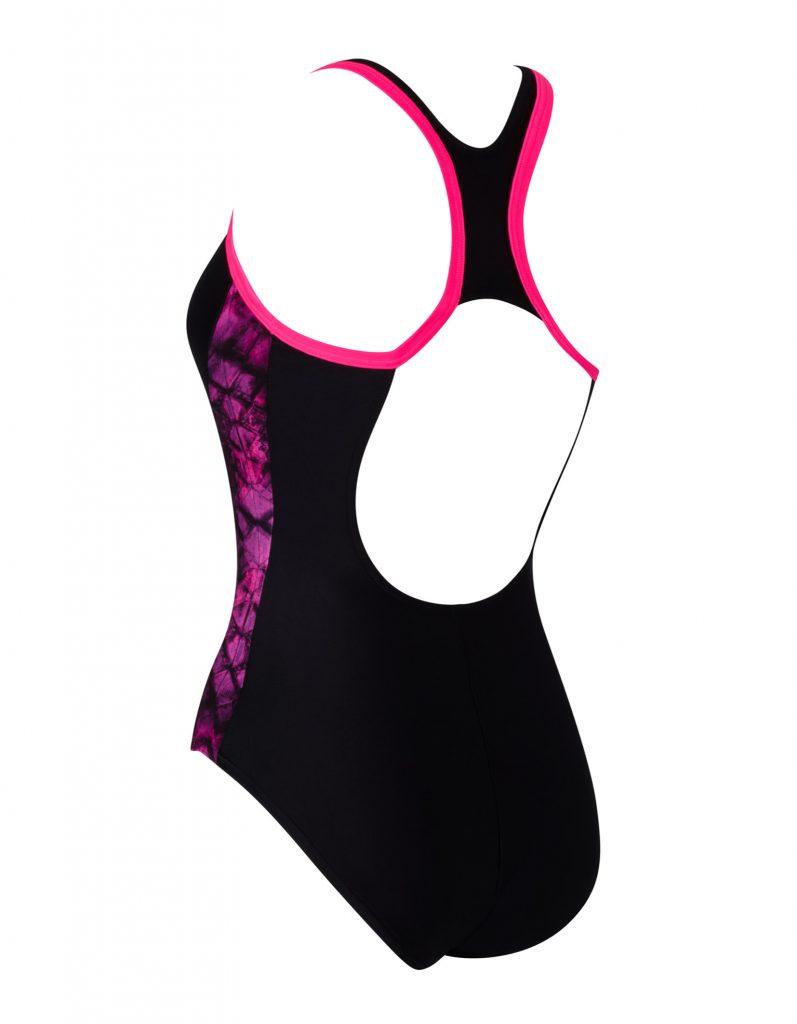
Atom back
A hybrid between a thin and a thick strap, the atom back provides the optimal blend of freedom of movement and support, making it a popular choice for club swimmers. The back style goes through the shoulder blades, allowing plenty of movement.
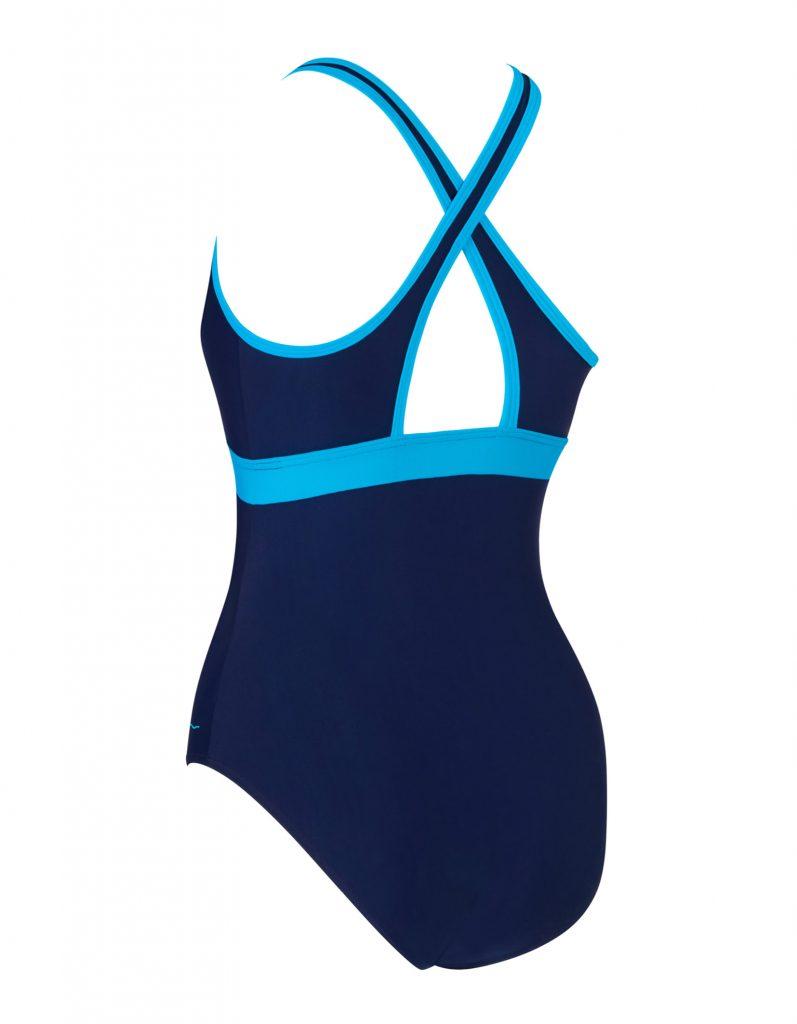
Cross back
The cross back has a high front with fixed cups for support and cross back straps for added support. It has the security of straps that won’t fall off your shoulders, while also being very easy to get on, so it’s a great option for larger bodies.
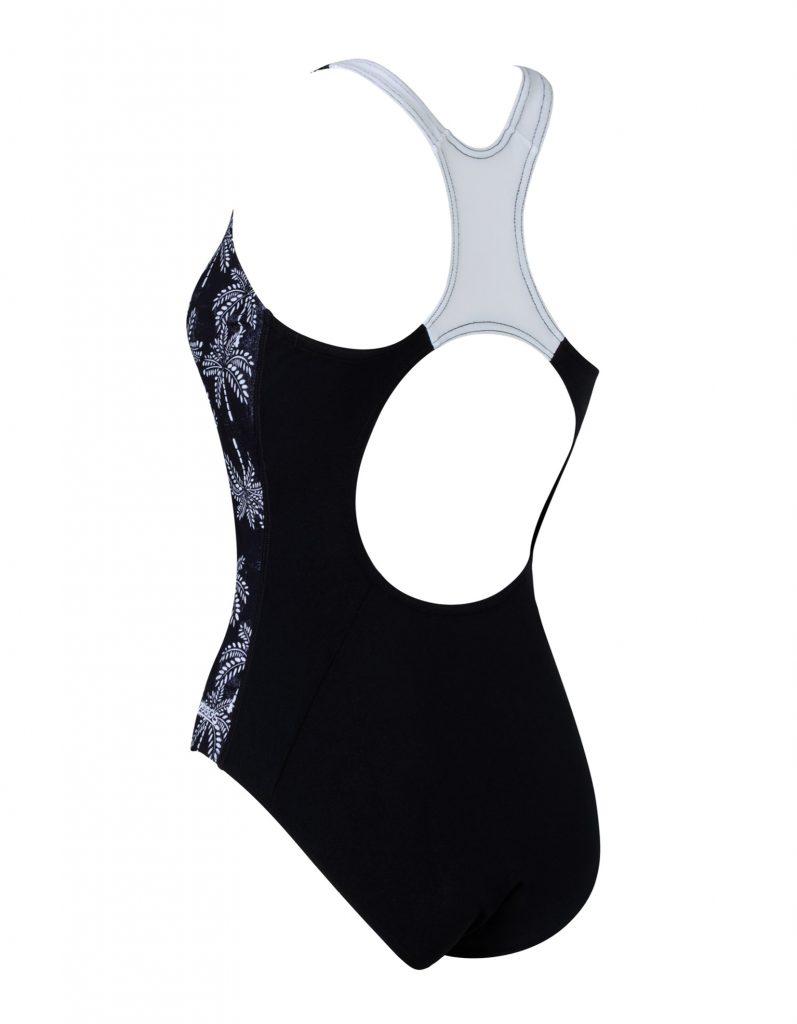
Power back
With its wide straps, medium leg and shelf bra, the power back is an ideal training suit, providing enhanced shoulder mobility. This is like your little black dress; you should always have a power back in your drawer.
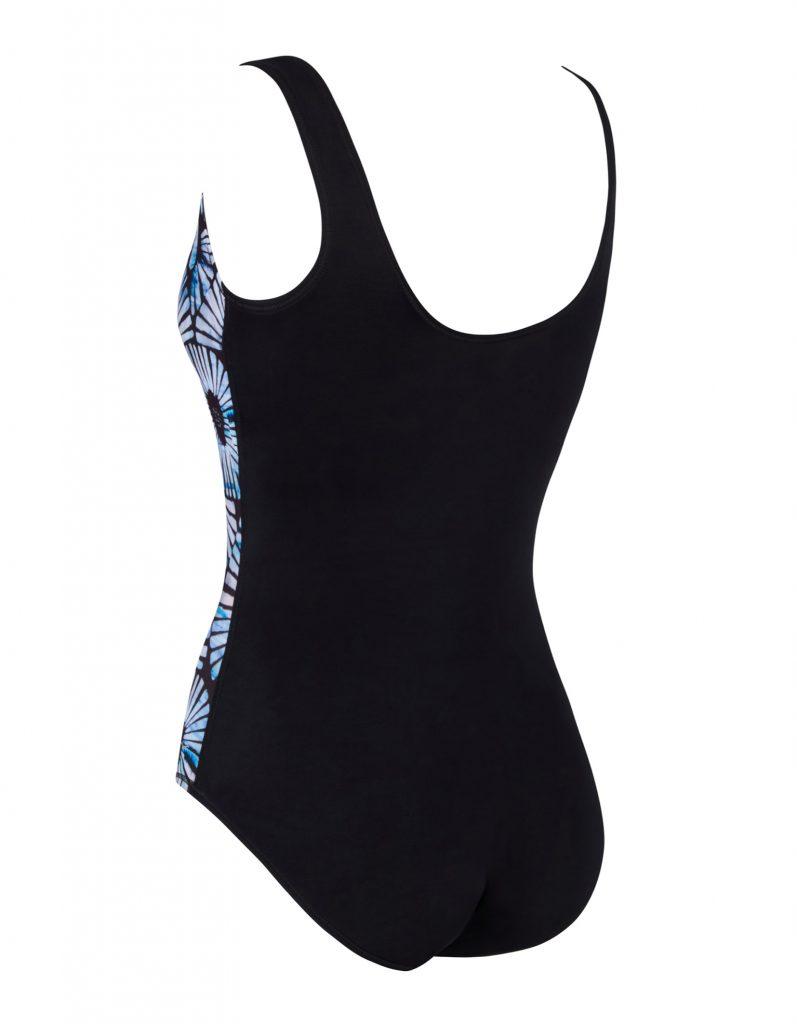
Scoop back
Offering bust support with a timeless aesthetic, the scoop back provides a wide range of motion for the shoulders and arms, while the wider back simplifies changing. It often features built-in shelf bras or an elastic underband.
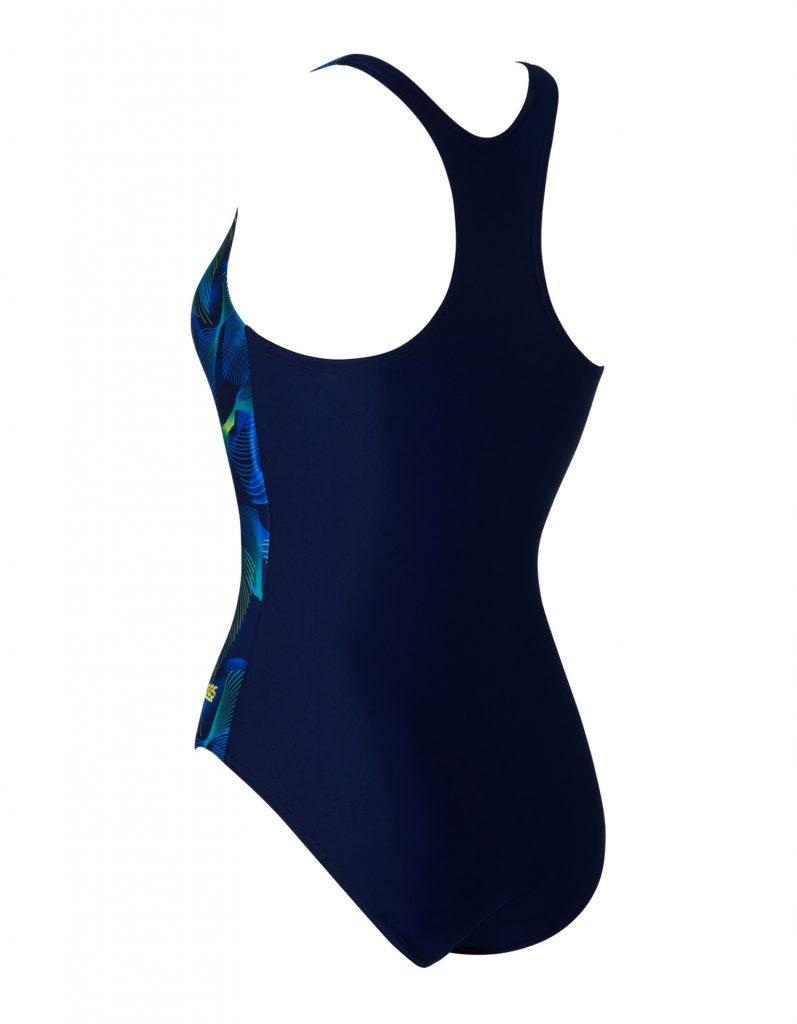
Sonic back
The sonic back has a closed lower back design while still sitting between the shoulder blades. It balances flexibility and freedom of movement in the shoulder blades, while the lower back provides coverage.
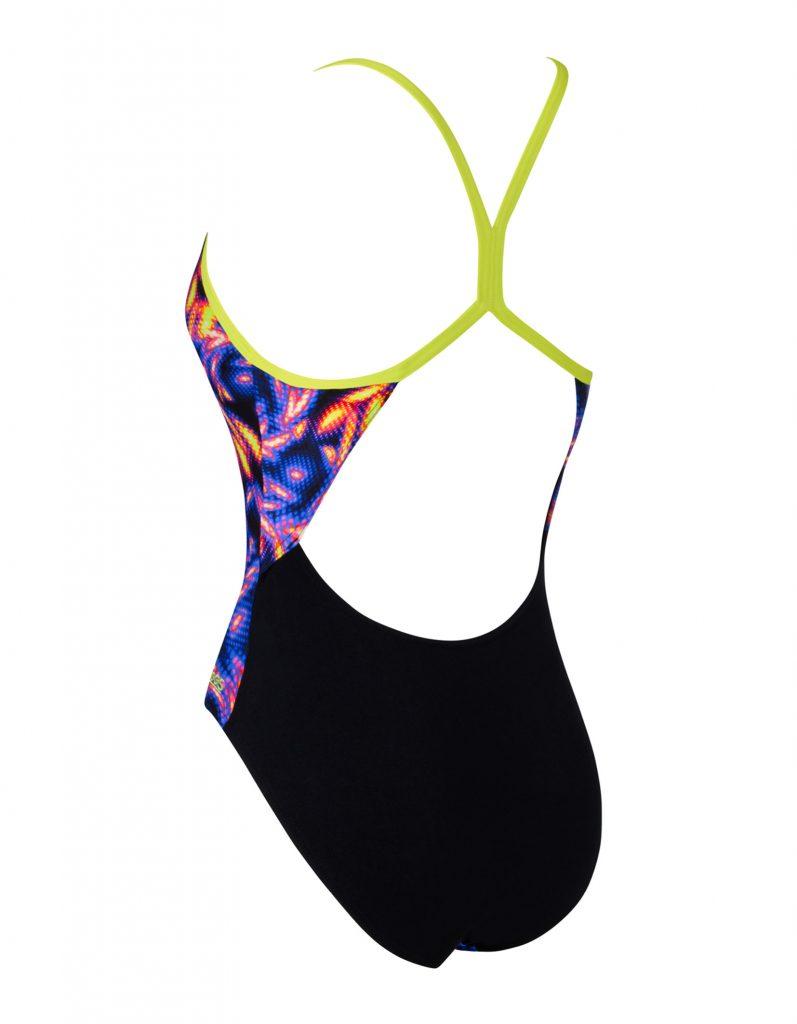
Sprint back
A great training suit with thin straps, a medium high leg and a nice cut out at the back, the sprint back provides maximum freedom of movement in the shoulders and back, which is crucial for efficient stroke mechanics.
Find out more about Zoggs support levels. This is not a sponsored post, but if you buy a product through a link on this page we may receive a commission.

Jo Tinsley
Jo is the Gear Editor for Outdoor Swimmer and also writes news and features for the website. A keen open water swimmer and long-distance walker, she loves seeking out lakes and lidos close to her home in the Mendip Hills, Somerset. She is the author of The Slow Traveller, editor and founder of independent magazine, Ernest, and has previously tested outdoor clothing and kit for BBC Countryfile Magazine, BBC Focus and Ernest Journal.