

Boost your strength and mobility for better movement
Make 2026 the year you move better – understanding the link between strength and mobility, says personal trainer Liz Lowe
What does good movement mean to you? Maybe it’s performance related, or perhaps waking up without feeling stiff, moving with ease and enjoying the activities you love pain free. Sounds simple, but often this isn’t the norm.
So, to feel better in your body, where do you start?
Generally, if experiencing restrictions or tightness, working on mobility will be beneficial. If you lack control and stability in an area, then strengthening the surrounding muscles can help.
It’s important to note that feeling ‘tightness’ doesn’t always indicate a flexibility issue and can be related to muscular weakness or motor control. Strength and mobility are closely linked and, in some cases, strengthening muscles could be the missing piece to your mobility.
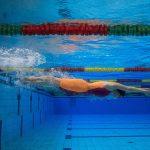
Take the breaststroke kick – if there is tightness and limited range of motion here, then working on hip mobility may help. If the kick lacks power, then try exercises to boost strength in the quads, glutes, hamstrings and calves. Improvements in strength and mobility often feed into each other – better hip rotation will facilitate a more powerful kick, and strengthening the deep hip external rotators can help improve control and usable range of motion.
It’s not uncommon for both mobility and strength to be lacking, and many exercises can be adapted to address both. For example, a single-leg deadlift can be performed without weight to focus on hamstring flexibility, or with a dumbbell or kettlebell to build strength in hamstrings and glutes, while still aiding mobility.
A key thing to remember is that the body is an interconnected structure, so tight or weak muscles in one area can lead to restrictions or compensations in another. This means the area with pain or limitation may not be the area that needs addressing. For example, tight hips can contribute to low back or knee pain.
How well we breathe affects how well we move, influencing posture, core stability, and the function of the hip and shoulder joints – both essential for swimming. Just a few minutes a day of slow, deep breathing can bring mental calm while also providing physical benefits. Placing your hands on the rib cage or belly to feel the breath expand can help identify any areas of restriction.
Pain-free movement requires a multifaceted approach and – while it isn’t as simple as stretching the bits that feel tight – nailing the foundations can really help. Begin with effective breathing, moving joints through their full range of motion and building strength where it’s needed. Progress steadily. Your body will thank you.

Outdoor Swimmer
Outdoor Swimmer is the magazine for outdoor swimmers by outdoor swimmers. We write about fabulous wild swimming locations, amazing swim challenges, swim training advice and swimming gear reviews.