
How can I train to swim long distance front crawl?
British freestyle swimmer and open water coach Cassie Patten has advice for a 79-year-old swimmer training to swim the Henley 5K
“I’m 79, usually fit. Just recovering from a nasty bout of bronchitis, two months now. Nothing left in the tank. I have swum the Henley mile for the past two years, breaststroke, just under an hour. Thought I’d up my game (and ego) this year and have signed up for Henley 5K. After a very short swim this morning the task seems a bit remote, but I’m determined. I want to do the distance front crawl, any advice?”
I really hope you’re feeling better from your bronchitis, it can have a prolonged effect on your lungs, please do not panic!
I love it when people set themselves a challenge, and it is incredibly normal to feel some apprehension upon starting training for a longer event. The fact that you have already swam the Henley mile sets you is great and is a great springboard to step up to a 5K. I would love to assist you in setting some realistic goals and targets to change from swimming breaststroke to front crawl.
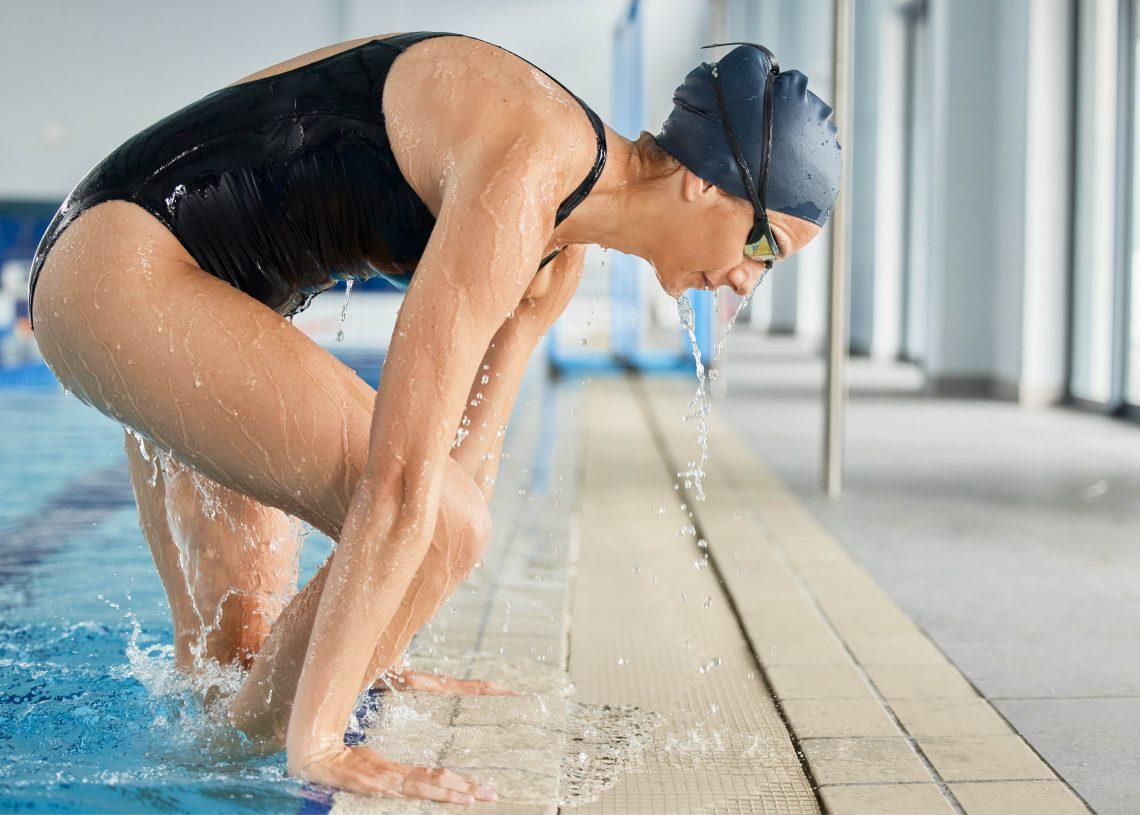
Have you ever had any technique lessons? I recommend you try and invest in a couple. A good swimming coach will give you some clear and concise technique pointers to make you more efficient as well as assessing your breathing technique. One of the biggest differences between breaststroke and front crawl is the lack of accessibility to oxygen when your face is in the water. A lot of people don’t realise how quickly you can go into oxygen debt if you’re breathing technique is slightly inefficient. Please see the image (right) on a couple of tips on how to correct your head and breathing to set you up for a successful front crawl.
If you haven’t swam a lot of front crawl before, it is important to gradually introduce it into your training. For example, if you have been training 1000m and the majority has been swum breaststroke, for the first couple of weeks, every one in four lengths should be swam front crawl and the rest continued with breaststroke. After that becomes more manageable make it 50m front crawl, 50m breaststroke. Keep increasing the increments every couple of weeks until crawl becomes easier and more manageable.
The way you train is important; a lot of people go to their local pool or lake and just swim up and down. That is fantastic for mental health and building a baseline of fitness, however, if you want to move to the next level, it is important to include interval training and more endurance-based workouts to your schedule. I know this sounds slightly daunting at first, but there’s lots of information out there including on my website wavecrestswimming.com and outdoorswimmer.com which breaks down how to approach training sessions.
Cassie Patten is a British freestyle swimmer and Head Coach at Wavecrest Swimming. Cassie won bronze in the 10km open-water event at the 2008 Beijing Olympics.

Outdoor Swimmer
Outdoor Swimmer is the magazine for outdoor swimmers by outdoor swimmers. We write about fabulous wild swimming locations, amazing swim challenges, swim training advice and swimming gear reviews.