How can I avoid cramp when swimming in deep water?
British freestyle swimmer and open water coach Cassie Patten has advice for avoiding cramps when swimming in open water and staying safe
“I had a terrible experience with a body crunching cramp in my calf in deep water. I needed two people to help me. If I had been swimming alone, I don’t know what I would have done. Since then, I notice I get cramp after swimming for an hour or more. I can’t find a way to get rid of it. I have tried diet, supplements, sport drinks, yoga, rest, massage! I have huge anxiety around long-distance swimming but I want to do a 6.5k event this year, so I need to tackle it. When training I find myself not swimming the big 1k loop at the lake or prefer rivers as I can put my feet down at the edge quicker to stretch if needed. It means I can’t get into a flow-state of training and I give up without training properly. How can I overcome this?”
Cramp is the worst, it is such a debilitating pain and can come out of nowhere. My first advice is to make sure you always are swimming in an environment that is safe and lifeguarded, I know you had some fellow swimmers around you to assist in stretching out your leg, but we want you to be safe.
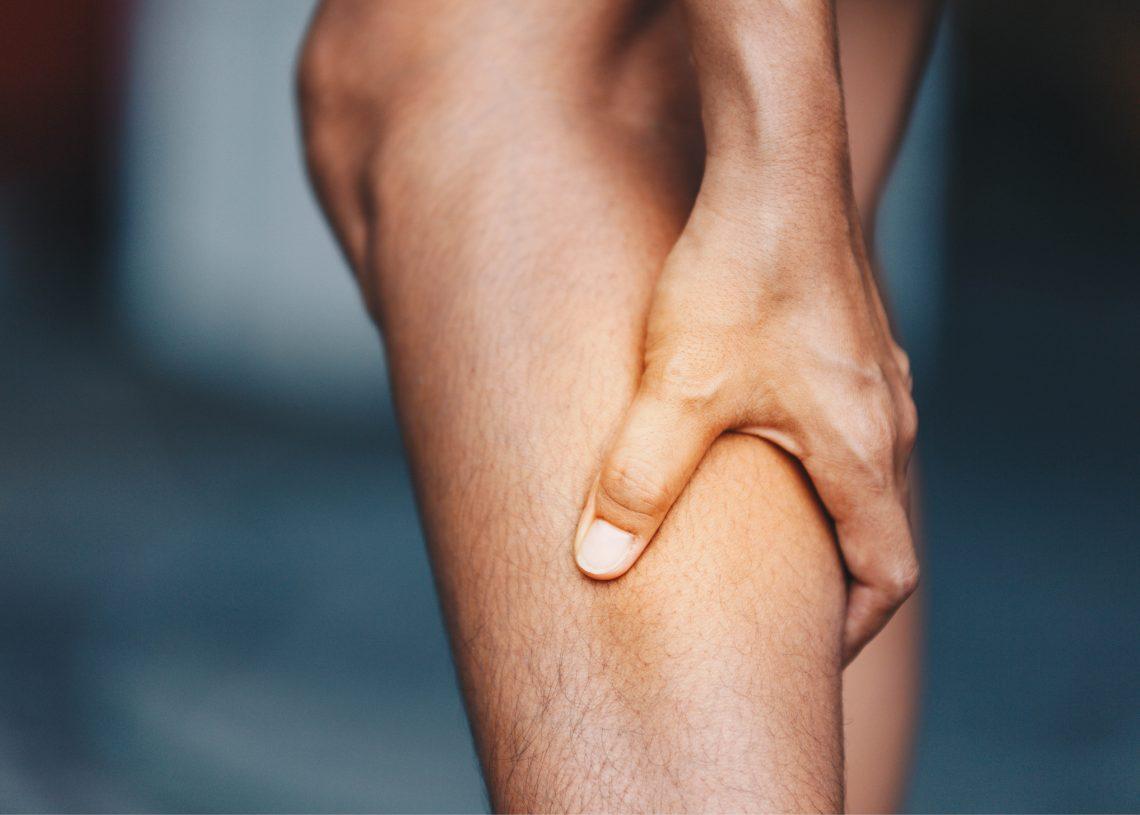
Let’s talk about the biomechanics of cramp. For those of you that have never felt it is a short, sharp muscle spasm which can occur in the foot or calf. It can be incredibly painful but does release with stretching. Cramp can occur when the muscle is fatigued and has been overused, a common cause of cramp can be dehydration or a deficiency in electrolytes of the blood.
Another cause of cramp convey is the muscle is particularly tight from other forms of exercise or a strenuous previous swim. I coach a triathlon team and I can always tell when they have been doing hard interval training the day before, as several of them will suffer cramp during my training session, especially during a kick set.
You have mentioned you have been working hard to prevent cramp, by staying hydrated and stretching, as it is vital to maintain flexibility in your foot and calf to help alleviate cramp. Are you warming up well before you swim? If not try and factor in a five-minute warmup where you walk on the spot, do some gentle calf raises as well as mobilisations through the legs can help.
My next piece of advice would be to assess your kick efficiency. If you are over kicking or have too much stress at the knee which is pulling on the muscles in your leg, you will be fatiguing quickly which can be the main cause of cramp. My top tip is to think about using your legs as balance, rather than for propulsion. The kick needs to be from the hips and glutes rather than from the knee and hamstring. Watch the video linked below for my top tips on how to kick efficiently. If you are unsure whether your kick needs adjusting please do speak to a local coach or alternatively you could send me a video of your kick and I can analyse it for you.
Try not to become focused on whether or not you’re going to get cramp. The more you think about it the more it will be in your consciousness, I feel like from what you said the cramp is being caused by a combination of an inefficient kick and fatigue due to overuse. Please do seek out a coach and work on the efficiency of your leg kick and fingers crossed that cramp will be a thing of the past.
Cassie Patten is a British freestyle swimmer and Head Coach at Wavecrest Swimming. Cassie won bronze in the 10km open-water event at the 2008 Beijing Olympics.

Outdoor Swimmer
Outdoor Swimmer is the magazine for outdoor swimmers by outdoor swimmers. We write about fabulous wild swimming locations, amazing swim challenges, swim training advice and swimming gear reviews.