Windermere hosts UK’s biggest gathering of outdoor swimming researchers
From jellyfish to sewage, Windermere played host to the year’s sharpest thinking on the water we swim in
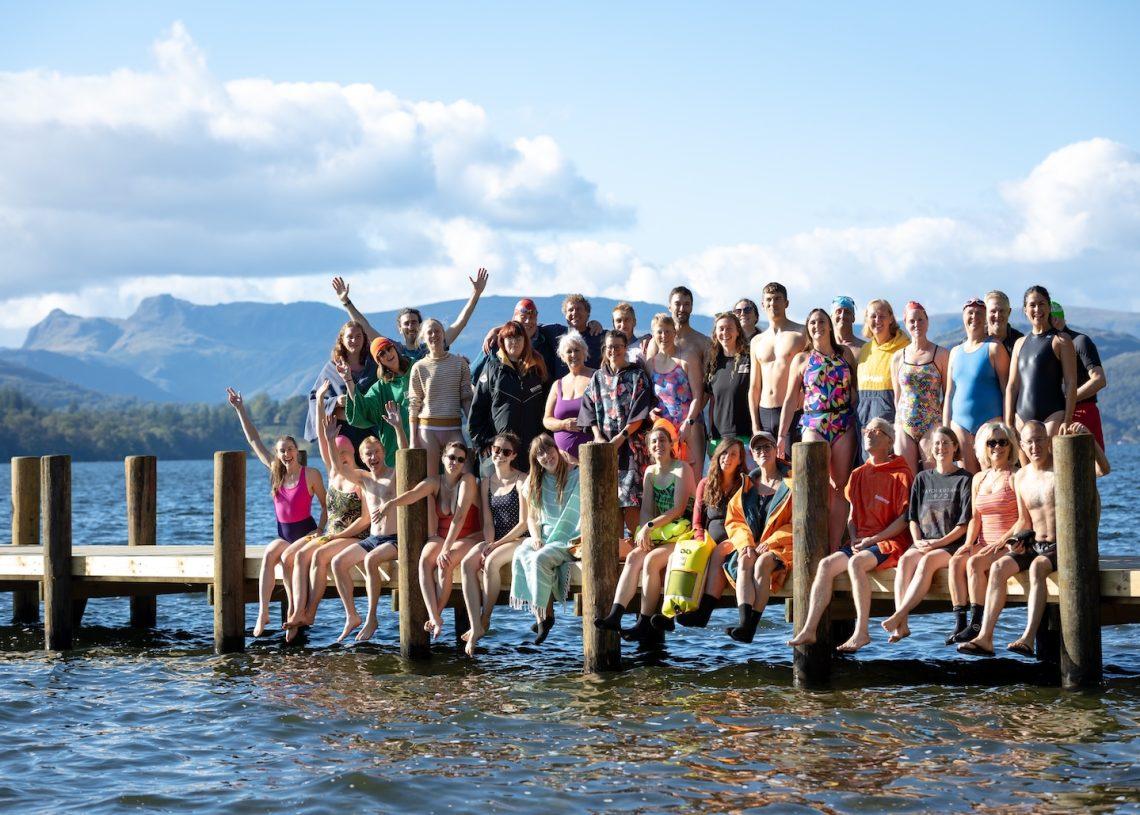
Fifty researchers, coaches and campaigners gathered at Windermere Jetty Museum last month for the Outdoor Swimming Research Forum 2026, led by University of Exeter Academic Taylor Butler-Eldridge. Over 24 talks, the event tackled the questions swimmers ask most: is the water safe, who gets to swim, and how is it all changing?
Water quality dominated day two. Bangor University’s Kate Herridge presented new modelling on norovirus in recreational waters, with infection risk estimates ranging as high as 50% at some sites, a sobering reminder that “safe” advisory readings don’t tell the whole story. Heather Moorhouse of the UK Centre for Ecology and Hydrology shared eighty years of Windermere monitoring data, showing average lake temperatures now over 1.3°C warmer than when records began, a shift that raises the risk of blue-green algae blooms. The Love Windermere Partnership updated delegates on their 33-point action plan to tackle sewage, land management and public information around the lake.
How all this gets reported matters, too. Sylvia Hayes from the University of Exeter presented findings from an analysis of over 19,000 UK news articles on outdoor swimming published between 2019 and 2025. The coverage of pollution, responsibility and who’s accountable for it turned out to be far more varied and contested than swimmers might assume from any single headline, a useful reminder to read beyond the alarming ones.
Access issues, often invisible to swimmers who already have it, came up again and again. Lewis Winks from Right to Roam looked at the tangled property rights that decide who can legally get in the water on rivers like the Dart. Reid Allen’s research at Shadwell Basin, an ex-dock in East London where swimming is technically banned, examined why swimmers locked out of paywalled sites are choosing to trespass instead. Deborah Aydon of Future Lidos cited research showing the top three barriers to outdoor swimming are cold, pollution worries and lack of confidence, and pointed to lidos as an affordable, joyful way in.
There was also the stranger side of sharing the water. Miriam Snellgrove’s ethnographic work looked at why jellyfish provoke such disgust among swimmers, arguing that our reactions say more about what we expect from “clean” nature than about jellyfish. Newcastle’s Clifton Evers explored how smell shapes swimmers’ relationships with polluted coastlines, describing the sophisticated ways regular sea users have learned to read water quality through their nose.
On the campaigning front, Surfers Against Sewage set out their priorities ahead of the government’s Clean Water Bill, while Amber Keegan spoke about her 200km non-stop relay swim from the Thames source to Westminster, which paired real-time water testing with direct policy engagement, proof that swimmers’ own data can shift the conversation.
A full report and recordings of all 24 talks will be available on the Swimdermere YouTube channel and at outdoorswimmingresearch.com from the end of October.

Outdoor Swimmer
Outdoor Swimmer is the magazine for outdoor swimmers by outdoor swimmers. We write about fabulous wild swimming locations, amazing swim challenges, swim training advice and swimming gear reviews.