COACH,  EXTRA,  FEATURES,  July/August 2026,  Premium,  Top Tips

Can technology make you a better open water swimmer?

Register to get 3 free articles

No spam Unsubscribe anytime

Want unlimited access? View Plans

Already have an account? Sign in

How can we marry up the wildness of open water swimming with technology?

The technological age we live in can often seem at odds with the sport of open water swimming. On the one hand, you have the might of humanity’s intelligence building over thousands of years through advancements and collaboration to bring you the wonders of modern day technology; and on the other hand you have bodies of water set in nature which – unless altered by us – would be there regardless of our involvement, some existing for millions of years, shaping the lands we walk upon.

So how can the two marry up?

How do we, as open water swimmers with our goals and determination to achieve incredible feats, embrace nature and all her wonders whilst also utilising the work of humankind?

Through my career there are many ways in which I saw the digital age transform the sport, and even after my retirement I love to see how people are using technology to improve in the water. Here are my highlights and how you can use them to improve your challenge swims.

Cameras and underwater filming

If you are camera shy I’d encourage you to find a way past it in order to help out your swimming technique. During the height of my career I would spend roughly 30min a week using the camera system at Loughborough University. This consists of over-head, side on and underwater cameras, which capture your stroke in detail. It is very easy to fall into bad habits with swimming given the fact that it is so repetitive, especially for long distance events so it is worthwhile investing time into working out how to improve your stroke.

Filming your swims can help you improve your stroke

For example, there are numerous coaching facilities up and down the country with endless pools rigged with cameras. Individual sessions are run where you can take home before and after videos to remind yourself what to work on. However, if this is a bit pricy for you or you have attended one of these sessions and want to keep on top of the progress you made, get creative with what you already have.

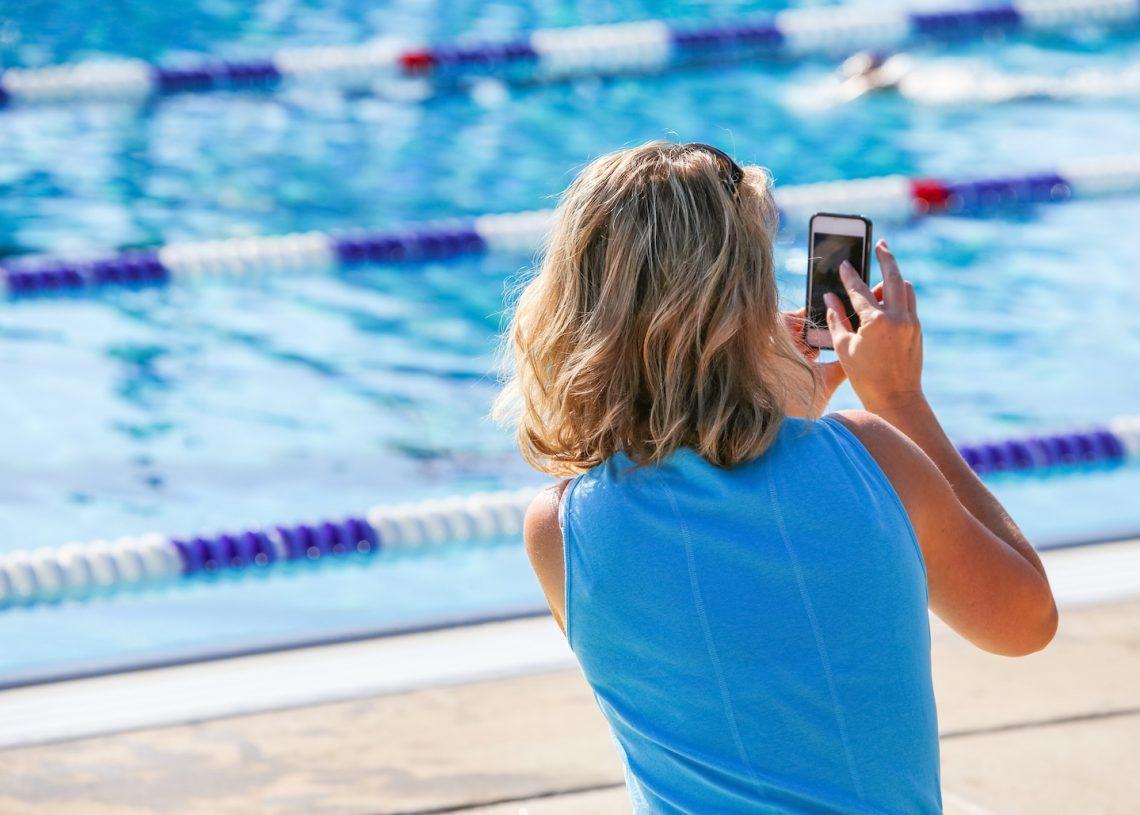
Waterproof camera cases are readily available online and you can ask a teammate to film you (good hypoxic work for them). Or even simpler, ask a teammate to film you from poolside.

LLMS (Large Language Model) – in other words Chat GPT, Claude, etc

This is an area of controversy given the ease at which people can access information – especially in a sport that already has few paid roles for coaches. However, many of us turn to LLMs for a lot of knowledge and guidance. I would say that this is a good place to start.

For instance, if you are looking to take on a new swim and you are unsure on information it can provide some clarity. However, always check the sources it pulls from and I would advise caution in asking AI to build a swimming program as the humanity behind the work has ultimately been stripped away. I do know of Olympic swimmers who are creating their own LLM and putting their knowledge into that so we may have something unique to the sport in this space coming soon.

Alice grew up using old fashioned log books for her training

Phone apps

I’m sure that most of us probably spend more time on our phones than we would like, however, I do encourage you to check out the range of swim coaching apps that are available. I’d particularly recommend Catch, an app dedicated to swim coaching with video lessons, drills and a personalised training plan set towards your goals and experience.

What is refreshing about Catch is that it is catered towards open water swimmers, meaning that it’ll account for the high demands of our sport.

As a final note, Strava is of course the Holy Grail of sporting apps, which can be really helpful at logging progress and gaining inspiration. Just don’t get too wrapped up in other’s swims on there. I only found out recently that people press ‘lap’ at the end of their rep to keep their average 100m time down – I didn’t know it was that serious!

Keep it traditional

One thing that age group swimmers are brought up on is writing logbooks. In these I would write the session, my times (as many I could remember), my physical state and mental state. This is useful when approaching your goal, especially for those who are prone to overthinking or doubting your preparation. Whilst we would do these on paper in a book, there is nothing to stop you from using voice notes, video notes or diary writing apps. Keep a log of your journey in whatever way works for you. It’s beautiful to look back on one day.

In short, we have many different ways of using digital resources to improve our swimming. And as I always say, your journey is your own. Take inspiration from those around you but find what works for you.

Stay up to date with The Dip, our free weekly outdoor swimming newsletter.

Outdoor Swimmer is the magazine for outdoor swimmers by outdoor swimmers. We write about fabulous wild swimming locations, amazing swim challenges, swim training advice and swimming gear reviews.