
Breaking new waters
From first dip to swimming dreams, how do we develop as swimmers? Rowan Clarke finds out.
There’s much discussion about how outdoor swimming has grown over the years. That growth has been measured and reported, but the stats don’t give us the full picture.
Within that growth, there are fascinating stories that show how much we’ve changed as swimmers. Not just the tales of incredible swimming feats, but everyday stories of ordinary swimmers who’ve created, battled, defeated, developed, thrived and conquered in all manner of ways. Their stories are the colour in the bigger picture, showing that outdoor swimming is a unique activity for personal growth. We meet some of them and find out why.
Unlikely heroes
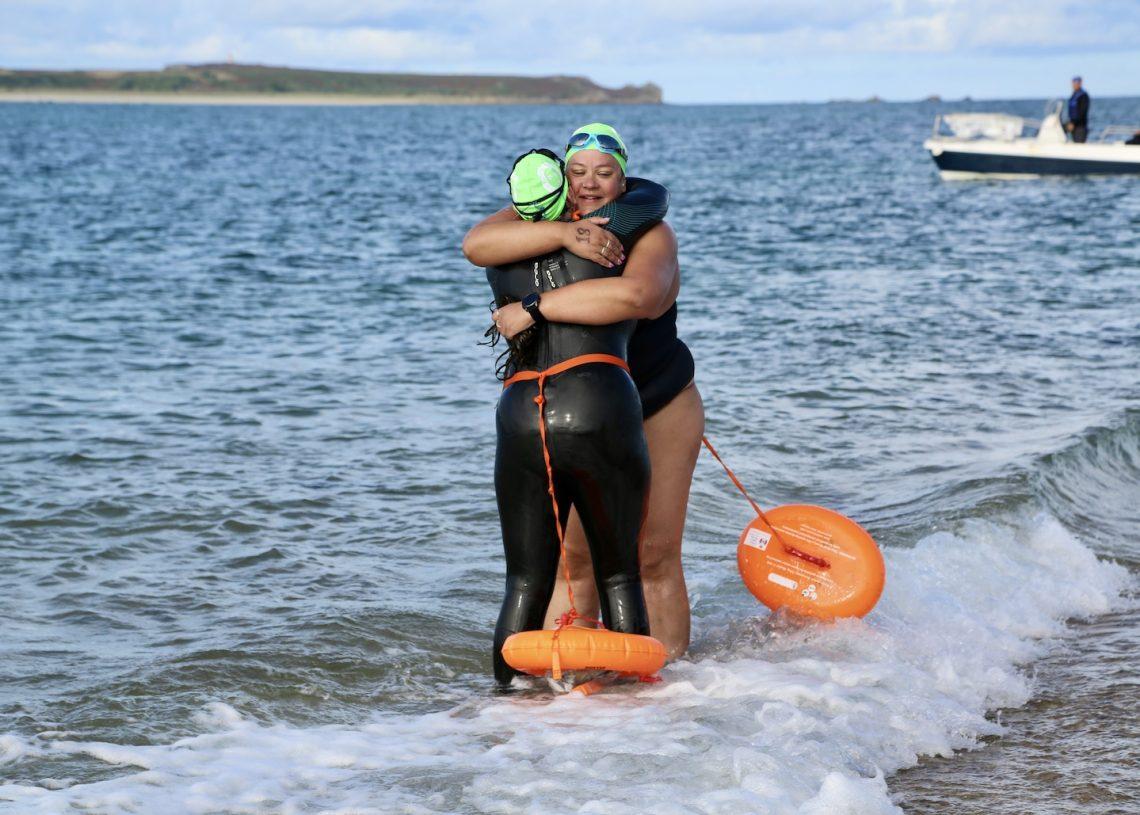
Outdoor swimming events are a great place to uncover such stories. Take Level Water’s Wild Swim Relay at Shepperton, for example. Our columnist Sophie Etheridge, whose work to improve access to outdoor swimming has been nothing short of heroic, swam with 11-year-old Oona, a wheelchair user with a contagiously joyful spirit (read Sophie’s column in issue 99). A woman called Helen swam for the entire 24-hours despite being on the waitlist for knee replacements, and we met Ella, nailing her hour-long swims despite not being able to swim 100 metres a year earlier.
“I started outdoor swimming in spring 2024 via the NHS study ‘Outside2’ that aimed to investigate whether cold water swimming helped reduce symptoms of depression and anxiety,” says Ella, who can now swim two miles. “After eight guided sessions, I was absolutely hooked. Outdoor swimming has been the best coping mechanism I could have ever possibly imagined and I have made so many wonderful friends along the way.”
It’s widespread phenomenon. Outdoor swimming seems to be a vehicle for metamorphosis, an activity through which anyone can rise up and become the protagonist in their own story, often for the first time in their lives.
This isn’t hyperbole. Among the documented benefits of outdoor swimming is personal growth. We gain physical skills, life skills like determination, cooperation and the ability to overcome fear, and mental strength through focus, discipline, achieving personal goals and mastering new skills in an inclusive environment.
Starting out
To understand this personal growth, let’s go back to the start of our outdoor swimming journeys.
The beauty of outdoor swimming is that there is no prescribed way to start. Training for fitness or because you’ve been injured out of another sport, dipping to try something new or to keep a friend company, being prescribed outdoor swimming for better mental health or wellbeing, joining a social group. With so many starting points, there are also many ways to grow.
Often times, that growth is unexpected. For example, triathlete and open water swimmer Lottie Watts has grown into a competitive swimmer and triathlete, but that’s a huge departure from why she started. “Lots of people ask me, have you always swum; did you swim as a child? I don’t always go into the story, but it couldn’t be further from the truth,” she says.
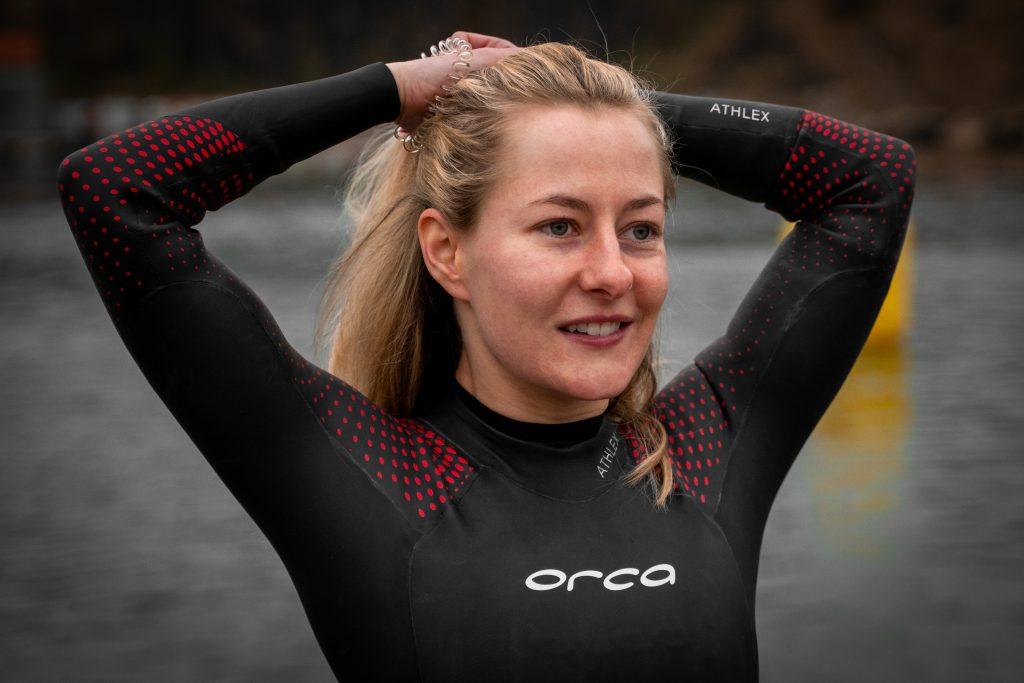
Lottie started swimming outdoors to help with Post Traumatic Stress Disorder (PTSD) after a tragic accident when she was 22. Lottie was swimming below a waterfall in Vietnam when floodgates further upstream opened, sending a rush of water over the waterfall. A woman on the bank tried to save Lottie, and in the process fell in and tragically drowned.
“What happened after that event was twofold. I realised that I was foolish for getting in the water without having any awareness of the surrounding area, but also that I wasn’t a strong swimmer at all,” says Lottie. “So, I could either let my fear of water and the PTSD take over my life and always be triggered by seeing water, or I could take positive action from that experience. I decided that the latter was the best course for my life to move forwards, and that I wanted to become a strong swimmer and never put anybody else at risk again.”
The rise of the coach
Key to Lottie’ transformative story is that she could find a coach to support her in the right way – she may be a triathlete now, but a triathlon coach wouldn’t have been able coach her through her abject fear of water.
“Through being coached open water swimming, I was able to understand breathwork, mindfulness, staying calm in the water and enjoying the whole experience to overcome the trigger of being near or in water, to the extent where I now hardly think about it,” she says. “When I started, I didn’t realise that I would learn to love swimming and that it would become a core part of my life.”
As the ways and reasons for people to get into the water grew, the calling for outdoor swimming professionals changed, too. Swimmers could find the right coach to support their personal goals.
“When we initially created the open water coaching qualification, there was a demand for it, but it came from triathletes. The qualification was very much based on improving strength and skills for open water swimming to compete,” says Kayle Brightwell, the STA’s Director of Education. “When we came to renew it in 2018, it was because so many more people were swimming for participation. So, we changed the qualification to make it more based on getting people safely into the water, acclimatisation, dipping, and supporting people to work towards their goals and enjoy the benefits of open water swimming.”
This also gave outdoor swimmers more opportunities to become coaches. Lottie’s coach was an outdoor swimmer who started swimming for better mental health herself, so she understood Lottie’s needs. This experience, says Kayle, is crucial.
“We make sure that people coming onto the course have open water swimming experience themselves. We then give you the skills break it down to support someone into the water,” she says. “The great thing about open water swimming is most people remember the first time they got in, and it makes it much more relatable when you are coaching someone new.”
Support to grow
Swimming outdoors doesn’t just inspire people to become open water coaches. From swimmer-founded brands to groups, guides, venues and events, many outdoor swimmers have gone on to create ways to help others into the water. They’ve helped recognise and overcome barriers or marginalisation, widening participation and opening up new opportunities for people to swim outdoors.
Having grown up swimming in the sea abroad on holiday, Kelly Smith, Founder of Black Tri Tribe, started cold water swimming in the UK about five years ago. Once she began, she was hooked and started taking part in triathlons, inspiring her to set up her own triathlon club.
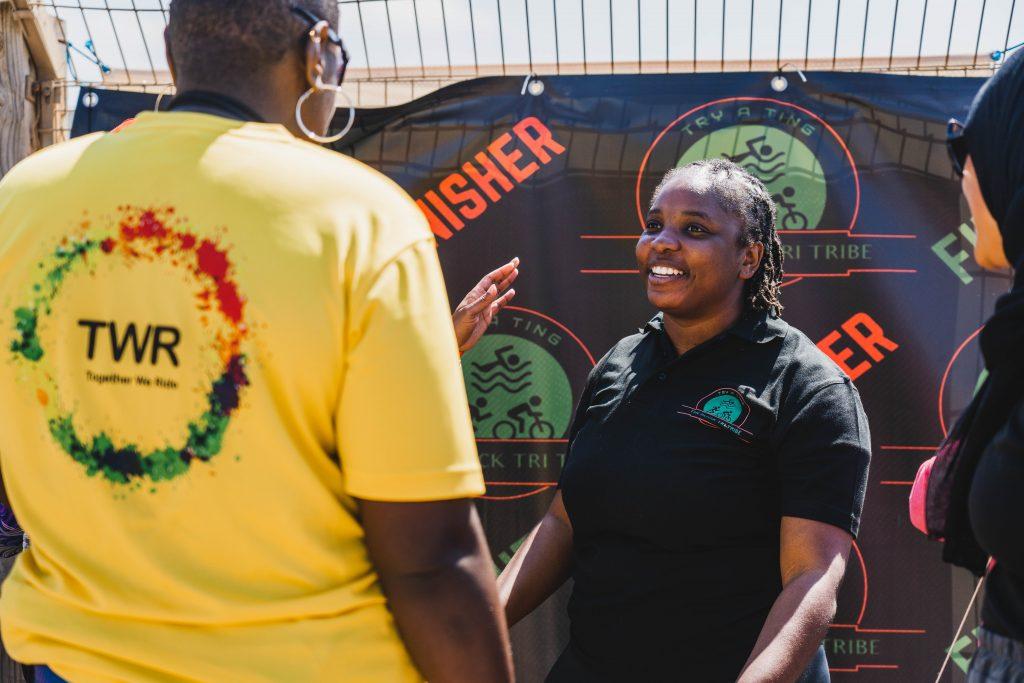
“I’d just started using Instagram, and people asked this thing was that I kept doing,” she says. “I noticed that there weren’t too many people that look like me, so I decided to start my own. I made it community informed, asking people what their barriers were, what they enjoyed, what they didn’t enjoy, and if they could make a triathlon event for them, what would it look like.” This support is crucial. Not only does it help people reach the start line of their outdoor swimming journey, but it also helps us grow as swimmers.
“I found that I really enjoyed races, I enjoyed the atmosphere, and I was proud of myself when I came out of those races, so I signed up to more races and became competitive with it,” says Lottie. “It’s strange, because looking back, if I remove the accident from my life, I would never have started. I’m proud that I stuck to it and persevered.”
Beyond our dreams
Lottie’s story also shows the power of outdoor swimming to help us at a point in our lives when we need it most.
Former competitive surfer Sophie Helleyer started cold water swimming for the health benefits as her surfing career wound down, becoming a coach just before the first lockdown. But it was post newmotherhood that she’d find a surprising new way to compete.
“I’m a pretty mediocre runner and a pretty mediocre swimmer, but when pairing the two together, it turns out I can do quite well at swim run,” she says. “I was looking for that little buzz of competition and I did my first swim run when my baby was six month old. I absolutely loved it, and now I do a few events every year.”
Daisy Rowell also surprised herself by doing well in a competitive environment after coming back to outdoor swimming as an adult. After dipping in the sea for a few years, she decided to try training for a swim event.
“I signed up for Swim Serpentine, and as a little taster, I entered a local event and that’s where I won first place in my category,” she says. “I was so convinced that I’d not be in with a shot that I left the event after my swim, completely missing the opportunity to get on the podium!”
In 2021, Coralie Datta swam the Scilly Swim challenge in two days, swimming breaststroke most of the way.
“At that event, I met two women who had swam the Channel. I was in awe of them,” she says. “I asked them lots of questions about it and still it felt like an impossible dream. Fast forward four years, I returned to the Scillies to complete the one day event in preparation for me to swim a solo of the Channel next year.”
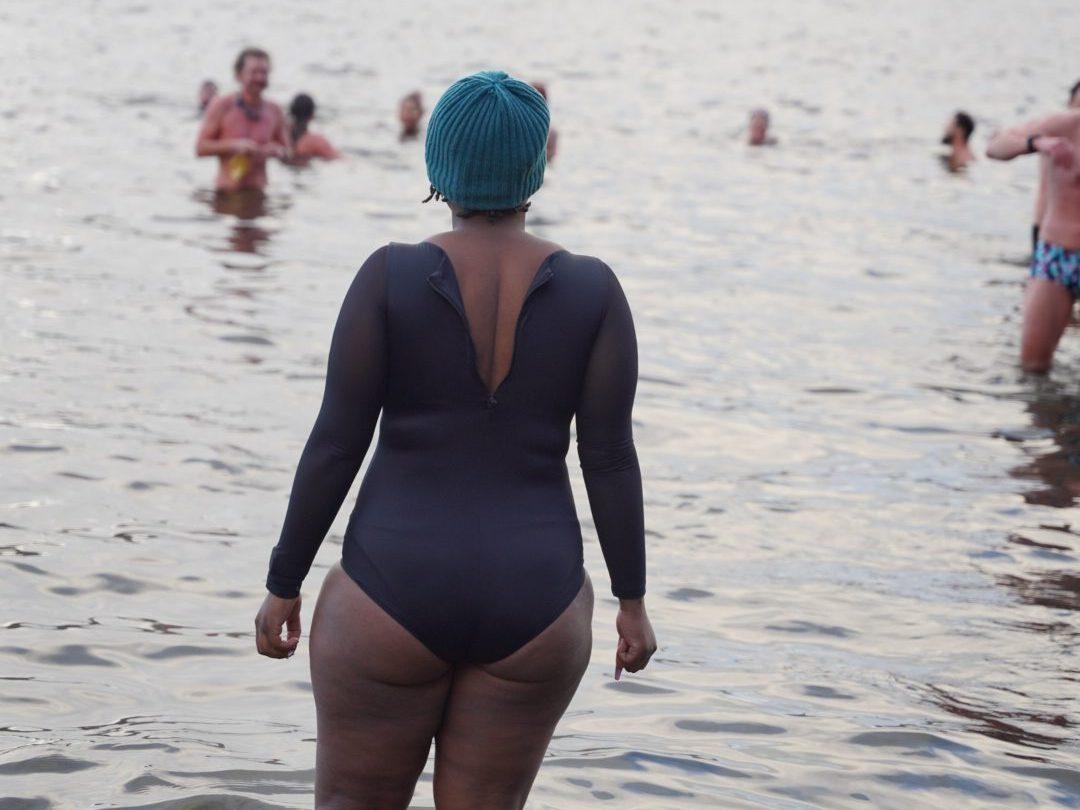
And Liz Rowe, who started outdoor swimming in 2015 by entering the Great North Swim, which she didn’t believe she’d be able to complete, now creates her own, personal challenges every year.
“After some chatting about this year’s challenge, I settled on Loch, Lake, Llyn – 5km in Loch Lomond, 5km in Ullswater, 5km in Llyn Padarn in 24 hours,” says Liz. “It was such a great 24 hours; the swims were all stunning and it was the travel from England to Wales which proved to be the most challenging – but, with 15 minutes to go, I exited the water at Llyn Padarn thinking… what next?”
And that is exactly what personal growth is about. Picking a goal, striving to meet it and then thinking, what’s next? In swimming outdoors, we face our fears head on, and in doing so, we learn resilience, we master new skills and our self-belief grows. We cooperate, play, learn from and with other people. We grow more confident and creative in how we swim.
You may have started as non-swimmer with a fear of open water, you may have had to overcome barriers to get where you are now, and your achievement could be that you dipped once every week this summer. Or you could have just swum the Channel. It doesn’t matter. The beauty is that we all have a story of personal growth. What’s yours?