EXTRA,  FEATURES,  July/August 2026,  Premium

A coast for all

Register to get 3 free articles

No spam Unsubscribe anytime

Want unlimited access? View Plans

Already have an account? Sign in

English Channel swimmer Sophie Etheridge reports on the biggest step forward for beach access and blue spaces for adaptative swimmers

For years I’ve campaigned for better accessibility in open water swimming. I’ve taken part in events across the UK, spoken at conferences and worked with coaches and teachers to help more disabled swimmers participate on equal terms. But recently, I witnessed what I believe is the biggest step forward yet – not just for beach access, but for access to all blue spaces.

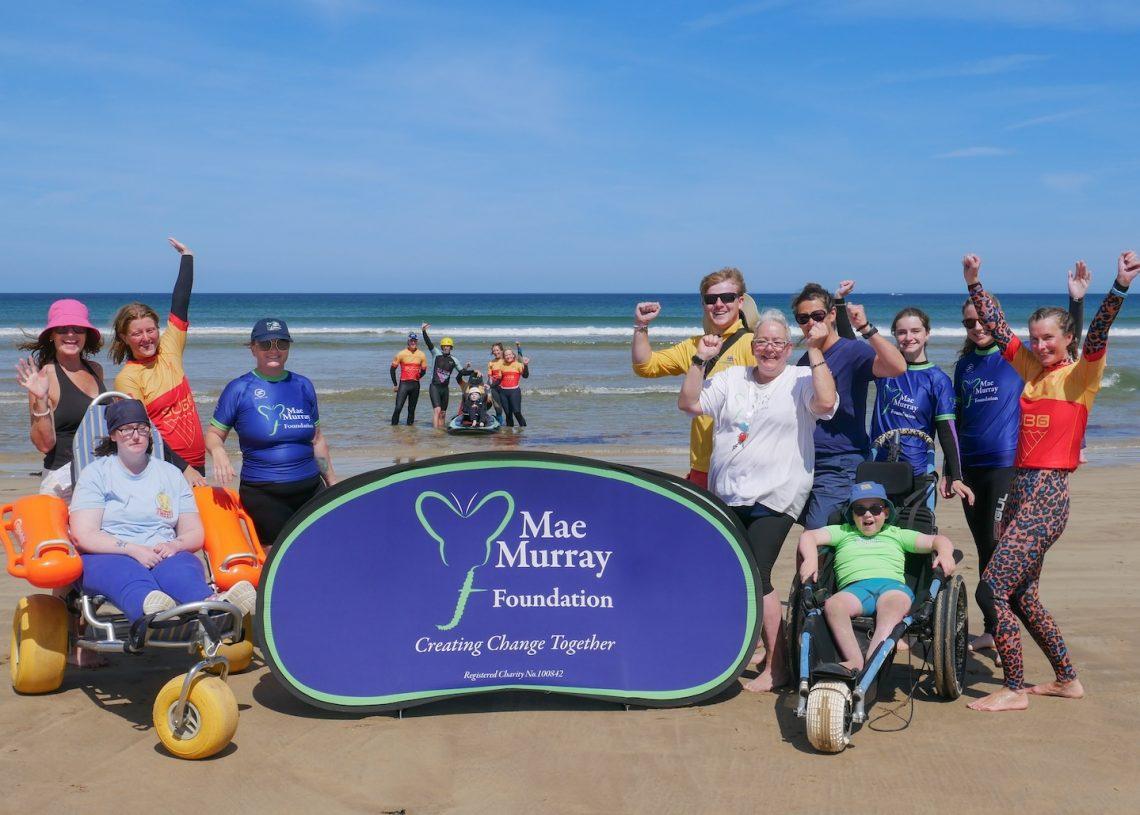
At the House of Commons, the Beach Access Project launched A Coast for All, the first national survey to combine lived experience, community knowledge and academic research to understand the barriers those with disabilities and medical conditions face at the coast and other blue spaces. Led by founder Will Behenna in collaboration with Sadie Rockliffe and Dr Catherine Kelly from the University of Brighton, the findings were presented to MPs, industry leaders and representatives from across the outdoor swimming community. Camilla Golledge and I were there on behalf of Outdoor Swimmer.

More than 1,000 people took part in the survey, including disabled swimmers, carers and individuals with on-going medical conditions from every corner of the UK. Most of us in the room expected the results to confirm what we already knew: that access is poor, inconsistent and often an afterthought. But even with those expectations, some of the findings were shocking.

The demand for access to blue spaces is overwhelming. 98% of disabled respondents want to visit beaches regularly, 85% want to reach the water and yet only 54% can get onto a beach at all – and just 23% can access the sea! Think about that. There are around 16.8 million disabled people in the UK, add to that those with medical conditions and the aging population and it would likely make up more than a quarter of the population. Fewer than a quarter of those individuals can reach the water.

Beaches are places of connection – for time with friends and family

For many participants, beaches and blue spaces are places of connection: time with friends and family, relaxation, recreation and improved wellbeing. Research such as the ongoing Outside2 Study is beginning to quantify what many of us already know; that blue spaces are good for our mental health and wellbeing. But the survey also revealed a familiar and painful pattern: many people can reach the car park, the promenade, even the pier…. but no further. They end up sitting metres from the water, watching others enjoy something they desperately want to experience.

I’ve been that person. I’ve sat listening to my friends laughing in the water while I stayed behind, not because I didn’t want to swim, but because the infrastructure simply wasn’t there to let me participate. It makes you feel like a second‑class citizen. You try to hide the hurt, but it stays with you.

When I travel to blue spaces, it’s usually with the intention of swimming. To be unable to join in, through no fault of my own can really hurt. And yet, despite these barriers, people keep trying. We keep showing up at the coast, lakes, rivers and other blue spaces because they matter just as much to us as they do to anyone else.

The truth is simple: what stops us isn’t our disabilities or medical conditions, it’s the UK’s lack of accessible infrastructure. A Coast for All makes that impossible to ignore. Its recommendations are clear:

  1. Develop a national evidence base and strengthen monitoring
  2. Establish national standards and embed accessibility in coastal planning
  3. Invest in infrastructure, facilities and equipment
  4. Improve accessibility information and wayfinding
  5. Support assisted access and inclusive beach services

These recommendations highlight that the barriers to beach access and blue spaces in general are not inevitable. They are the result of choices over how much priority we give to ensuring our coastal environments are accessible to everyone. Not only thinking about those with disabilities and medical conditions but families, children, our aging population and just anyone that wants to have easier and enhanced access to blue spaces.

Beaches are public spaces. They should be places for everyone to relax, explore and enjoy

The UK is years behind where it should be. It is embarrassing that so many disabled people are excluded not because of their impairments, but because the infrastructure simply hasn’t been designed with them in mind. Beaches are public spaces. They should be places where everyone can relax, explore and enjoy the water safely and independently. What A Coast for All offers is powerful evidence, national and undeniable evidence that change is needed. It shows exactly where the gaps are and what must be done to close them. It gives policy makers, councils and coastal organisations the information they need to act. It gives those wanting access to blue spaces a collective voice that can no longer be dismissed.

Beaches are for everyone. The sea is for everyone. And now, thanks to this project, we have the data and the momentum to push for better access to blue spaces that truly reflects that.

Stay up to date with The Dip, our free weekly outdoor swimming newsletter.

Outdoor Swimmer is the magazine for outdoor swimmers by outdoor swimmers. We write about fabulous wild swimming locations, amazing swim challenges, swim training advice and swimming gear reviews.