
EXTRA,  FEATURES,  June 2026

Alice Dearing’s guide to DIY swim challenges

Channel your innate sense of curiosity and exploration for your DIY swim challenge, says Alice Dearing

Not every swim you do has to be an organised race or a “you just have to do”. The beauty of open water swimming is that it allows for creativity and your natural, innate sense of curiosity and exploration to be satisfied.

There are a lot of different ways you can design and discover swims, which you can challenge yourself to do. But as always, safety is key and should be the main focus when designing the swim. Here is a step-by-step guide for how to design your own DIY swimming challenge…

Step 1: Identifying your swim

Has a body of water been calling you? Perhaps it’s a specific swimming session, which you were told an Olympic champion had done on the way to glory making you want to test yourself (we can alter the turn-around times, don’t worry)? Or do you feel like starting something for others to follow in your footsteps for decades to come?

Whatever it is that’s calling you, the first step is identifying it and being specific. Open water swimming requires you to plan with precision while also being prepared for a range of possible issues that may occur. What kind of swim is it? What is going to be the most challenging aspect of it? What are the risks? Once you pin these answers down, you can plan the execution of it.

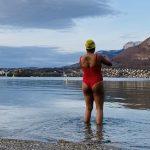
Which body of water has been calling to you?

Step 2: Logistics

As always, open water swimming requires a lot of planning. The events we have taken part in have had months, if not years, of preparation to ensure there is a safety plan. Your DIY swim requires the same level of scrutiny and attention. Everything from how you will enter and exit the water; who will always have eyes on you; how does feeding work; what marine life should you be aware of; tide and current timetables; charting the course; permission to swim. Even if you’re thinking of a pool-based challenge, (100×100 maybe?) how will you make this work?

I stress all of this because you do not want to put all the effort in training for the swim only to have it ruined by a lack of planning or attention to detail.

Of course, the one thing we cannot count on is the weather (can you tell that I’m British?) but even this aspect can be planned around with seasons and long-range forecasting.

Step 3: Training

The fun part? Opinions vary…

If you love or loathe this part you’ll agree with me that it is key. And no matter how much training you have done you’ll wish you would have done more. So don’t sell your creativity, planning and effort short. Commit as best as you can.

If you don’t know where to start, think about what you have done in the past. Was it a 5km lake swim and now you’re taking on a 7km sea swim? If so, you’ll know you need to do some sessions where you swim a bit further and also get a few sea swims in leading up to your challenge day.

For me, there were a few pool sessions that let me know I was ready to perform. One of which was a session involving 3km of rainbow (swimming through all of the training zones) followed by 10×200, which descended to max effort at the end. This was all done to simulate a race and the demands it would put through my body.

In what ways will your challenge test you? What do you need to work on? Is it strength and endurance, meaning you will need to cope with the fatigue through your shoulders – some sessions on pull paddles will help here. Or is it the aerobic demands of swimming – working through your training zones and heart rates will help with this. Or is it the mental aspect of the swim and where it will take you mind – this is hard to train for but learn how your mind works and try visualising yourself in those moments of the challenge when training.

Allow your training to test you and in turn feel confidence from what you have done. This will spur you on in the tough moments in your challenge.

Step 4: Swim

Sounds simple doesn’t it.

Here is where everything comes to fruition. The health and safety planning, the training, the hours spent curating your swim. Enjoy it

On the day, all those hours of planning and preparing will help you enjoy your swim

Step 5: Reflect

This is often a step people overlook or not even realise they’ve done. But you owe it to yourself to think back on how things went. Did you under-train or over-train? Was the challenge enjoyable? What can you do differently next time?

Verbalise these thoughts with your support team, write them down, keep them somewhere you can go back to them because when your next idea for a challenge comes to mind, you’ll be thankful that you have done your homework already.

Stay up to date with The Dip, our free weekly outdoor swimming newsletter.

Outdoor Swimmer is the magazine for outdoor swimmers by outdoor swimmers. We write about fabulous wild swimming locations, amazing swim challenges, swim training advice and swimming gear reviews.