
Dirty Business: Why we must watch, care – and still dive in
Gripping and sobering, Channel 4’s Dirty Business shines an unapologetic spotlight on what’s been happening to our waterways and asks the kind of questions that demand attention, says editor Ella Foote
A couple of weeks ago I was invited to a screening of Dirty Business, the new docu-drama from Channel 4, of which the first episode aired last night. When I first heard about it, my heart sank slightly. Not another media storm about sewage, I thought. Not another wave of headlines that might send nervous newcomers backing away from river banks. But I was wrong. Mostly.
Dirty Business is gripping, sobering television. It shines a bright, unapologetic spotlight on what’s been happening to our waterways and asks the kind of questions that demand attention. It’s exactly the sort of programme that can shift public conversation from background murmur to national debate. If it sparks outrage, good. If it pushes action, even better. Change rarely arrives quietly.
Still, I felt a small knot tighten while watching and after the screening one of the actors warned people not to swim in any of our waterways, which landed heavy. And while I understand why it was said, I do worry about the ripples it could send outward once the final episode has broadcast.
Rose-tinted goggles
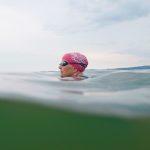
Because outdoor swimmers are not naïve. We’re not blindly cartwheeling into rivers with rose-tinted goggles. We know winter can mean lower water quality. We know rainfall can transform conditions overnight. We know some days are for swimming and others are for standing on the bank with a flask watching the current rush past. That isn’t denial. It’s experience. It’s awareness. It’s respect.
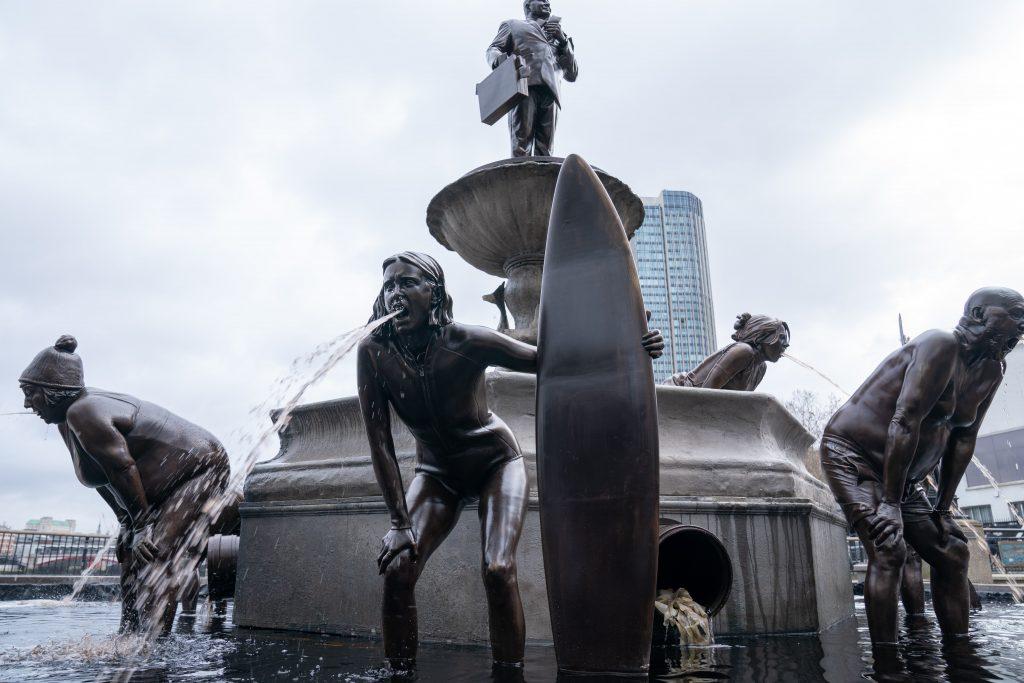
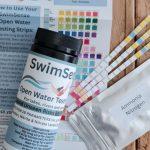
What rarely gets the spotlight is the extraordinary grassroots effort already underway. All over the country, swimmers, paddlers and water lovers are quietly doing the work: collecting samples, logging pollution events, sharing live updates and building a clearer picture of water health than ever before. Organisations such as the Rivers Trust and Surfers Against Sewage have helped transform concern into evidence and evidence into pressure. It’s people power in action, driven not by headlines but by care.
And there is good news too. A couple of weeks ago brought news that 13 more sites across the UK could become designated bathing places, meaning water quality will be monitored and publicly reported. That matters. It means more transparency, more accountability and more protection. Not perfection yet, but real momentum.
Bathing water status has been achieved through grass-roots action by community groups. The sites include the first River Thames bathing water spot inside Greater London. Simon Griffiths, Outdoor Swimmer’s founder, was part of the group that submitted the application. He says, “we had massive support from local water users for this application. At peak times in the summer, there are hundreds of people in or on the water here. The river is a fantastic recreational resource supporting their health and wellbeing. We hope achieving bathing water status is another lever to pull in the fight for cleaner water.”
This WILL inspire change
Watching Dirty Business, what struck me most wasn’t only the scale of the problem, but the scale of the response it could inspire. The programme shows how systems can fail. Our community shows how people respond when they do. Swimmers, surfers, campaigners, volunteers, citizen scientists – a growing network of people who love their waters enough to measure them, defend them and speak up for them.
So yes, we should watch this programme. We should talk about it, share it and let it galvanise us. We should demand cleaner water, stronger protections and real accountability. But we shouldn’t let it frighten us away from the very places we’re trying to protect.
Risk exists. It always has. Yet with knowledge, caution and community, risk can be managed. And the rewards of outdoor swimming remain profound: the calm mind, the strengthened body, the friendships formed in changing-room car parks, the deep sense of belonging to landscape and season. So watch it. Support it. Let it fuel action. Then check the conditions, choose your spot and slip in. The water is still there. And it’s still worth it.
Dirty Business is a three-part series – the first episode aired Monday 23 February and continues tonight on Channel 4.

Ella Foote
Ella is renowned outdoor swimmer and journalist. As well as leading the editorial, digital and experiential outputs for Outdoor Swimmer she is also Director of Dip Advisor, a swim guiding business helping people enjoy wild water. Ella also teaches swimming to children and adults, is an Open Water Coach and RLSS Open Water Lifeguard.