

From the banks of Lake Pichola
Itching for a challenge, Jharna Kumawat approaches long distance swimming like a three-course meal
At the time of writing this column, I’m sitting at banks of Lake Pichola, in my hometown Udaipur. I’ve spent the last two weeks with my family in India, showing my children where I come from and connecting to my roots.
By next week, I will be back to base (Essex, England) and I will restart my training for a rather challenging swim event in October – Hurly Burly, a 10km river swim in Barmouth, Wales.
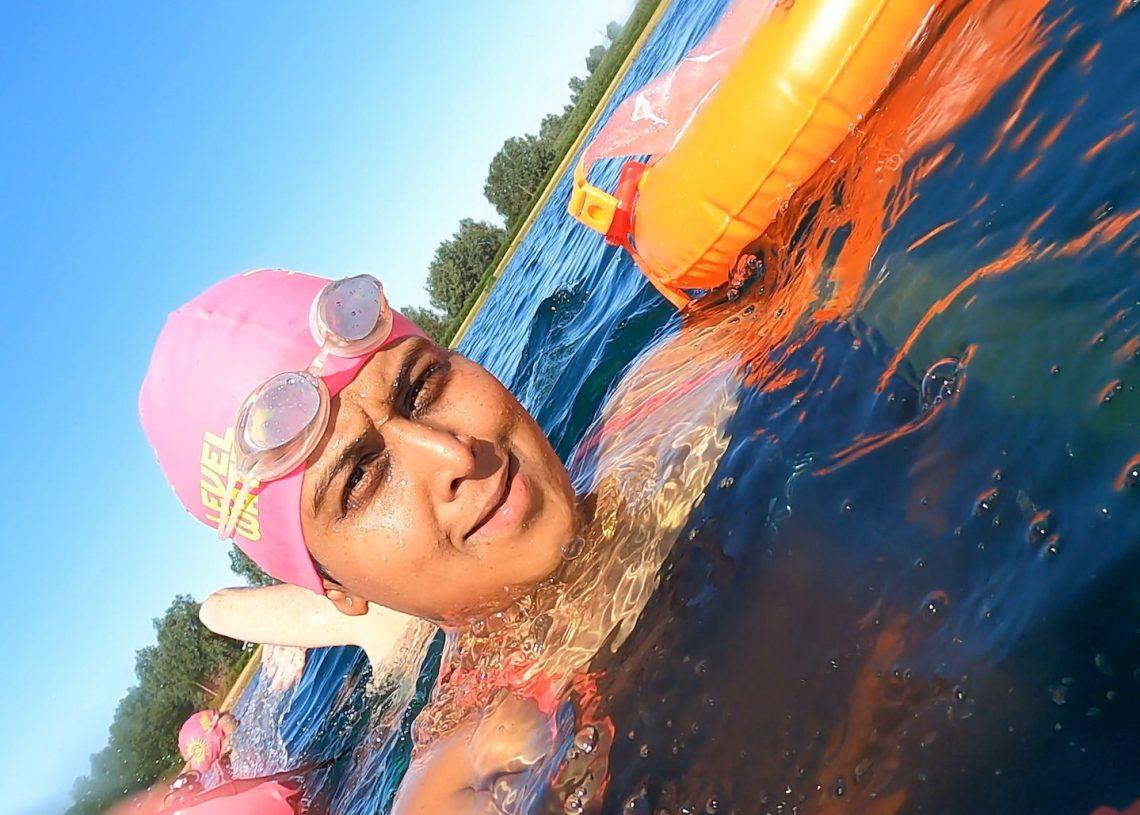
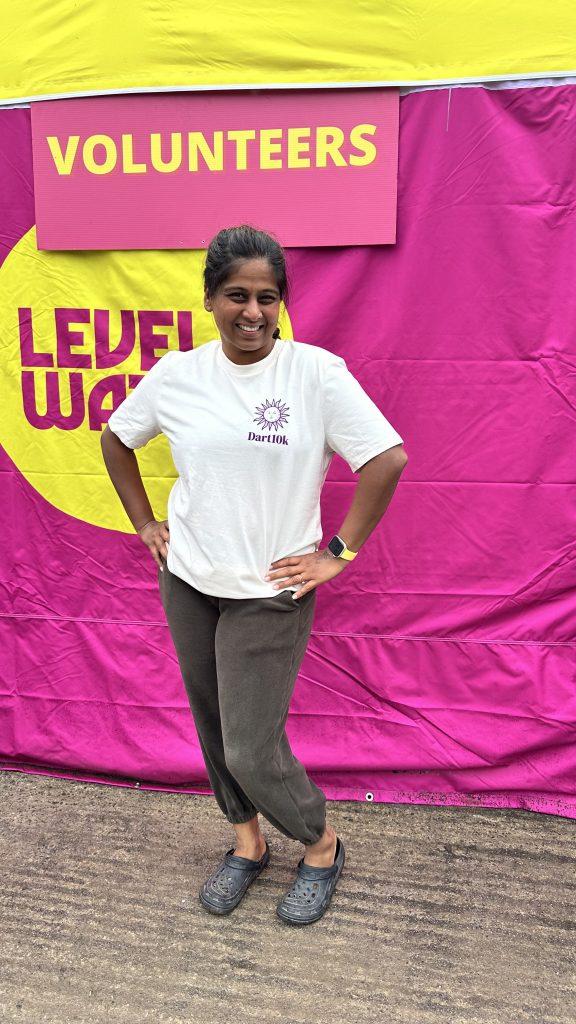
Last year, after completing the Dart10K swim, I itched for another challenge. In June 2025, I participated in the 24-hour Level Water swim relay in Trifarm, Essex. Having raised money for Level Water, a wonderful charity that supports 1-2-1 swimming lessons for disabled children, I decided to sign up for another Level Water event to close off this year’s long-distance swim season.
I see long distance swimming as a three-course meal, you first need to build an appetite for it, work towards it consistently and then sprint to the finish line.
In 2021, I completed the 2-mile Swim Serpentine; back then it was the longest I’d ever swum. The year after, I swum 5km Henley event, followed by the English Channel Relay swim. For my qualifying Channel swim, I had to swim for 90 mins, rest for 60 mins and then swim again for 60 mins in water temperature less than 15°C. At the end, I felt emotional as I could not believe that my body could endure the challenge.
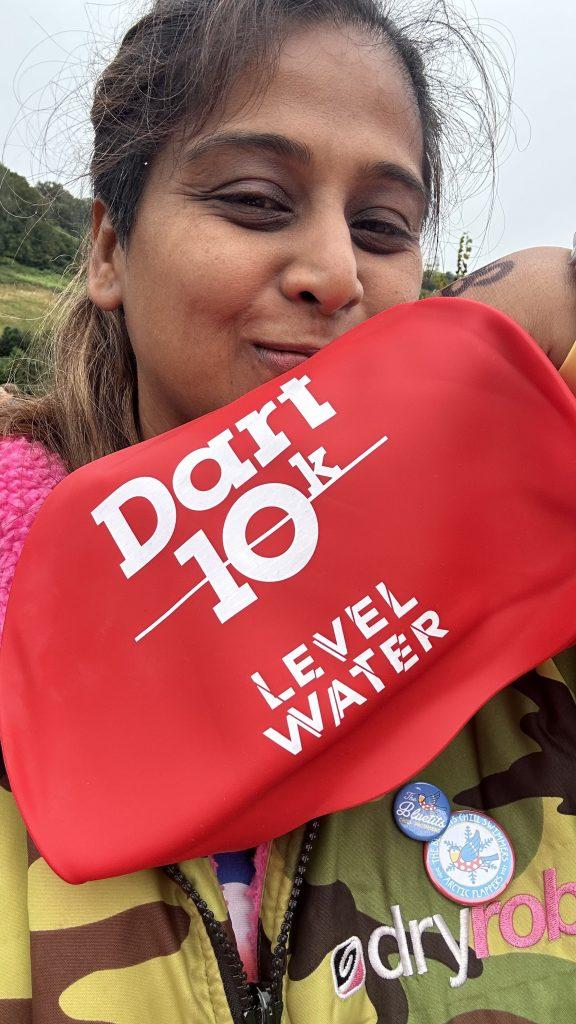
Over the last two years, I have swum in various water bodies, across England and Europe and I’m even more curious (or rather adventurous) to sign up to long distance swim events. I often get asked what I think during these long swims, to which I answer, “I don’t think anything”. It’s probably the only time when I’m wholly present.
To give you an example, during last year’s Dart10K swim, I started nice and slow, focussing on my breathing and stroke. After the first 45 mins or the first feed (whichever comes first), I get into a slow-med-fast swim rhythm. I play this rhythm on repeat in my head and execute this in my stroke. The last 1km to 1.5kms, I give it my all, thinking of that hot drink or cake at the end of the swim.
I have read and watched documentaries of many accomplished open water swimmers and I’ve had the privilege to learn and swim with some of them. To name one, Cassie Patten (Team GB bronze medallist in 2008 Olympics in 10km open water swim); during my training session with Cassie, I learnt how to tailor my stroke to support my body. I honestly believe, once you have the affinity for long distance swims (distance over 5 miles or 8kms) your warm up swims will start hitting 5kms and you will see how quickly your body acclimatises to these distances.
My top tip for anyone training for long swims is to cross train and plan each swim session meticulously (reach out to a coach for a tailored plan). In addition to swim training, I’m also a keen yogi. I practice yoga (vinyasa flow) couple of times a week and focus on eating home cooked food, consisting of all the macro nutrients my body needs to feel fuelled.

Outdoor Swimmer
Outdoor Swimmer is the magazine for outdoor swimmers by outdoor swimmers. We write about fabulous wild swimming locations, amazing swim challenges, swim training advice and swimming gear reviews.