



How to handle wildlife encounters
Swimming near wild animals and birds can be magical, exciting or scary. We asked two wildlife experts how outdoor swimmers should handle wildlife encounters to keep them and us safe, happy and healthy.
Swimming wild inevitably means encroaching on animal habitats, and encountering the creatures that live and feed in our oceans, rivers, lakes, lochs, reservoirs and streams. We asked Senior Foreshore Officer Thomas Hawkins and George Cook from the wetlands charity, WWT, for their advice on how to be responsible outdoor swimmers.
This is additional information to go with the lead feature in our March 2026 issue.
Be aware of how you could disturb wildlife
“You could disturb wildlife on land or at sea by approaching, moving or touching the animal, crowding, circling, separating or chasing, feeding them, making noise, damaging or changing habitats,” says Thomas. “If animals are repeatedly disturbed, it can cause stress or injury, which could lead to death, displace them from their favoured habitats, disrupt their behaviour, for example, migration, breeding, resting and feeding or make them more vulnerable to predators.”
“It’s also a lot more enjoyable to watch animals when they are relaxed. Therefore, when swimming, it’s always sensible to try to avoid or keep a safe distance away from any waterfowl you might see,” says George. “If there are lots of birds in an area, we would recommend avoiding this area completely to avoid disturbance, and also because the water quality here might not be the best.”
Know when local wildlife is most vulnerable
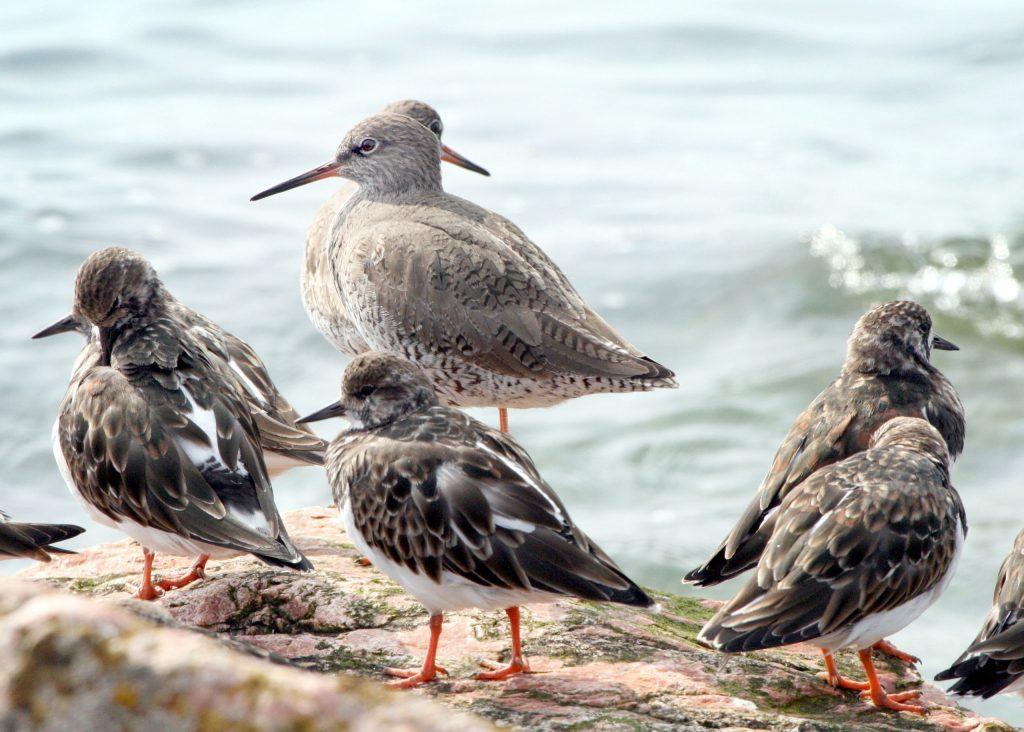
Animals can be especially vulnerable during breeding seasons, in the winter, and when they’re resting or moulting.
“Whenever you’re out in nature, it’s always best to try to avoid disturbing wildlife,” says George. “You don’t want them to be stressed, disturbed or have to waste energy moving away. Energy spent unnecessarily means less energy to spend on foraging or tending to their young.
“In the breeding season, it’s more important than ever to avoid disturbing birds. They will need to use all their energy to incubate eggs, care for their chicks or defend their territory, so it’s important not to cause them any extra stress,” he explains. “Male birds can also be more stressed and aggressive during this time, and females might only come off the nest once or twice a day to feed, so please keep well clear to keep yourself, the birds and their nests safe.”
“Some places close or restrict access when marine wildlife is most vulnerable, for example, during breeding seasons,” says Thomas. “Check signage in the local area; they should tell you when and where there are access restrictions. The local council and harbour or port may be able to provide this information.”
Breeding seasons
Breeding seasons for different species include:
- June to January for seals
- February to September for birds
- March to September for seahorses
- summer months for dolphins, whales and porpoises
- all year round for sharks, rays and skates
If disturbed, animals may abandon their nests, their mates or their young. This could prevent breeding or leave young vulnerable to disturbance, predators and starvation.
Wintering season
“The wintering season for many birds is between September and March. This is a time when they need to conserve energy and need lots of food,” says Thomas. “Moving away from things that disturb them uses up energy, making them more vulnerable at this time. Marine wildlife may not survive winter if it’s repeatedly disturbed.”
Moulting season
“In late summer, a prime time to enjoy a cooling outdoor swim, water birds will undergo a moult of their feathers,” says George. “It’s therefore important to give them plenty of space during this time, as they are unable to fly and will feel much more vulnerable.”
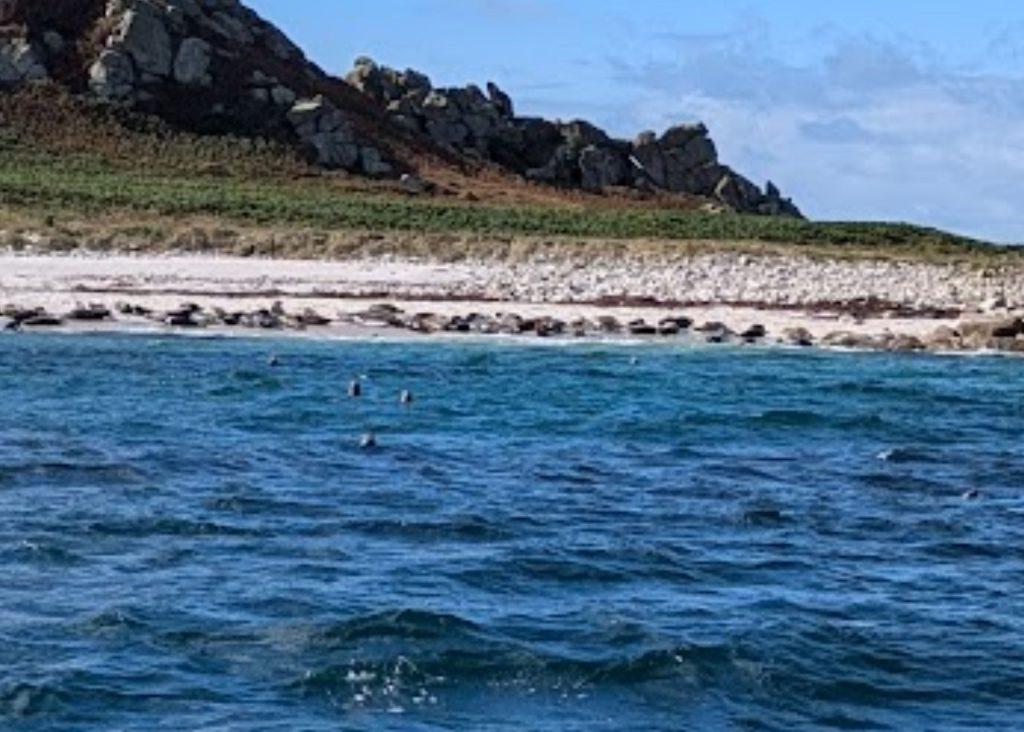
“Seals moult between November and April, and in August,” says Thomas. “This means they spend more time on land to shed their old coats and grow new ones. Take extra care not to disturb resting seals, causing them to retreat to the water and waste energy.”
Recognise when you are disturbing wildlife
“Learning when animals might be uncomfortable with your presence can help you recognise when you need to move away and give them space,” explains Thomas. He gives the following animal behaviours as examples you can use as a guide to help you recognise signs of disturbance:
Birds reacting to disturbance might: fly, walk or run away from you, flap their wings while standing or sitting, or attack to defend their territory
Seals reacting to disturbance might: wake up to look directly at you, move suddenly from their resting position, stampede, or suddenly dive into the water and swim away from you.
Dolphins, whales and porpoises reacting to disturbance might: slap the water with their flippers or tails, dive, move away, or come to the surface less, group together or make unpredictable movements.
Sharks, rays or skates reacting to disturbance might: swim away or dive, move suddenly from their resting position
Turtles reacting to disturbance might: swim away or dive, stand on their flippers to make themselves look big.
Seahorses reacting to disturbance might: hold their head in a downward, chest-hugging posture, turn their back, curl up, lie flat or swim away, darken their colouring, especially in the squares around their body ridges.
Always act responsibly around wildlife
Give wildlife plenty of space. Try to stay at least 100 metres (330 feet) away; if not, you should leave as much space as you can. It is also best not to approach animals head-on or from directly behind.
Move further away if you think the animal is showing signs of disturbance.
Please do not:
- chase, follow or harass wildlife
- feed or touch wildlife
- make a lot of noise around wildlife
- get too close to wildlife to take a picture, and avoid flash photography
You could use binoculars or a camera’s zoom to watch wildlife from a safe distance.
How to behave around different species
Different species can be vulnerable to certain behaviours, says Thomas. If you see:
- A seal in the sea or close to shore: Be aware it might want to come onto land to rest, digest, or feed their pups – follow advice in the Give Seals Space campaign from the Seal Alliance or ZSL
- A seal pup on a beach: do not move it or chase it into the sea
- A shark: Follow advice in the Shark Trust’s Basking Shark Code of Conduct – you can apply this to any shark
- Birds: Follow advice in the RSPB Bird Watching Code
- Dolphin, Whale or Porpoise: Do not pursue them or come close to them – follow advice in the Whale and Dolphin Conservation guidance
- Seahorse: Do not touch them and follow the Marine Management Organisation’s advice about seahorses
It is normal for young animals to be alone sometimes, as their parents will leave them while they rest, forage or hunt.
Report an injured, distressed or dead animal
Unfortunately, most of the marine life Thomas encounters on the foreshore needs help, or is beyond helping. So, what should you do if you see an animal that is injured, distressed, stranded or entangled?
Do not approach it, touch it or attempt to return it to the sea, says Thomas. Instead, report the incident by calling:
- British Divers Marine Life Rescue hotline on 01825 765546 for whales, dolphins, porpoises, seals, turtles and sharks
- RSPCA (England and Wales) on 0300 1234 999
- SPCA (Scotland) on 03000 999 999
- USPCA (Northern Ireland) on 028 3025 1000
“It is not safe to touch dead birds or other animals,” says Thomas. “You do not know why they died, and you could spread disease. Large animals could also put you at risk of injury.”
Report large marine animals that you find dead or floating at sea to the Cetacean Strandings Investigation Programme (CSIP) on 0800 652 0333 (England and Wales). This includes whales, dolphins, porpoises, seals, sharks and marine turtles.
When reporting, they’ll want to know the:
- location of the dead animal, for example, a local landmark, What 3 Words or National Grid Reference
- date you found it
- species, if you know
Thanks to Thomas Hawkins at Foreshore Services and George Cook at WWT.