
Out of scrubs, into the water
Consultant doctor Dr. Zoltan Györgyi shares how outdoor swimming became his way to find freedom, resilience and balance beyond the pressures of everyday life
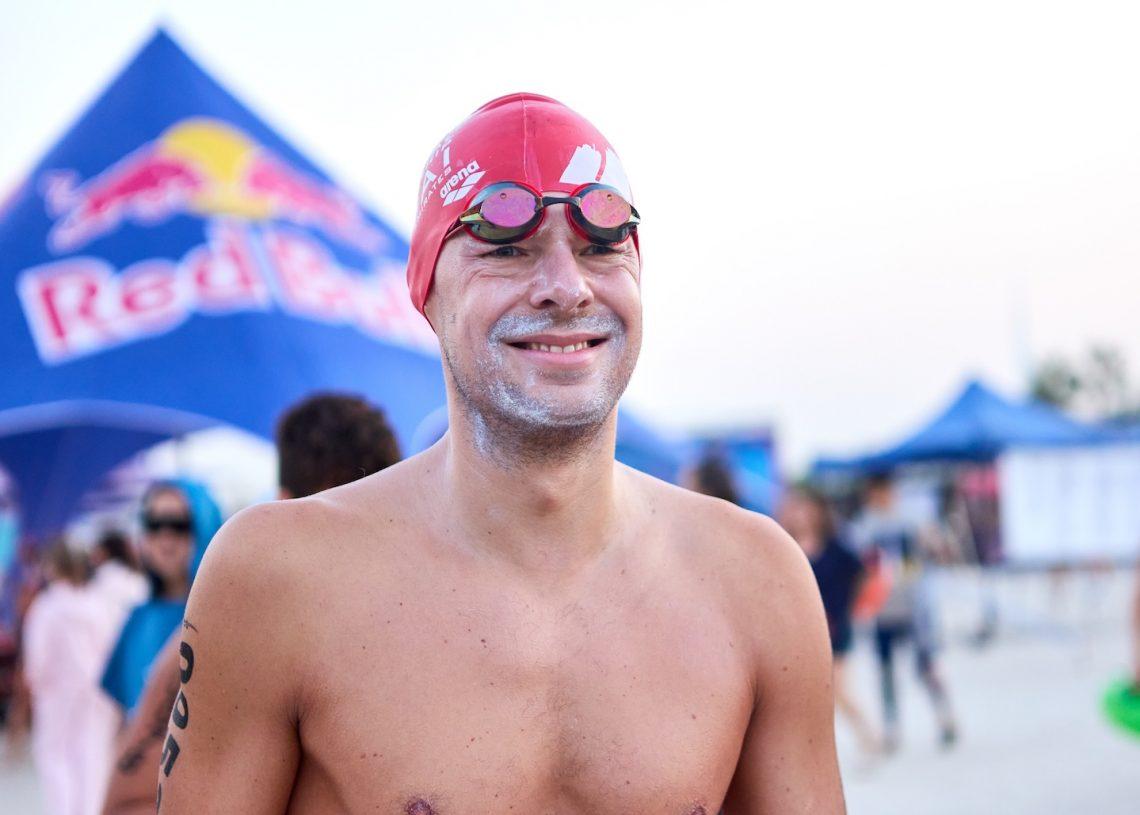
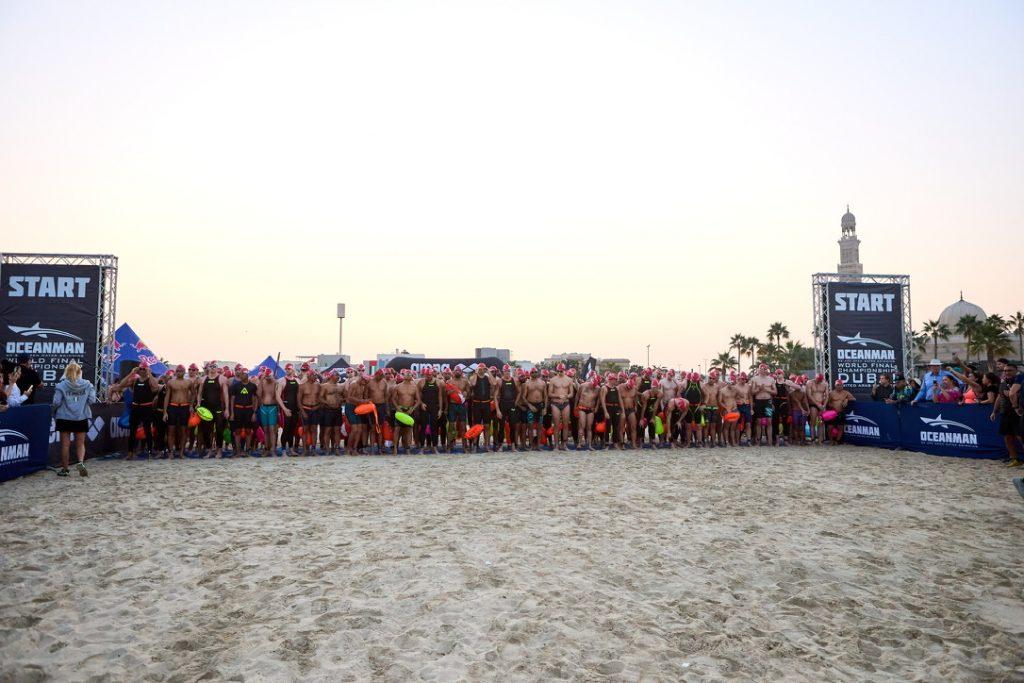
When they ask me how my swim year was, my mind goes to the 9km mark at the Oceanman World Final in Dubai. Near the end of a big race, many of us do the same thing: grit our teeth and tell ourselves there’s not far to go. The thought of the finish line pulls us forward. But in that moment, it no longer felt like the last kilometre of the race, but of my sabbatical year. Otherwise I would have pushed harder, chased down the swimmer just ahead, but this time I chose to stay in that smooth, unbroken flow. That is how I knew it had been worth putting my life as an NHS consultant on hold for a year.
I didn’t grow up swimming. In fact, when I first started going to the pool in 2022 after a running injury, I couldn’t swim a full Olympic length without stopping. My swimming career has clearly snowballed since then—but it began from something very small. Fast forward to last year, I stepped away from my job temporarily and moved to Lanzarote to build a base alongside my coach, Paul Cardwell Hounam.
The island offered consistent conditions and a simple life with minimal distractions. My dream was to qualify for the Oceanman World Final and I would repeatedly imagine standing on the start line. Yet underneath that image sat a deeper question: whether I could actually become a swimmer at all. And, as if that wasn’t enough, I added attempting to become fluent in Spanish into the mix as well.
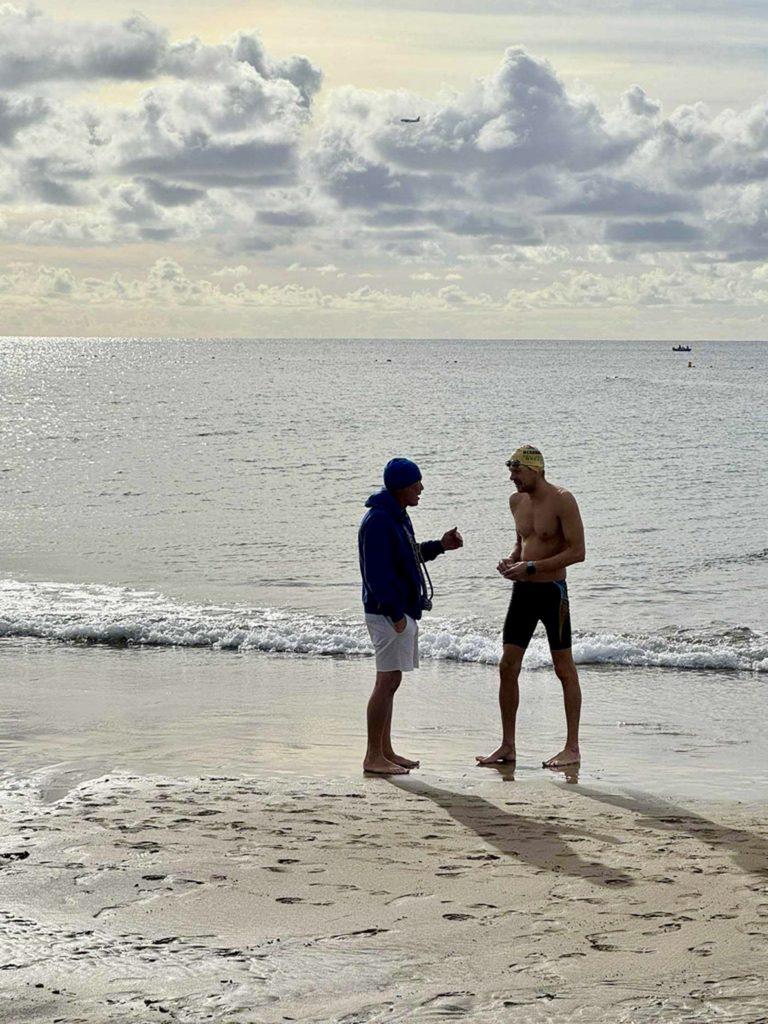
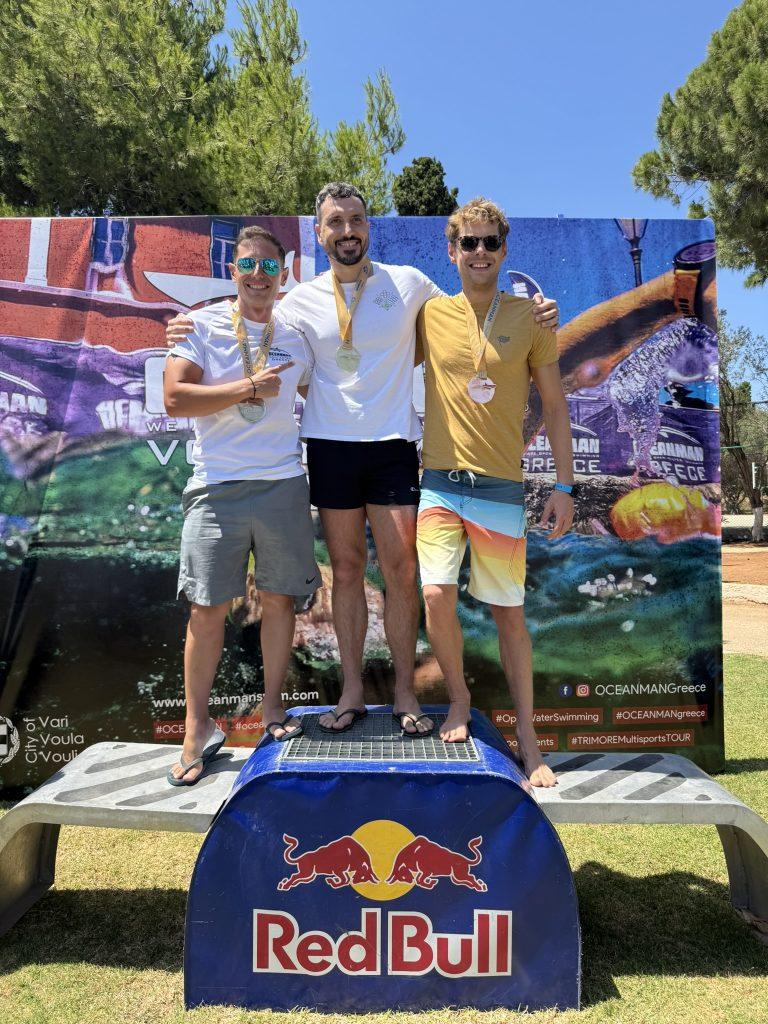
Everything needed figuring out, right down to my daily routine: wake up, breakfast one, train, breakfast two, Spanish lesson, rest, train again, stretch, sleep. Most weeks had only one rest day. I developed a structure whose consistency became my foundation, though in my head discipline and flexibility were constantly pulling against each other. “What would an athlete do?” I asked myself often. I wanted my decisions to reflect that, at least most of the time. That meant saying yes to many unglamorous things, while also saying no to what most people would simply call fun.
None of it came easily: adapting to the training load, qualifying for the World Final or learning a new language. But eventually, each part clicked. One morning, when we couldn’t swim in the ocean, Paul scribbled a brutal pool set on a coffee-stained piece of paper: 100 × 100m, with a set leave time beside it. It looked simple enough. In reality, it took me five months to complete, and it shaped me more than any race did. Those months also made me realise how lonely swimming really is, especially for someone with a strong need to connect. But the connection I craved didn’t come from the sport itself. It came from the island. Like a doctor and his patient, I could feel the island’s pulse in the wind running between my fingers, in the colour of the sky, in the sea life moving beneath me, and in the rattle of my neighbour’s sunshade warning that rough onshore conditions were building.
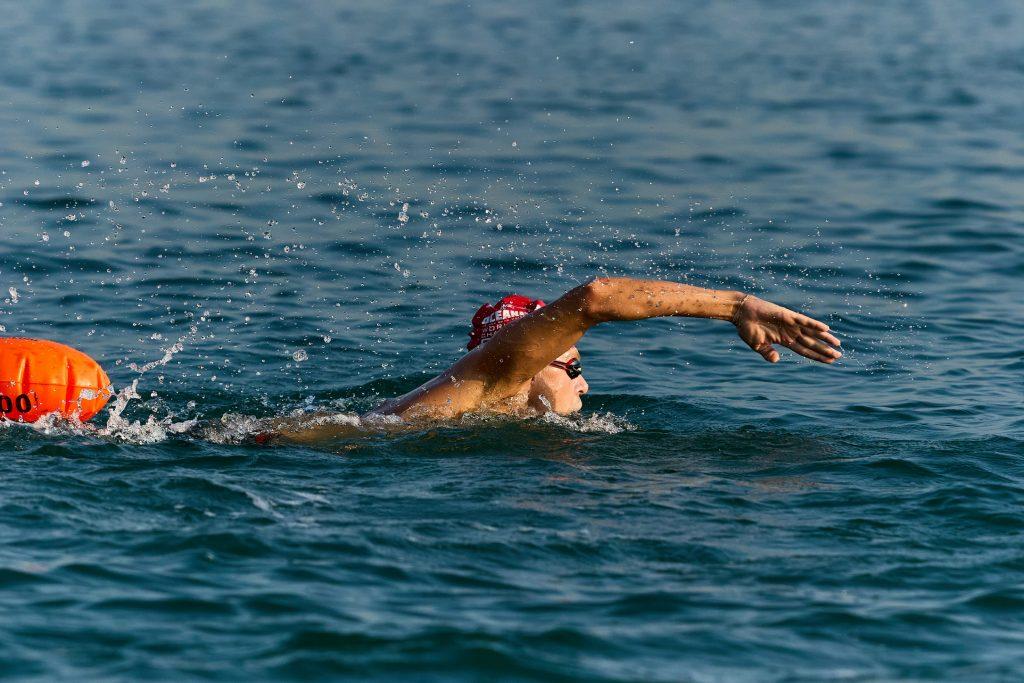
So the island and I spoke the same language. In Spanish, though, I was still stuck at early beginner level until I found the right teacher: someone who saw I was serious about it. I also needed real conversations. Those I found on our beach in the early mornings, when it belonged to the locals. The same people walked there day after day, and over time we started saying hello as we passed. One day I tried to turn those small greetings into conversations and see where they led. That’s how I found my handful of beach friends: slowly, a bit awkwardly, but in Spanish.
Then the swimming got harder. The days when I could simply turn up and execute a session were behind me. During the last months before Dubai, I had to fight for every set in the gym, kilometre in the sea and length in the pool. Some days even a single stroke felt like a challenge. My gains had plateaued. Fatigue had accumulated. And underneath it all sat a harder question: was I doing a ‘light’ version of the sabbatical? Eventually, I had to admit that I was approaching the limits of my physical ability, and that it was time for a kind of self-love that did not come naturally to me: allowing more recovery. Unexpectedly, that gave me something else: more time around my teammates, and more time inside Paul’s life as family—the way I had always felt about them. All of those meant that by the time I reached Dubai, I knew I had given it everything.
Months later, back in Spain, a different reflection surfaced. I’d returned excited to immerse myself in the language and culture again. By then I thought my Spanish was decent. Yet after even the simplest interactions, locals would reply in English. Somewhere in those small moments, I realised the same theme had run through my entire swim year. I had given everything I had to becoming a swimmer, but life kept answering back in English. The occasions when conversations stayed in Spanish are the ones I remember most. Now, I feel free from chasing the need to become more of a swimmer. And the trip to Spain was great.

Outdoor Swimmer
Outdoor Swimmer is the magazine for outdoor swimmers by outdoor swimmers. We write about fabulous wild swimming locations, amazing swim challenges, swim training advice and swimming gear reviews.