
Swimming my swim
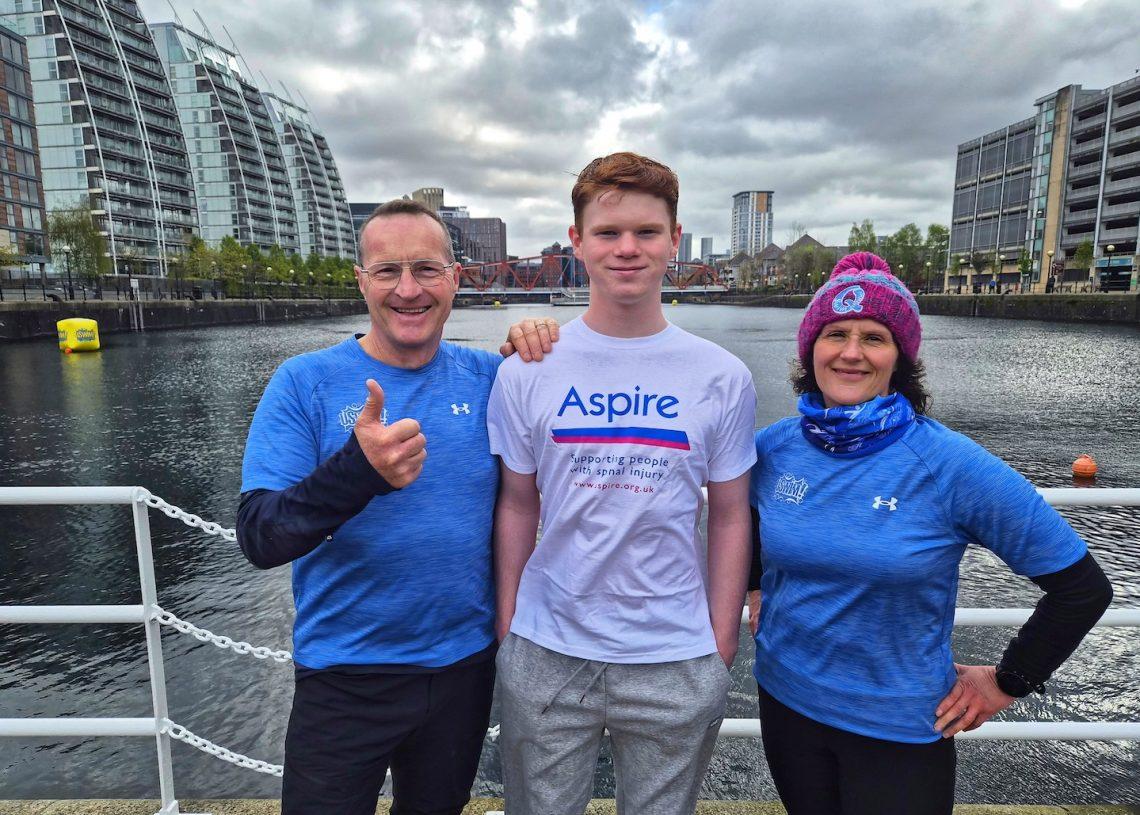
Fourteen-year-old Alexander Sixsmith has found freedom, focus and confidence through open water swimming. Living with DLD (Developmental Language Disorder) and navigating POTS (Postural Orthostatic Tachycardia Syndrome), he has already become one of the youngest EnglishChannel relay swimmers and continues to take on major crossings while raising funds for Aspire
I’ve always been encouraged to push myself, whether that’s in the classroom or in the water. I love maths and science and will be studying further maths at GCSE next year. I like patterns, logic and figuring things out. Swimming, in its own way, is like that, too.
At school I’ve been lucky. My teachers expect a lot from me and help me believe I can meet those expectations. My teaching assistant always reminds me to give 100 percent. That work ethic has travelled further than I ever imagined, all the way to the separation zone of the English Channel in the middle of the night.
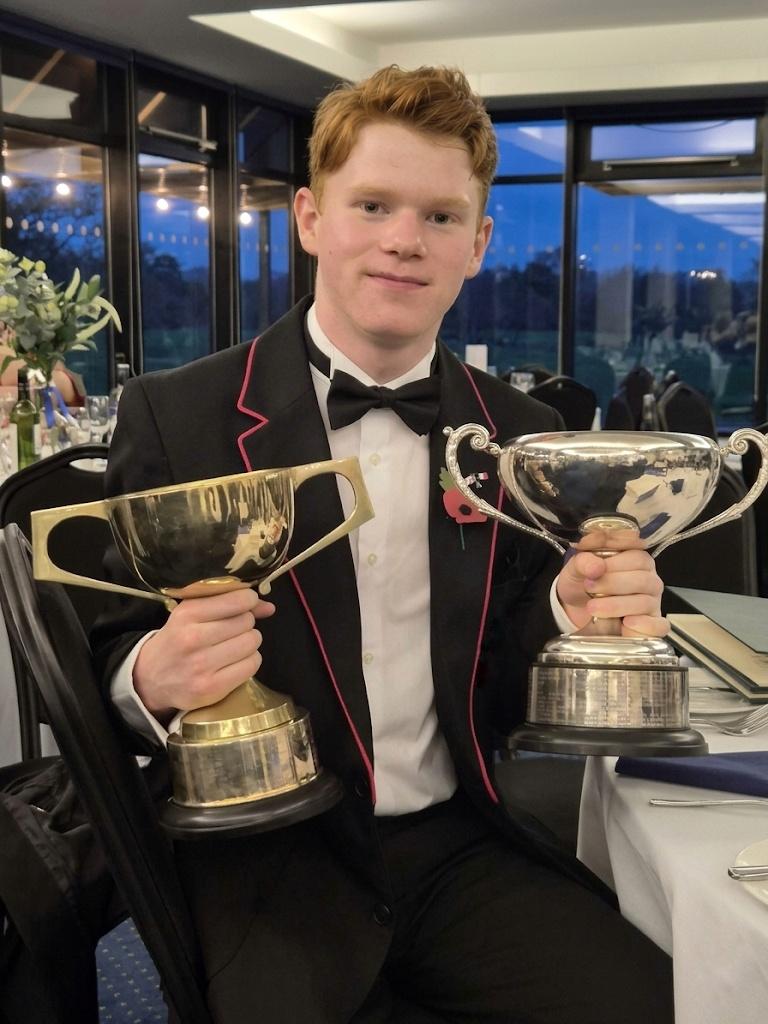
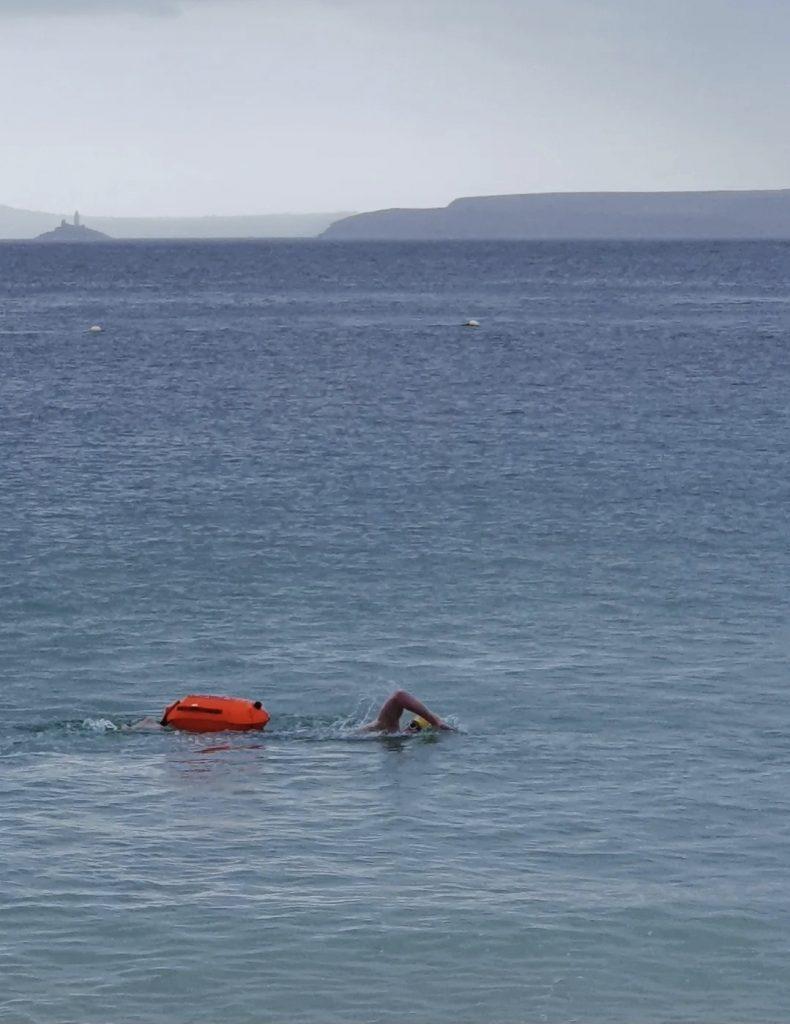
In October 2025, after only seven months of outdoor swimming, I was part of an English Channel relay team that won both the Youngest and Fastest Junior Relay awards from the Channel Swimming Association (CSA). I was 13. We crossed on a spring tide. The water was dark, the conditions challenging and during my first leg we were pushing through 12 knot chop. My favourite memory is looking up mid-swim and seeing a huge full moon in a sky scattered with stars. Total darkness everywhere else, just the rhythm of the waves and the steady movement forward. That moment has stayed with me. Back at school, I was awarded the 2025 swim trophy. James Allen, my Headmaster at Beech Hall, said, “Alexander has an outstanding attitude. He is unfailingly polite and committed to swimming.”
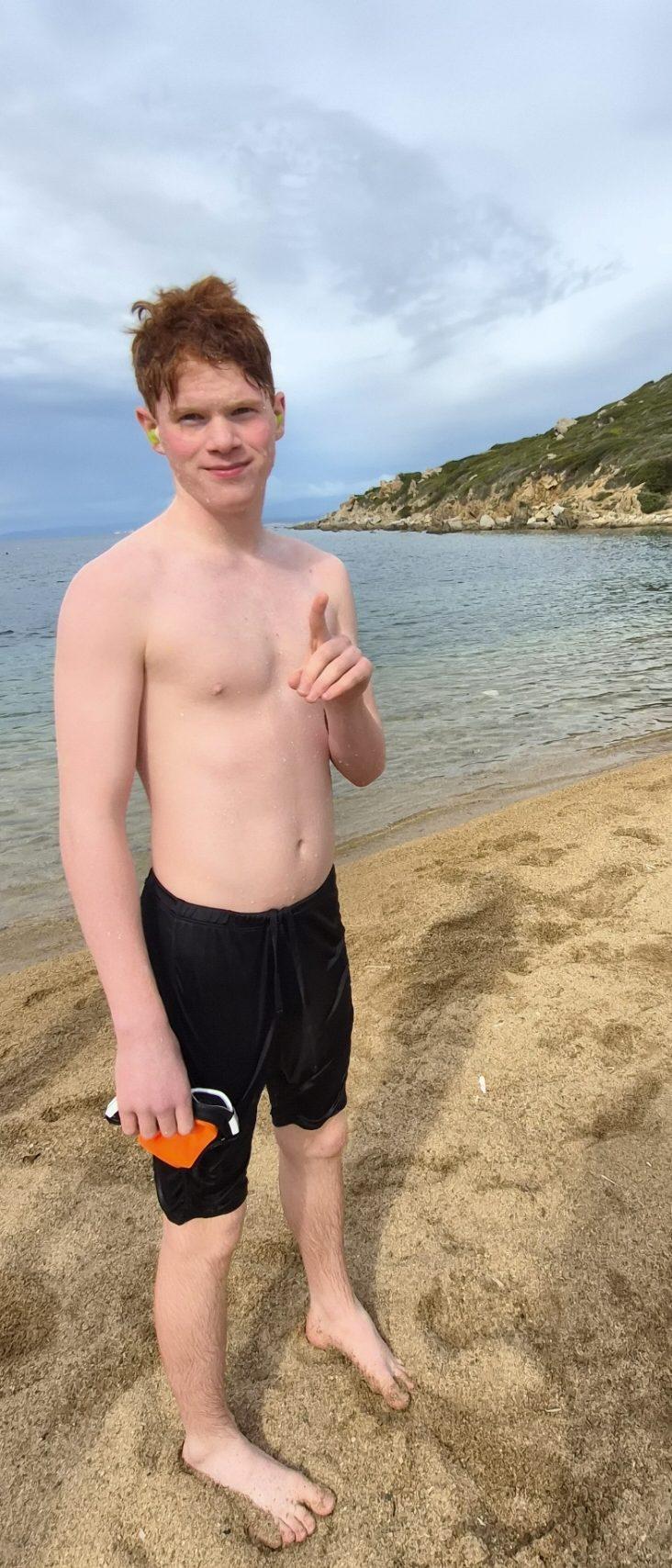
Because I love maths and science, I was fascinated by the GPS tracker on the CSA observer report. After the crossing, I plotted our route and studied the data. I was proud not just of finishing, but of the verified contribution I had made to the team effort. Two weeks later, that performance allowed me to be part of the youngest mixed team ever to cross the Strait of Bonifacio between Corsica and Sardinia.
Bonifacio was completely different to the Channel. Instead of pitch-black water, the sea was clear and bright. I could see everything beneath me. It felt alive. The jellyfish were more powerful, too. I discovered quickly that Italian stings hurt more than UK ones.
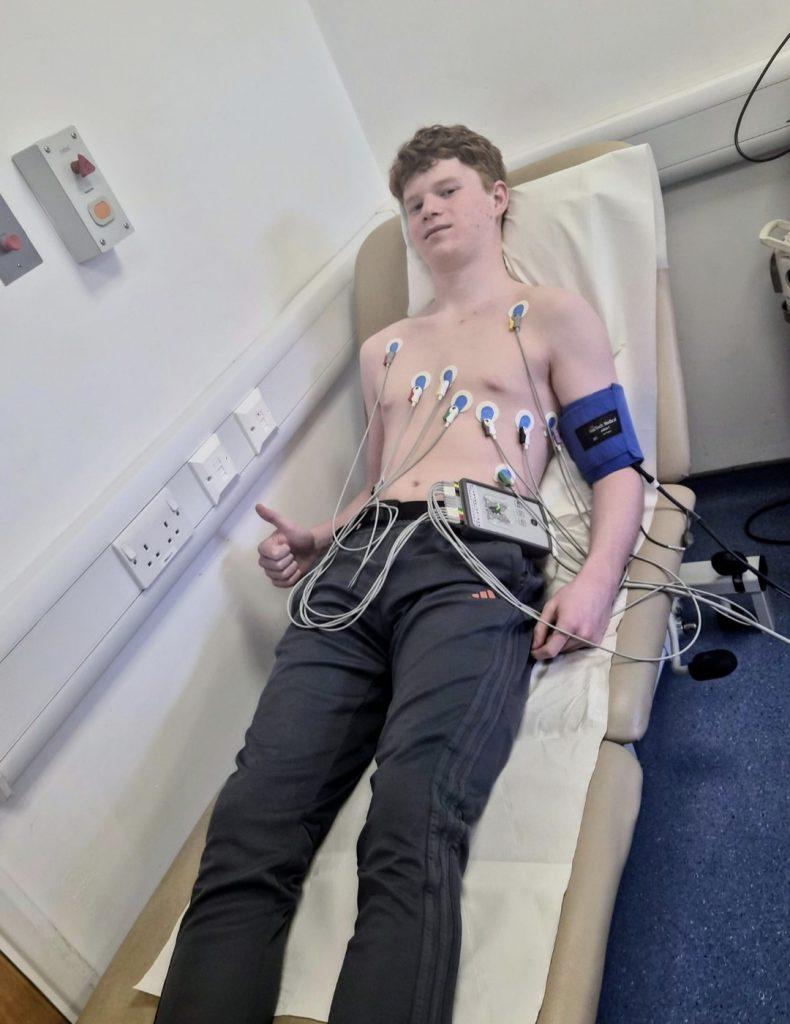
The crew from Swim Trekking, especially Barry, were brilliant. Hydration and medical adjustments are not optional extras for me. I have DLD (Developmental Language Disorder) and I swim while navigating symptoms of POTS (Postural Orthostatic Tachycardia Syndrome), a condition that affects my heart rate and can make everyday life exhausting and unpredictable. Since December, I’ve spent time in and out of hospital. There have been stretches where ordinary things have felt out of reach.
But POTS does not come with me into the water.
When I swim, everything quietens. The noise drops away. Swimming doesn’t just keep me fit, it gives me space to be fully myself. In the water, I am not defined by symptoms or appointments. I am just a swimmer. Outdoor swimming has also forced me to face fears. My first night swim was at a USWIM (Swim the Channel Up North) event at Boundary Park. I was 13 and not keen on the idea. I did not want to let my teammates down, but it turns out I now prefer swimming at night!
Often, feeling different can knock your confidence. Swimming builds mine back up. The water levels the playing field and gives me something solid to return to, even when my health fluctuates. When you have swum a Channel relay at 13 while spending parts of winter in hospital, your perspective shifts. You learn that limits are sometimes further away than they first appear.
Karen and Dave Quartermain at USWIM Adventure have played a huge role in my journey. Karen says, “Watching Alexander’s journey unfold has been incredibly rewarding. Ensuring what we plan is tailored to Alexander as an individual. The progress he’s already made speaks volumes. He’s focused, driven, and thrives with clear direction. We’re proud to be part of his story and excited to see just how far his determination will take him. The water really is a special place.”
The team at Aspire have also supported me as I continue setting new goals. This summer, I will be the only child on a relay team of five adults attempting another English Channel crossing, raising funds for Aspire, a charity supporting people with spinal cord injuries. Supporting people facing their own physical challenges matters to me. I understand what it means to adapt.
Andrew Ogierman from Aspire says, “Alexander is one of the youngest swimmers to ever join Aspire yet his commitment and dedication to training are second to none. He may even be our top fundraiser for the year, and we look forward to supporting him all the way to France.”
Nothing in the Channel is guaranteed. Conditions change, plans shift and you respect the water every single time you enter it. But I know my teammates and I will give everything to reach France this summer. I will keep swimming my swim, one stroke at a time. And if you are a young person who feels like your body or brain makes things harder than they should be, I would say this: find your water. Find the place where the noise fades and your strengths surface. When you find it, hold on to it. That is where you discover what you are capable of.

Outdoor Swimmer
Outdoor Swimmer is the magazine for outdoor swimmers by outdoor swimmers. We write about fabulous wild swimming locations, amazing swim challenges, swim training advice and swimming gear reviews.