



Unlocking cultural significance through adventure swim travel
Adventure swimming is more than just a test of endurance; it is a gateway to deeper connections with the natural world and the diverse cultures, Aaron Davis reports
Open water swimming offers a unique lens through which to explore regions rich in history, mythology, and indigenous knowledge. By pushing beyond our own backyards and choosing culturally significant locations for adventure swims, we have an opportunity to gain a profound appreciation for diverse traditions and stories interwoven with the waters we traverse. Taking the time to recognise the value of indigenous perspectives and traditional ecological knowledge enhances our understanding of these places and fosters a more meaningful swimming experience. Each destination holds a unique cultural imprint, offering opportunities for immersive exchanges that go beyond the water and into the heart of local traditions.
Kyoto by the sea
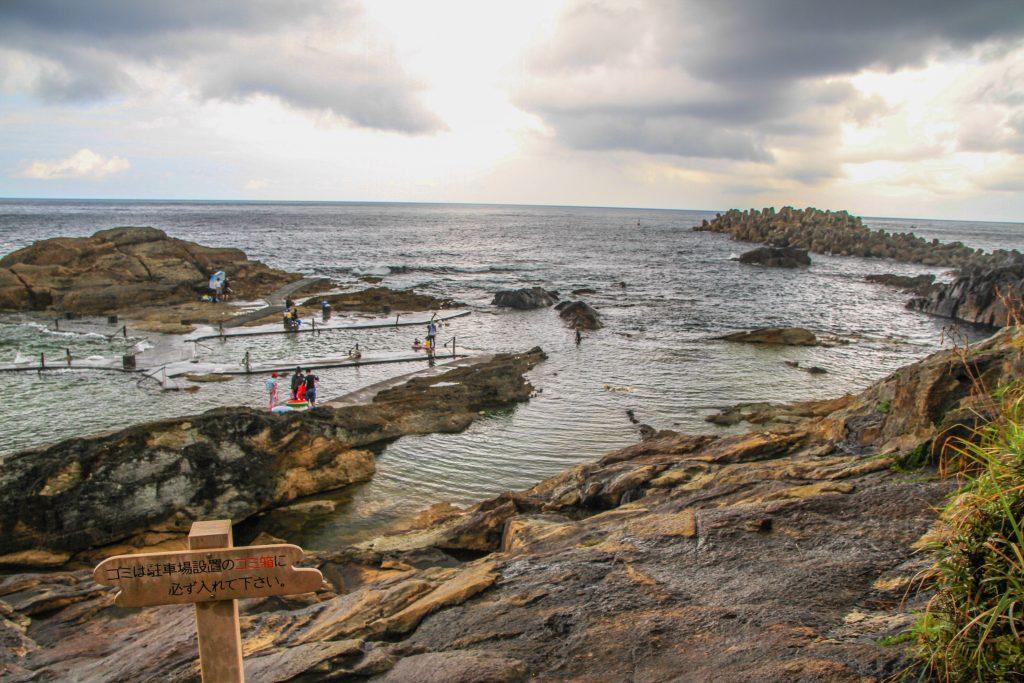
Japan’s Kyoto by the Sea region is a landscape shaped by time, where coastal beauty meets deep cultural heritage. The Kyotango coastline and the San’in Geopark offer stunning swimming routes through waters steeped in history. The area has long been a hub for maritime trade and craftsmanship, supplying silk and tapestries to major cities.
Swimming along this coastline reveals an ancient relationship between people and the sea. The region’s traditional fishing practices remain alive in villages where Ama divers – female free divers – continue the centuriesold technique of harvesting shellfish and pearls. Coastal mythology further enriches the experience, with stories of sea spirits and protective deities woven into local traditions. These legends highlight the deep reverence for water as both a source of life and a powerful force to be respected.
Deepening the experience, swimmers can seek out opportunities to engage with fishermen, learn about Ama diving techniques firsthand, or participate in traditional coastal festivals. Through this they can gain a personal perspective and connection with Japan’s coastal traditions that shapes how they view open water swimming.
Vancouver Island
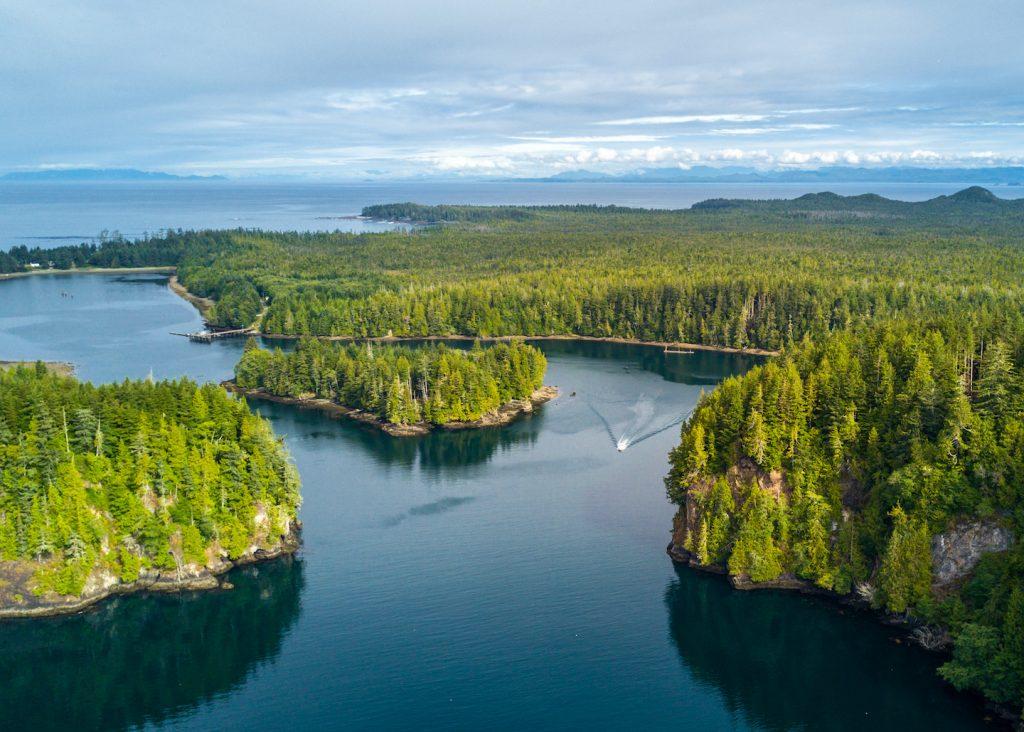
The rugged Pacific Northwest coastline of Vancouver Island is a paradise for open water swimmers seeking raw, untouched beauty. The island’s cold waters, kelp forests and quiet bays provide breathtaking swimming opportunities, while encounters with sea lions, orcas and eagles add an exhilarating connection to nature.
But these waters are more than just a playground for swimmers; they hold deep spiritual and cultural significance for the Coast Salish and Nuu-chah-nulth peoples. For thousands of years, these indigenous communities have relied on the ocean for sustenance, travel and storytelling. Traditional canoe journeys and water-based ceremonies underscore the role of the sea in shaping their identity. Swimmers passing through these waters are moving through a living history, where indigenous art and oral traditions depict the ocean as both a provider and a sacred space.
Travellers can take part in guided cultural experiences, such as paddling alongside indigenous guides on a traditional canoe journey, visiting heritage centres to hear elders share water-based legends, or attending cultural festivals that celebrate the ocean’s significance. These interactions offer meaningful exchanges that enrich the swimming journey with deeper insights into the enduring traditions of the region’s First Nations people.
Jungle swimming
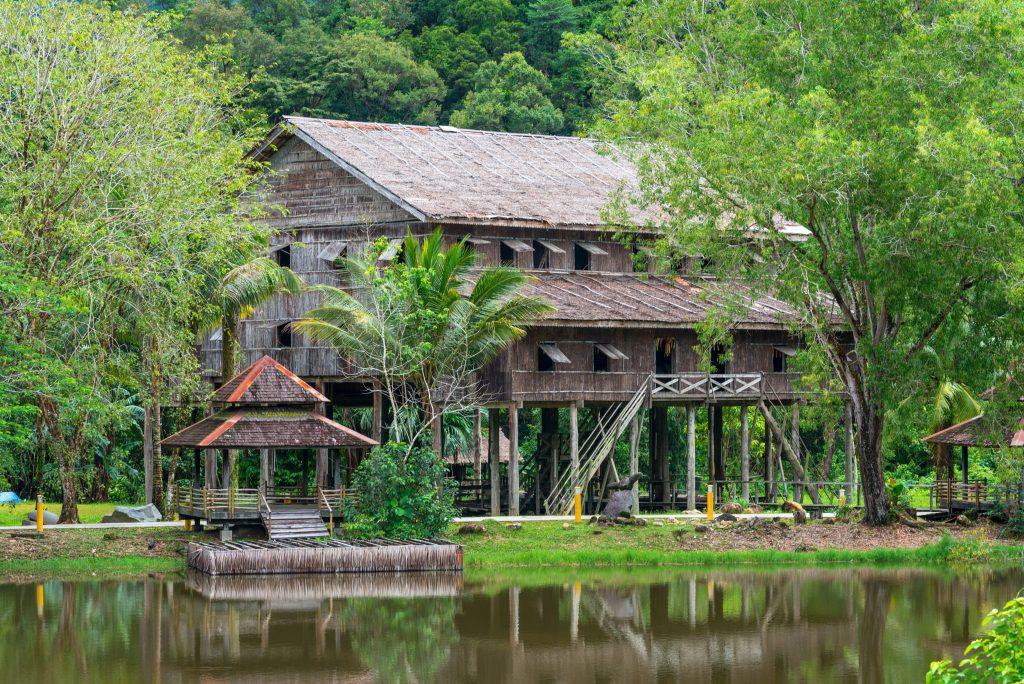
Borneo’s waters offer a stark contrast to the cold, rocky shores of the Pacific Northwest. In the Malaysian state of Sabah, swimmers can explore pristine ocean environments teeming with coral reefs, sea turtles and tropical fish. The island-hopping swim routes across the Tunku Abdul Rahman Marine Park provide not only stunning scenery but also a glimpse into a way of life deeply intertwined with the sea.
The Bajau Laut, often referred to as “Sea Gypsies,” are a nomadic people who have lived on the water for centuries. With an extraordinary ability to free dive and an innate understanding of the ocean’s rhythms, they have adapted to a marine existence in ways that few other cultures have. Swimming in these waters, knowing that generations of Bajau have navigated them with skill and reverence, brings a unique perspective to the experience.
The Kadazan-Dusun, another indigenous group, have their own relationship with the sea, reflected in rituals and stories honoring ocean deities. Through sustainable tourism initiatives, swimmers have engaged with these communities, to learn about marine conservation efforts led by indigenous groups and gaining a deeper appreciation for the delicate balance between people and nature. These cultural exchanges make the act of swimming not just a recreational pursuit but a means of connecting with and supporting local traditions and our planet.
Katherine Gorge via Kakadu

In Australia’s Northern Territory, Katherine Gorge (Nitmiluk) is a breathtaking natural wonder, offering serene swims through crystal-clear waters flanked by towering sandstone cliffs. This region, part of Nitmiluk National Park, holds profound spiritual significance for the Jawoyn people, the traditional custodians of the land. The gorge’s creation is recounted in Dreamtime stories passed down for generations, explaining its deep spiritual and cultural meaning. Rock art sites along the cliffs serve as ancient records of life, illustrating the Jawoyn people’s enduring connection to the land and water. Swimming through these waters is a powerful way to engage with this history, providing a sensory link to the stories embedded in the landscape.
Jawoyn elders provide opportunities for swimmers to join groups where they share Dreamtime stories, explain the sacredness of the land, and introduce visitors to traditional bush medicine and survival skills, fostering a more personal connection to the region and highlighting the importance of respecting indigenous perspectives when exploring their ancestral lands.
The transformative power of swim travel
Adventure swimming is more than just a physical challenge – it is an invitation to step into the living history of a place, to listen to the voices of those who have long called these waters home. Whether swimming past ancient rock art in Australia, gliding through Japan’s myth-laden coastlines, navigating the kelp forests of Vancouver Island, or sharing the ocean with Borneo’s sea nomads, the experience becomes richer when we acknowledge and honor the cultural significance of these waters.
To truly unlock the depth of adventure swim travel, it is essential to approach each location with respect and curiosity. Engaging authentically with local communities, learning about their traditions, and supporting eco-tourism initiatives that benefit indigenous groups ensures that our swimming journeys contribute positively to the regions we explore. Seeking out cultural exchanges – whether by joining guided experiences, visiting cultural sites, or taking part in local traditions – allows us to deepen our understanding and appreciation of the places we swim.
As swimmers we have long known that swimming has the power to transcend physical endurance – it fosters cultural awareness, mutual respect and a deeper connection to breathtaking aquatic landscapes. By pushing our boundaries and immersing ourselves in culturally significant waters, we gain not only a greater appreciation for the sport but also a richer understanding of the stories that shape our global heritage.
Aaron Davis is an avid adventure travel swimmer and the owner and founder of Cross Country Swimming: crosscountryswimming.com

Outdoor Swimmer
Outdoor Swimmer is the magazine for outdoor swimmers by outdoor swimmers. We write about fabulous wild swimming locations, amazing swim challenges, swim training advice and swimming gear reviews.


