
Wetter by design
Rowan Clarke delves into the fascinating evolution of our swimming kit, and how these humble items can go way beyond their function and become instrumental in changing minds, attitudes and lives
So much of the stuff in our swim kit bags started with a swimmer. An entrepreneurial mind whirring while its associated body kicked and pulled through the water. A swimmer mulling over a problem, working out how it affects other swimmers and then going on to find a solution and bring it to the market.
The stories behind swim brands are about more than products and sales. This is because its founders are often part of swimming communities who are passionate about an aspect of swimming, whether that’s including a specific demographic, enabling a type of swimming or looking after swim health and safety. In other words, swimming kit can go way beyond its function, and brands can become instrumental in changing minds, attitudes and lives.
So, how can a swimmer’s idea turn into something so huge? THE
First swimsuit
Let’s start with the humble swimsuit. In 1907, Annette Kellerman, an Australian swimmer and vaudeville star, was allegedly arrested for indecent exposure when she wore her streamlined ‘maillot’ bathing suit on a Boston beach.
Based on the men’s bathing suit of the time, the ‘Kellerman’ was body tight for streamlining, sleeveless with short legs leaving the swimmer’s arms and legs free for movement. From a functional point-of-view, this practical design was about being able to swim – the first female Olympic swimmers wore them in 1912. But it was also an important part of an epic battle by ‘swimming suffragettes’ to allow women equal access to swimming. With her rebellious onepiece, Kellerman challenged cultural norms – something that, a century later, women’s swimwear designers are still doing.

“We want people to feel confident when they’re swimming,” says Linda Souto Maior, founder of size-customisable swimwear brand, Usual Objections. “We have all sizes in our black swimsuit so you can try it on. And then if you need to, we can do alterations for you or make it bespoke. For people who’ve had a mastectomy, we can add an insert. It’s a really nice feeling that we can help all these different customers and give them that opportunity to feel comfortable when they’re in the water.”
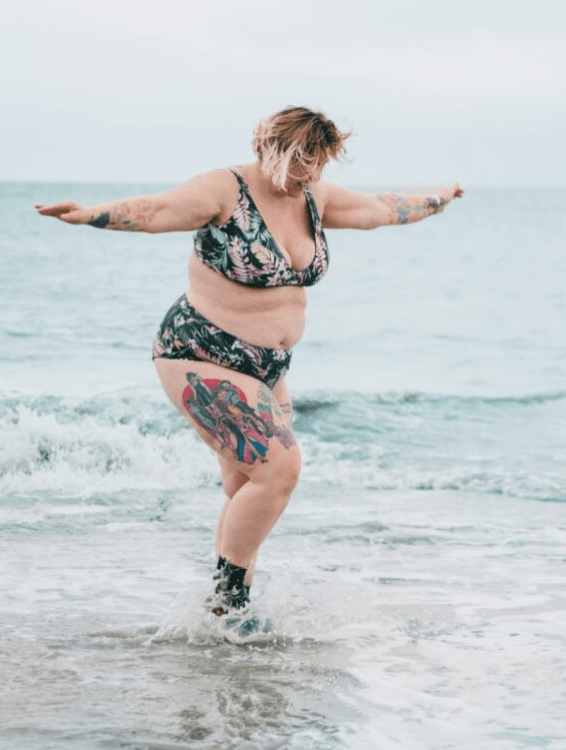
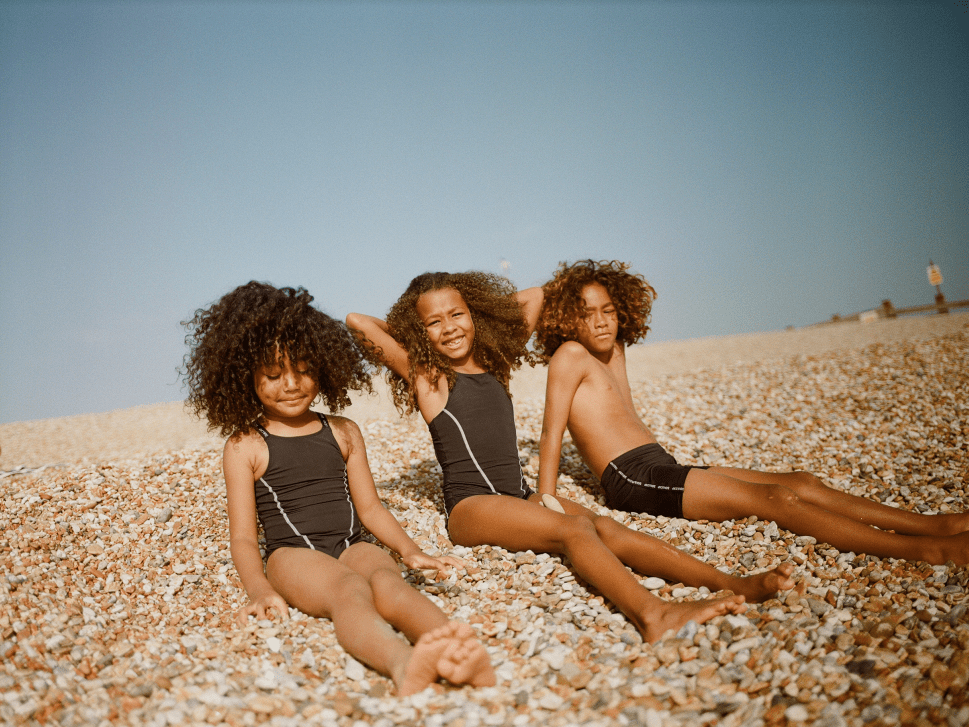
Creating a full range of size options isn’t simply about catering for people of all shapes and sizes. Swimming costumes and trunks are such simple bits of kit, but they enable us to swim by being functional, fitting well and making us feel confident in the water. So, an inclusive range of sizes, styles and functions sends out a powerful message – swimming is for every body.
“Research tells us that body image concerns stop women from swimming,” says Rosie Cook, founder of inclusive swimwear brand Deakin & Blue. “We’re changing that by not only making swimwear that women feel comfortable in, but also challenging the narrative and norms around female bodies and what society views as acceptable, healthy or beautiful. Every week, women tell us how our work – our products, photography, language and community – has enabled them to enjoy the water.”
It starts with an idea
These swim kit game changers aren’t inventing something brand new, they’re transforming swimwear based on problems they’ve identified as swimmers.
“My partner Rich started swimming because he had an injury. He had issues with his swim shorts not fitting quite right. So, he did a sewing course,” says Linda, whose partner started making swimwear at home. “The stuff he was making was great quality, so we were like, let’s just bite the bullet and do it ourselves.”
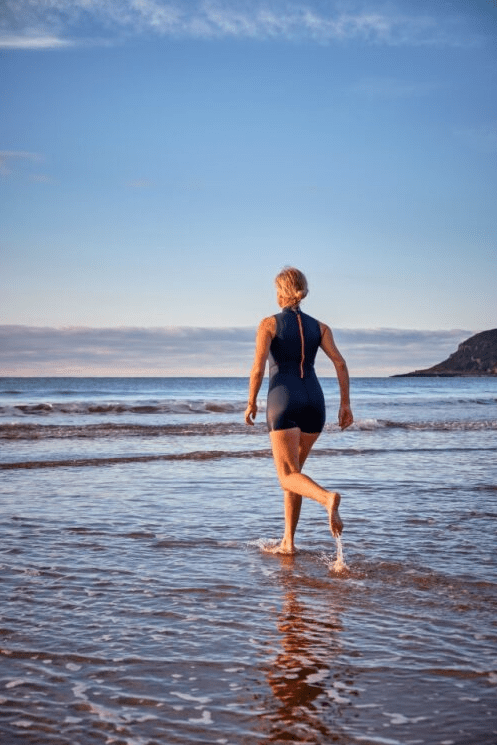
For other swimmers, it’s about spotting gaps in the market, identifying problems that don’t yet have a product to solve them. For example, year-round swimmer Elanor Wallis-Scott wanted something warmer than a swimsuit, so she created neoprene swimsuits for winter swimmers.
“I wanted something that was thin enough give you a little bit of protection without reducing the cold water benefits. And I wanted something quirky, fun and stylish that people felt beautiful in,” says Elanor, who runs her cottage-industry, Chilly Swim, from her home. “I also wanted to match the camaraderie that I felt when I went swimming with groups of women.”
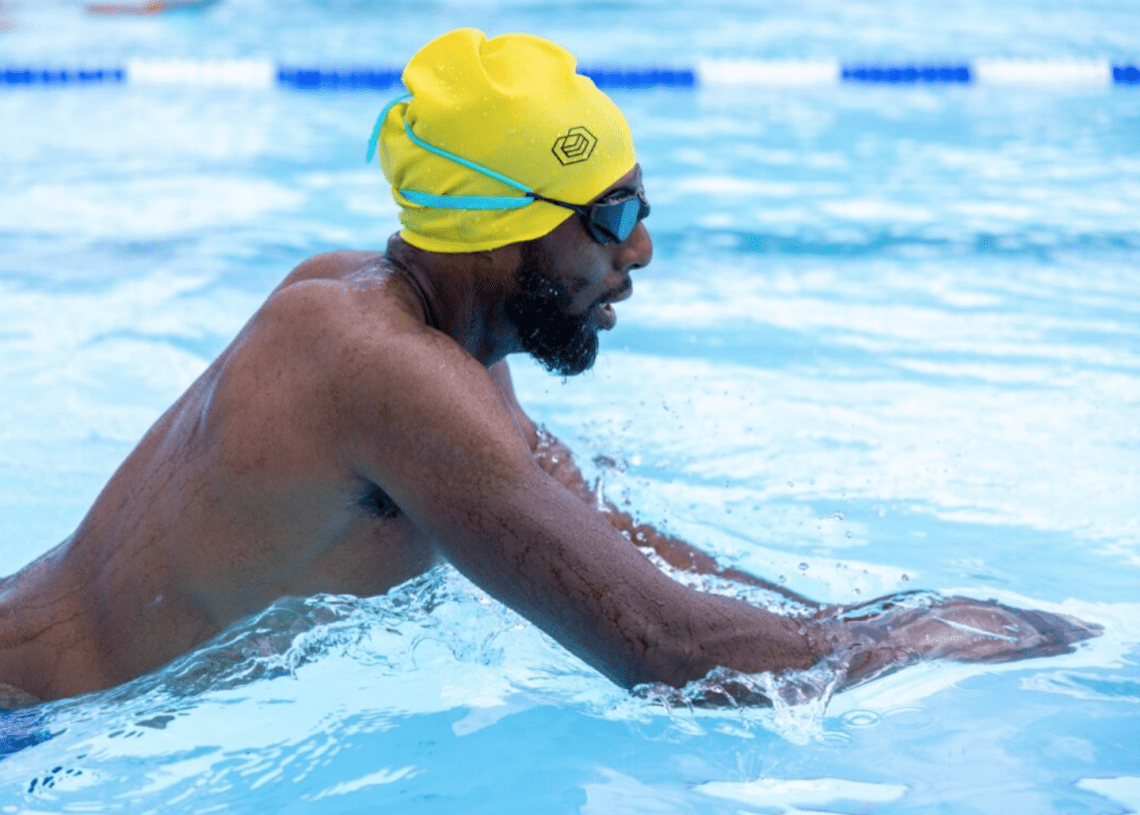
It’s the same principle for other pieces of swim kit. In 2017, best friends Michael Chapman and Tokunbo ‘Toks’ Ahmed set up Soul Cap to solve a specific barrier to swimming for people of colour. “We saw this woman who was really struggling with her swim cap and when we spoke to her, she told us the different things she had to do to keep her hair dry – even use Tesco bags and bin liners,” says Michael.
Soul Cap quickly became much more than brand selling swim caps for people with long or voluminous hair. It became a movement. Through its research and fund for swimming projects in underserved communities, Swim Proud, Soul Cap is helping more people access the amazing benefits of swimming.
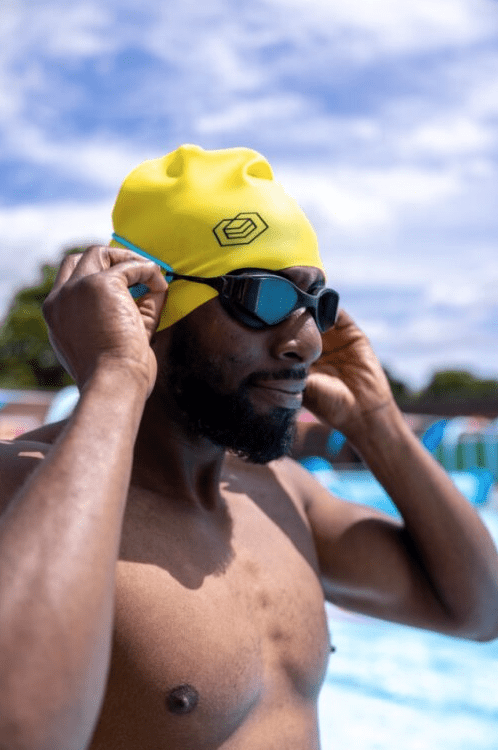
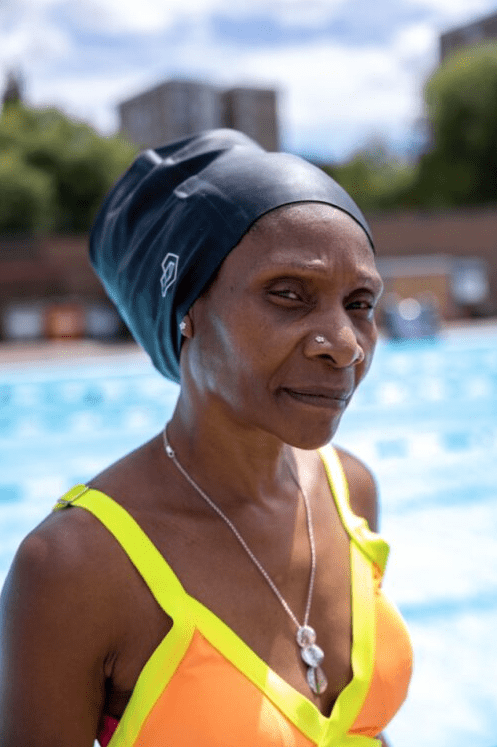
“While I’ve always been somewhat entrepreneurial, I didn’t think I’d ever have a swim brand and I didn’t think I’d ever be solving this issue around the barrier of voluminous hair and trying to keep it dry,” says Michael. “It’s been really insightful and I think probably one of the biggest things that I’ve noticed as a small brand is that while we started with this one issue, it’s just one barrier and there’s so many more barriers to swimming. It’s not just about hair. It’s also about skin. It’s about financial accessibility. It’s about physical and mental disabilities. There are so many more areas where we hope we can innovate in terms of products but also have a voice in.”
Swimming evolution
So, creating functional swim kit is instrumental in getting people into the water. But it’s just the beginning. From that first immersion, having the right kit allows us to explore, experiment and push our swimming boundaries.
It’s this principle that heralded the first swimming wetsuits. During the 1950s, three Americans independently experimented with the ‘second-skin’ wetsuit for divers and surfers – US Navy frogman, Hugh Bradner, diving instructor, Bob Meistrell and a name you might recognise, surfer Jack O’Neill.
But it wasn’t until the early 90s that swimming and triathlon wetsuits started being developed, meaning that rather than making do with a wetsuit designed for surfing, we could buy wetsuits that enhanced our swimming.
As outdoor swimming has grown in popularity, so too has the range, availability and scope of swimming wetsuits.
“We recognised that more and more people were taking up swimming, democratising the sport, leading to new demands, which we listened to, analysed, and sought a solution for,” says Itziar Castro from Orca. “Understanding the changing needs of open water swimmers has allowed us to improve our products and ensure they meet specific requirements and preferences.”
Brands that are passionate about outdoor swimming means that alongside highly technical triathlon wetsuits we can now choose tougher, neutral-buoyancy wetsuits designed for ocean explorers.
“We have wetsuits that are designed for triathletes and wetsuits that are designed for open water swimmers,” explains Will Walker from Zoggs, who launched their new wetsuit range this season. “There are many different ways in which people enjoy the open water. You’ve got triathletes, people who swim for performance training for competition or fitness, and those doing a recreational activity with their friends or for themselves to get some headspace. So, it was apparent that our range of wetsuits needed to cater to every type of open water swimmer.”
Freedom and opportunity
As Will explains the different features of Zoggs’ ten new swimming wetsuits, you start to understand how far we’ve come with swimming kit. Not only in fabric technology and manufacturing techniques, but also in our understanding of aquatics and how we enjoy open water.
A great example is the way wetsuit brands develop wetsuits for different bodies and different types of swimming. In their early days, men’s swimming wetsuits were adapted for women by changing the shape to accommodate breasts and hips. But female swimmers found that the added buoyancy on the chest and legs weren’t just unhelpful, but they actually caused lower back discomfort by lifting their legs and chests too high in the water.
“The market has been serving male triathletes, adding buoyancy to the thighs and hips and chest, when 85% weren’t from a swim background and swam with their legs sinking,” explains founder of innovative wetsuit brand, HUUB, Dean Jackson. “And then, when we did our research, we went to several clubs and did lots of bum watching and found that it was total opposite – 85% of women, if not even more, didn’t need the buoyancy at all.”
Going behind the scenes with brands like HUUB is a real insight into how much work and research goes into each wetsuit. Using a state-of-the-art system, every HUUB wetsuit goes through rigorous testing using the MAD System (Measuring Active Drag) to accurately measure each wetsuit’s performance.
Even creating new sizes in tried and tested wetsuits is an extensive process. For example, HUUB has spent the past two years working on new sizes for short curvy and tall curvy women in their popular Araya wetsuit.
The same is true for other swim kit brands. Once a product is designed, prototypes have to be made and tested, feedback collected, mistakes identified and fixed. Only then it can be launched and the true test comes in the form of sales and customer feedback.
“It takes two to three years before you start seeing any money back from a product because you’re always trying to catch up with orders,” explains Michael from Soul Cap. “Cash flow is always the most difficult thing to manage and also all the different ideas and plans that we have – there’s so much we want to do but only a limited amount of resources.”
The right kit
Swimming kit is important for so many reasons. And when you delve a bit deeper into the brands that make the stuff in our swimming bags (including the bags themselves), we start to understand how game-changing great kit can be.
It’s amazing to think about what can happen when a swimmer has an idea and runs with it. From enabling people to get into the water and empowering us to explore our swimming, to creating swimming communities and challenging the status quo, here’s to our swim kit.

Outdoor Swimmer
Outdoor Swimmer is the magazine for outdoor swimmers by outdoor swimmers. We write about fabulous wild swimming locations, amazing swim challenges, swim training advice and swimming gear reviews.