Executing hard sessions in the pool …the right way!
Tougher swim sessions are the engine room of swim performance – but they need intention, structure, mindset and execution, says swim coach Nicola Butler
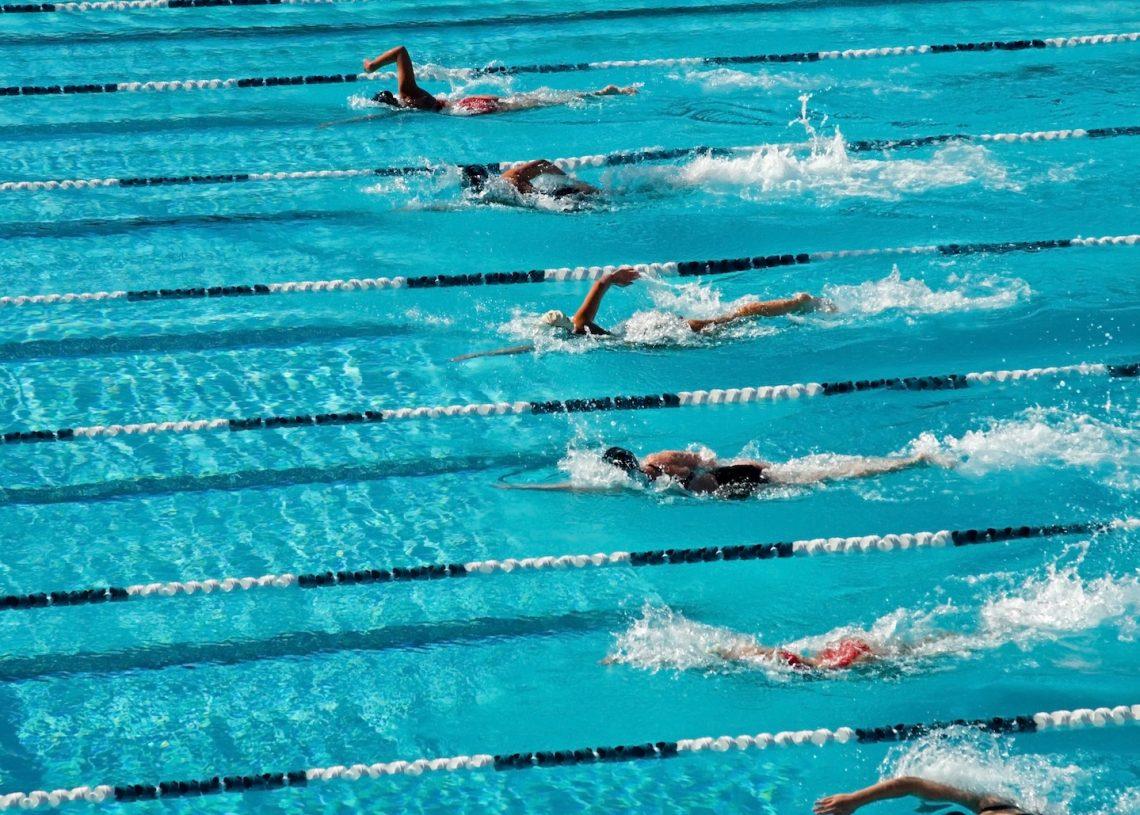
Hard swim sessions aren’t just about grinding until your arms fall off. They’re about intention, structure, mindset and execution. When you understand how to approach them, you can stop surviving tough sets and start owning them. The hard work will pay off, and systems/skills can be transferred and reflected in open water performance and events, too.
These tougher swim sessions are the engine room of swim performance. They build speed, endurance, resilience, and race‑specific conditioning. Unfortunately, most swimmers don’t struggle because the sets are too hard, they struggle because they approach them without a plan or adequate preparation.
Hard sessions will always reward swimmers who think as much as they push!
- Hard sessions have a very specific purpose – they’re designed to stress particular systems. That only happens when effort is controlled and repeatable.
- Effort matters more than numbers – chasing pace, power, or speed often leads to poor execution. The body adapts to the work you actually do, not the target you miss.
- Good hard sessions feel controlled, not chaotic – breathing is hard but stable. Form holds together. Effort rises and falls as planned.
- The session should still allow you to train again – if a hard session compromises the following days, it was probably too aggressive.
So, to get the most out of a hard pool session, you need to begin with a purpose. Ask yourself – what am I trying to get better at today? Hard sessions typically fall into a few categories: aerobic power – long, sustained efforts at threshold; anaerobic capacity – short, brutal bursts with long rest; race‑pace training – precise speed and precise rest; and speed endurance – holding form under fatigue. When you know the purpose, you know how to pace, how to breathe, and how to mentally prepare. Be sure to alternate hard days with technique or aerobic days and don’t chase perfection… chase improvement.
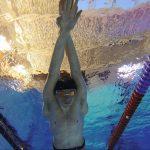
Nail your breathing and technique under stress – technique is the first thing to collapse when fatigue hits and that’s exactly why hard sessions matter. Try to focus on a high elbow catch (even when tired), a stable core to keep your hips high, controlled breathing by exhaling fully underwater and adopt a relaxed recovery – tension wastes energy. If you can hold form at high intensity, you’re training smarter than 90% of swimmers.
Fuel and recover like it matters – you can’t execute a hard session if you show up under-fuelled or dehydrated…
Before the session:
- Eat carbs 60–90 minutes beforehand
- Sip water or electrolytes
During the session:
- Use rest intervals to breathe, stretch your shoulders, and reset
After the session:
- Get protein and carbs within 30 minutes
- Stretch or use mobility work to reset your shoulders and hips
- SLEEP – the most underrated performance enhancer.

Hard sessions don’t make you fitter – recovering from them does…
Executing hard sessions isn’t about being the toughest swimmer in the pool. It’s about being the smartest. When you combine purpose, pacing, technique, and mindset, you transform hard sets from something you dread into something you dominate. This approach can only set you up for future success in each training session, help achieve your goals and allow you to confidently tear the water up in upcoming events.
Top tip: Master your pull
For fast swimming, you need to focus on keeping your elbow high. Here’s how to do it:
- Start by extending your leading arm the whole way
- With arm outstretched, initiate your pull by rotating your shoulder ‘inwards’ so your baby finger rises above your thumb (imagine you’re pouring from a teapot)
- Keeping your forearm, wrist, and hand stiff, begin to point your fingers towards the bottom of the pool
- As you pull, repeat shoulder above elbow, elbow above wrist, wrist above hand, hand above fingers
- Drawing your arm back, catch the water with your newfound paddle and keep your elbow high until your forearm is at 90 degrees. This is what you need to be aiming for: