pool training
COACH,  EXTRA,  FEATURES,  Premium,  September 2026,  Top Tips

How pool swimming can make you a better open water swimmer

Olympic swimmer Alice Dearing shares what can be gained in open water from work in the pool

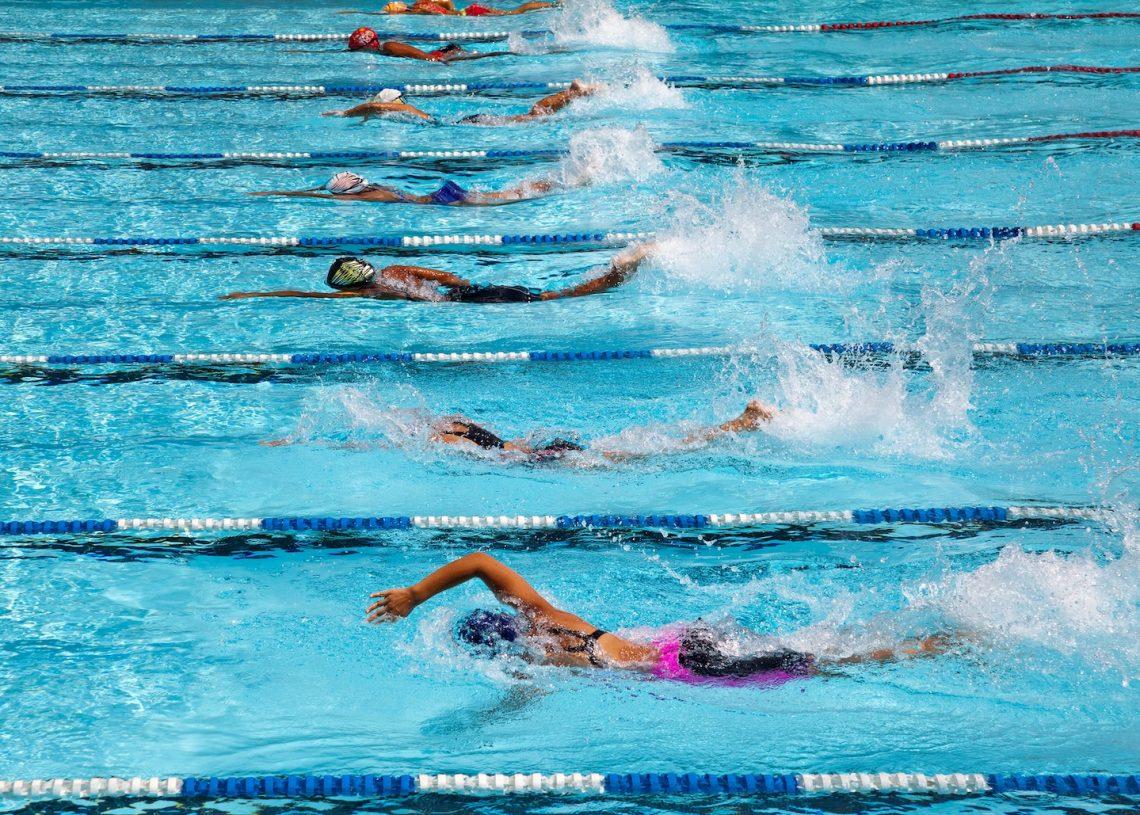
Pool swims are often inevitable when training for a major challenge or event as, unlike open water venues, they aren’t weather or daylight dependent. However, as open water swimmers, they can also be our least favourite ways of training: less space, poor lane etiquette and for some (so I am told), too warm!

But there is so much to be gained – even during the warmer months when open water venues are at their peak for us seasonal swimmers – from getting a steady pool regime up and running. As an elite open water swimmer, 99% of my training was done in the pool. The other 1% took place at competitions or a rare training camp where there were great pool facilities and a chance to swim open water. This is common for a lot of men and women who compete in these events at this level. In this article, I will talk you through the benefits of pool swimming and how you can make the most of a combined program to get the work done ahead of your swim.

Consistency

The one thing I was always grateful for with the pool is the consistency it allows for your training. You know that the pool doesn’t change length (it shouldn’t anyway…), it’s usually the same temperature and you can train at similar times of the day to build a routine into your daily life. All these factors allow for you to see continuous improvement over the coming months.

I suggest logging the sessions you do and the key times and paces you are hitting. Whilst it won’t be a perfect linear progression, you will start to see results if you stick to it. And, honestly, sometimes turning up and getting in the water is half of the battle. Keep pushing.

Education

The world of swimming is full of many different people who are always trying new things. A different drill, training set, technique, race strategy; there is always more to learn. By going to new places, you have more opportunity to discover them.

I have said in many of my articles that one of the strengths of the open water swimming community is the fact it is a beautiful, diverse and vibrant community. And this energy can be found at pools and lidos across the country. Speak to people, be inquisitive, observe. Now, not all the info you get will be helpful. Some of it may be completely useless for you and your goals, but that is also part of the learning process. Try something new out and see!

Technique work

Speaking of trying new things, the pool is the ideal place to try, fail and then succeed at building your technique. There are very few open water conditions I have been able to swim in and thought “Wow, I could definitely do some drills in this!”. Use the pool sessions in your regime to get that right. I suggest working in some technique work in your warm-up, making a point to focus on it during the key set and then also having a little bit of it in your swim down when you’re fatigued. Again, consistency and repetition is a foundation of swimming, so the more you pay attention to it, the quicker you will see improvement.

Trial runs

Speaking from the experience I gained at the very start of my open water career, pool and open water swimming can be like night and day. Aged 15, I naïvely thought that because I had managed an occasional 8km session in the pool that a 10km open water swim wouldn’t be too much more of a challenge. I was very wrong. However, this doesn’t invalidate the work that I had done in the pool. It just meant that it wasn’t quite enough to give me everything I needed for the swim. From here, I began to create training sets with my coaches which simulated parts of the race. E.g: 200m: dive target time 2:10, going off of 2:30, 5×800 at 40bbm off of 9:40, 10×100 build in pairs to max effort off of 1:20.

This was all to simulate a mini race, a fast start, a steady but quick race pace through the middle and then the last lap building to a sprint finish.

Have a look at what your weakest parts of your race might be and then see what you can do in the pool to help improve them.

Whilst pool swimming is much more confined (literally and figuratively) than open water swimming there are still a multitude of ways in which you can get value out of it. Stay creative and inquisitive!

Stay up to date with The Dip, our free weekly outdoor swimming newsletter.

Outdoor Swimmer is the magazine for outdoor swimmers by outdoor swimmers. We write about fabulous wild swimming locations, amazing swim challenges, swim training advice and swimming gear reviews.