
Beyond the pool: why strength training matters for swimmers
Why the swimming pool is the ultimate training environment – and why the gym should be part of every swimmer’s journey
For many people, the swimming pool within a leisure centre is simply a place to exercise, relax, or enjoy time with family. But for athletes, fitness enthusiasts, and anyone looking to improve their technique, it is one of the most effective training environments available. When combined with a well-equipped gym, the pool becomes the foundation of a complete fitness programme that develops strength, endurance, mobility and resilience, all of which support open water and pool-based swimming training goals.
More than just laps
Pool swimming is one of the few sports that challenges almost every major muscle group while remaining incredibly gentle on the joints (and the water remains warm all year round). Every stroke in the pool recruits the shoulders, back, chest, core, hips, and legs, creating a full-body workout that is difficult to replicate elsewhere.
Unlike high impact sports, pool swimming allows people of all ages to train consistently with a lower risk of injury. Whether you’re learning to swim, preparing for a triathlon, racing competitively, or simply looking to improve your fitness, the pool provides an environment where progress can be made safely and effectively. Don’t forget that with most leisure centres comes a lifeguard, swimming teachers, fitness instructors, and massage therapists to support an all-year-round holistic training approach.
Why every swimmer should use the gym in their leisure centre
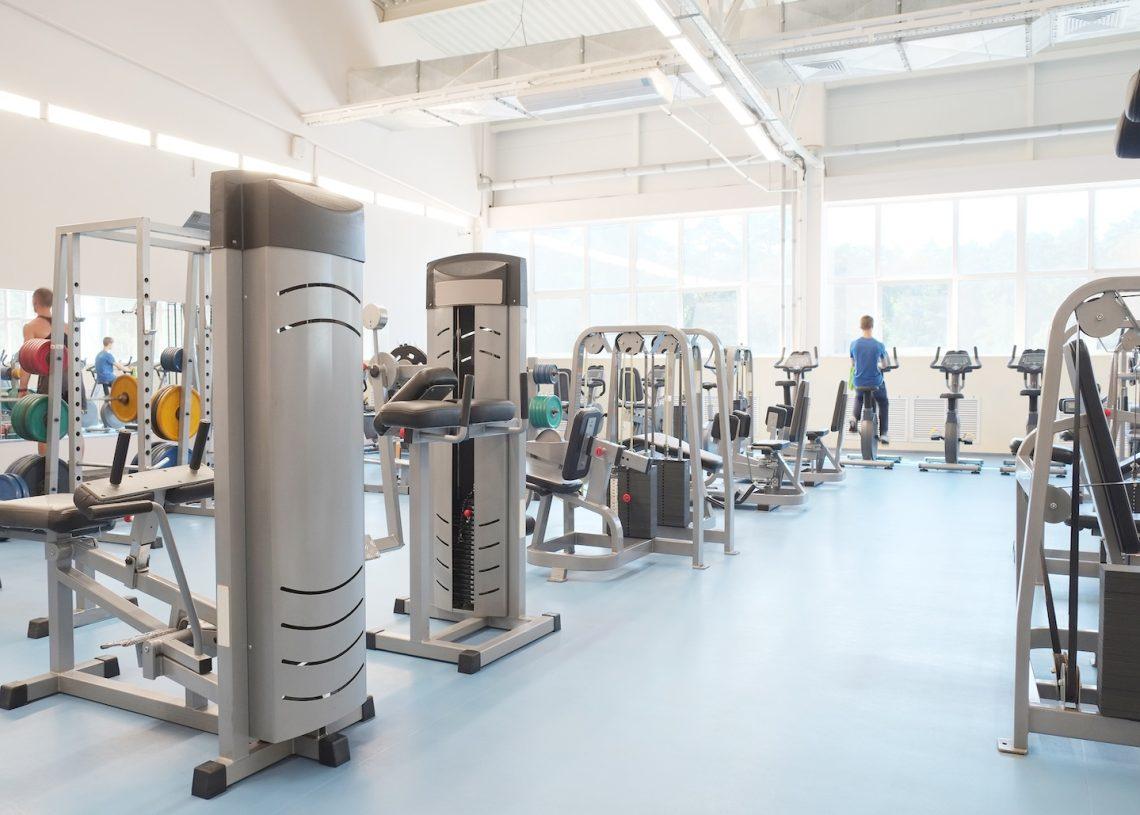
While pool swimming develops incredible endurance and technique, it has one limitation – it doesn’t provide enough resistance to maximise strength development. This is where the leisure centre gym and environment become invaluable.
Strength training has become an essential part of modern swimming programmes, from beginners through to Olympic athletes. It’s often neglected by endurance athletes with a fear of becoming ‘too bulky’ with muscle mass but it’s the knowledge of how and when to use the gym around long distance training that is key for performance to be enhanced rather than inhibited. Building strength on land allows swimmers to produce more power in the water while most importantly, reducing injury risk.
Benefits of gym training for all swimmers include:
Greater power
Stronger legs improve starts, turns, and kicking efficiency, while stronger upper body muscles generate more propulsion with every stroke. Perfect for sprints and long distance/endurance needs.
Improved core stability
A strong core helps swimmers maintain a streamlined body position, reducing drag and making every stroke more efficient.
Injury prevention
Exercises that strengthen the shoulders, upper back, and hips help balance the repetitive movements of swimming, reducing the likelihood of common overuse injuries. This is key for swimmers training long distances each week, too.
Better posture
Strength training improves posture both in and out of the water, leading to better stroke mechanics and everyday movement.
Increased bone density
Swimming is low impact, which is excellent for joint health but doesn’t stimulate bone growth as effectively as resistance training. Weight training helps maintain strong, healthy bones throughout life.
The ideal weekly combination
A balanced programme combines time in the pool with targeted strength sessions.
For example:
• 3-4 swimming sessions focusing on technique, endurance, and speed.
• 2–3 gym sessions developing strength, mobility, and injury prevention.
• 1 recovery session involving stretching, mobility work, or light swimming (yoga or Pilates both being good alternatives)
This approach allows each training method to complement the other rather than compete for recovery.
The leisure centre advantage
One of the greatest benefits of training at a leisure centre is convenience. Having the swimming pool, gym and classes studio under one roof makes it easier to follow a structured training plan without travelling between different facilities.
A typical session might include:
• Dynamic warm-up in the gym with some light shoulder mobility work
• A 45-minute swim session
• Strength training immediately afterwards
• Stretching or recovery work before heading home.
Everything needed for complete fitness is available in one place plus snacks or a café for fuelling needs during sessions. Remember to always keep hydrated, especially after swimming and on to another activity.
Top tip: join your leisure centre!
Thinking of joining a leisure centre? Make sure you book a free induction or consultation, which is typically standard with all new memberships. This gives you an opportunity to have an in-depth tour of the leisure centre as well as the gym and the machines, eliminating any potential fear of the ‘first gym visit’ on your own. If you’re lucky, most leisure providers throw in a free basic gym programme to get you started too. So, what are you waiting for? Head to your local leisure centre, explain your swimming and training goals and get that free induction you deserve to get you on your way!

Outdoor Swimmer
Outdoor Swimmer is the magazine for outdoor swimmers by outdoor swimmers. We write about fabulous wild swimming locations, amazing swim challenges, swim training advice and swimming gear reviews.


