

How to prepare for an extreme open water swim
As open water swimmers, we love to push our boundaries says Alice Dearing
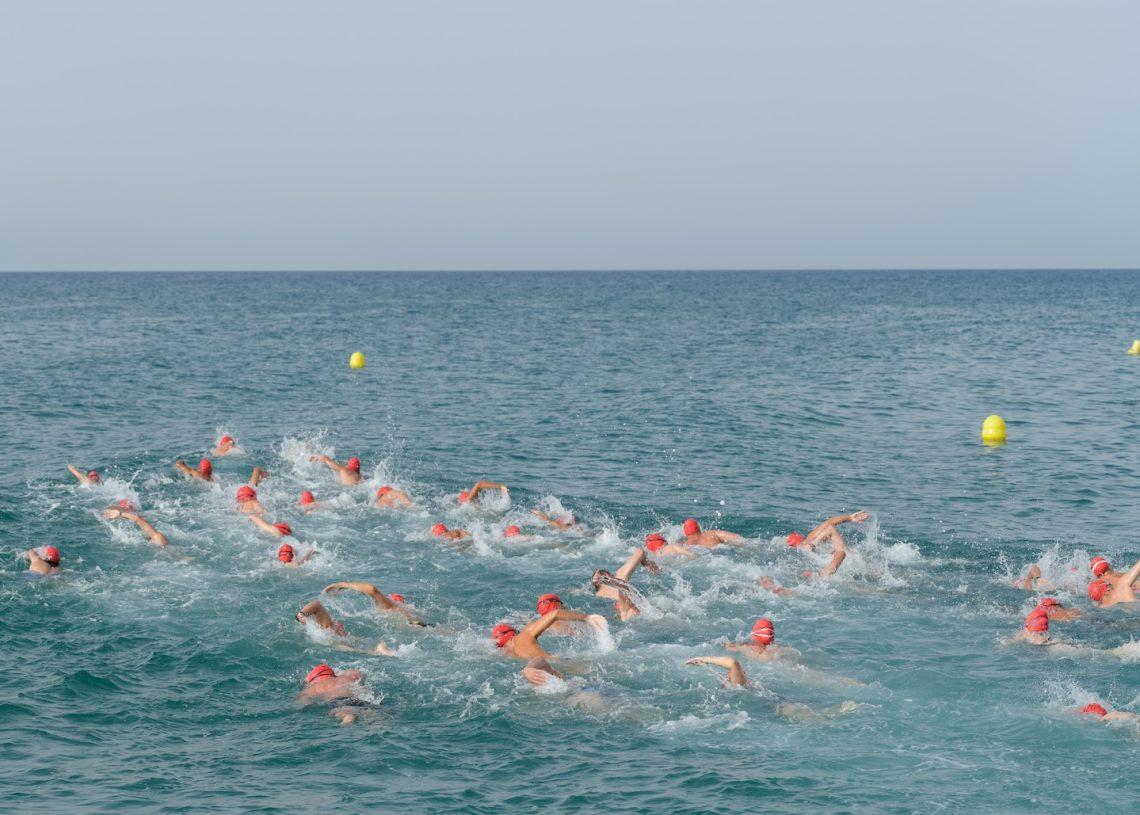
One of the many beauties of open water swimming is that there are countless places in the world which we can challenge ourselves to swim in. Be it in the middle of the Pacific Ocean, to the natural lakes in Switzerland and from the Arctic Circle to desert oasis. And, as open water swimmers, we love to push the boundaries of what our bodies are capable of. To explore the world through our strokes, set new records and contest existing ones.
The preparation for these swims is key and requires exposure to the elements to give ourselves the best chance of success; and as always, safety is key.
Exposure and acclimatisation training
This is as testing as it sounds. It is about putting yourself in the conditions that will be a challenge to you in a controlled and safe environment. This technique is used by swimmers on the elite stage, especially when preparing for water that is going to be warm (up to 31.0 degrees by World Aquatic rule). In preparation for the Tokyo 2020 Olympics, where the water was going to be 30 degrees at 6.30am I took many, many hot baths. To the point where for a few years afterwards I didn’t want to take a bath as I had begun to associate it with the acclimatisation training. (I think I have just about gotten over it…) Anyway, we did this as preparation; sought out pools kept at 29 degrees and worked to do hard training sessions in them to simulate the discomfort we would experience in the race. In doing all of this I had taken a tablet that tracked my internal body temperature to ensure we weren’t going into a state of hyperthermia.
Acclimatisation training can be as little or as much as you would like, and fit into your schedule. It can also be done on a budget, and very useful for swims where you won’t get a chance to trial the waters before the big day. Cold showers, plunge baths, saunas, steam rooms, hot pools etc. There are so many options when exploring the temperature factors of a swim.
When dealing with other factors such as water chop, current and tide. This becomes much more difficult to train for in the pool or a more ‘basic’ open water setting.
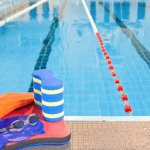
One way I would seek to tackle this with my pool training was using sponges/parachutes whilst on pull paddles. This overloads the shoulders and creates a huge amount of drag which you have to work against to get through the water; it’s similar to swimming through strong sections of tide. An added benefit to this is the patience it forces you to have as it easily puts 10-15 seconds on per 100m for me, which can be very true for some levels of tide and current, if not stronger, which leads me on to my second point…
Mental fortitude
With open water swims, it is very easy to often obsess over the metres, distance and volume and the physical benefits/challenges which this presents. However, strength of mind is absolutely crucial. Speaking from my own experiences, I found open water swimming hard and draining to my body and mind. However, I knew that it was a way of unlocking some incredible opportunities for myself so I found ways to overcome the negative thoughts. The key thing I told myself is that the sacrifices I am making for the sport are worth it, until one day, when I retired from that level of competition, they weren’t.
When training for an extreme environment, it will put you into places and states of mind that aren’t enjoyable to sit in. Of course, there is a balance of health and wellbeing here and it is so personal to the individual, which means you should only ever measure yourself against how you are feeling. Not the training of someone else. But when things do get tough, find the way through. For me, it was a reminder of the wider goal, and how all the small steps I was taking with each session added up to the success of it.
Safety
I cannot speak about swimming in extreme environments without mentioning safety – along with a call to do your research on the swim you are undertaking. Ask within the community, search online, connect with others. Whilst our sport is exciting, it does have numerous risks to life, which should be mitigated at all costs. As always, preparation is key and safety risks should be known about with the appropriate actions in place by yourself and your team.

Outdoor Swimmer
Outdoor Swimmer is the magazine for outdoor swimmers by outdoor swimmers. We write about fabulous wild swimming locations, amazing swim challenges, swim training advice and swimming gear reviews.