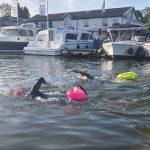


Love your local leisure centre!
Build a balanced training programme all in one place, says fitness coach Vivienne Rickman
For many years – quite literally since I was a tiny baby – the swimming pool was the only reason I ever visited a leisure centre. In fact, back then the pool was the only activity the centre offered.
As I grew older, the leisure centre grew, too. A sports hall and activity rooms were added, and over time a café and bar appeared (and later disappeared). Squash courts eventually made way for a strength and conditioning gym, all reflecting changing interests and trends in how people like to exercise and spend their valuable downtime.
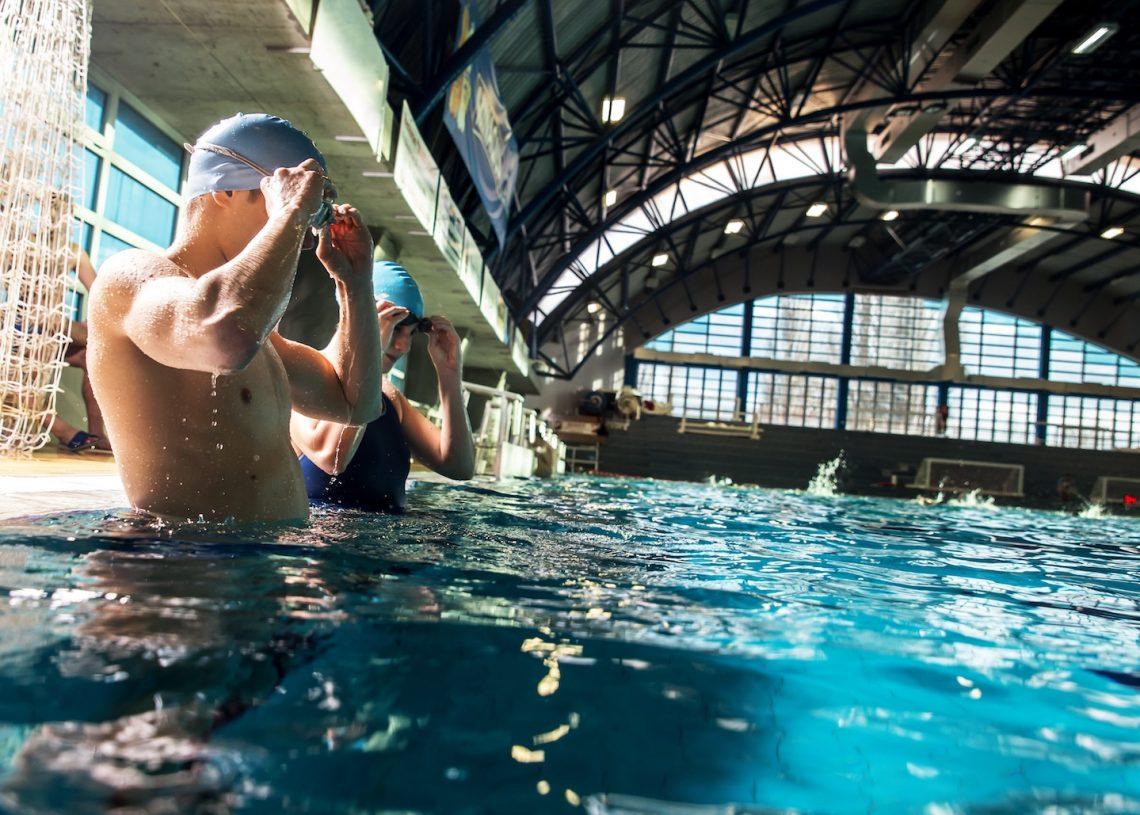
Whether you swim for fitness, wellbeing, or competition, the pool is undoubtedly a fantastic resource. However, most leisure centres offer far more than just swimming. By using the gym, fitness classes, and recovery facilities (if available) alongside your swim sessions, you can create a balanced training routine that improves strength, endurance, and mobility – and even boosts your performance the next time you swim outdoors.
A balanced training programme doesn’t need to be complicated. One of the biggest advantages of a leisure centre is that everything you need is available in one place, making it easier to plan and combine different types of exercise.
The pool
Swimming is, of course, excellent for developing cardiovascular endurance. It improves breathing efficiency and provides a full-body workout while being gentle on the joints. For many people, two or three swims each week are enough to build and maintain good aerobic fitness. By varying what we do in each session, we can maintain interest and continue to develop our fitness and technique.
Try including:
• 1 steady endurance swim
• 1 session made up of faster intervals
• 1 technique-focused swim
The gym
We now know how important strength training is, and including a couple of gym sessions each week can make a real difference in the water. Strength training helps develop the muscles that support efficient movement and can also reduce the risk of overuse injuries, particularly around the shoulders.
Gym sessions for swimmers don’t need to be complicated or involve seriously heavy lifting. Simple exercises such as squats, lunges, rowing movement patterns, and core work can build the strength and stability needed to maintain good posture in the water.
Try using resistance bands, light weights, or cable machines to create a well-rounded session. Even 30–40 minutes of focused strength work can have a real impact on your performance and overall fitness.
Fitness classes
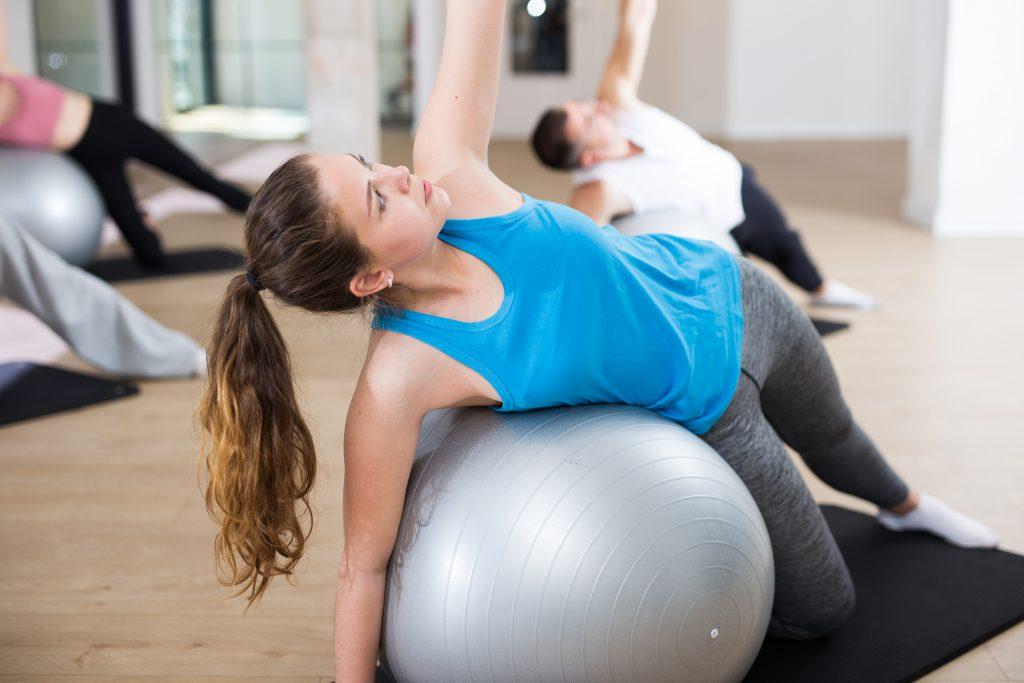
Another valuable part of a training programme is mobility and flexibility work. Many leisure centres offer classes such as yoga or Pilates, which complement swimming and strength training perfectly. These sessions help improve joint mobility, core control, and body awareness.
For swimmers in particular, better mobility through the shoulders, hips, and spine can lead to improved body position, smoother rotation, and a reduced risk of injury.
Personally, I love the social element that taking part in a class brings to my training. Both swimming and gym sessions can be quite solitary activities, especially when training hard. Exercising in a group environment can provide additional motivation and encouragement, particularly for anyone who finds it difficult to stay consistent when training alone.
Conditioning classes can also play a useful role in a training routine. High-intensity interval training (HIIT), circuit classes, or indoor cycling sessions provide a different type of cardiovascular challenge compared to swimming. Because these activities use different muscle groups and movement patterns, they can improve overall fitness without placing repetitive stress on the same areas of the body.
I also enjoy switching my classes around from time to time – don’t be afraid to try something new!
How do you fit it all in?
When you have everything available in one place, it becomes much easier to put together a balanced plan. A simple weekly structure might include two or three swims, one or two gym sessions, and one mobility or conditioning class. The exact balance will depend on your goals, available time, and personal preferences.
Don’t forget the sauna!
Leisure centres often provide spaces to slow down and recover. This might be as simple as taking time to stretch after a session, or enjoying facilities such as a sauna, steam room, or jacuzzi if they’re available.
Recovery is an important part of training. Giving the body time to adapt helps reduce fatigue and allows you to return to your next session feeling stronger and refreshed.
Besides… who doesn’t love a sauna?

Outdoor Swimmer
Outdoor Swimmer is the magazine for outdoor swimmers by outdoor swimmers. We write about fabulous wild swimming locations, amazing swim challenges, swim training advice and swimming gear reviews.