

Plan your own event training
The preparation needed for a 400m sprint in a pool would be very different from that required for a long-distance open-water sea swim. The more specific we can make our training, the better prepared we will be to succeed, says swim coach Vivienne Rickman
Where to start?
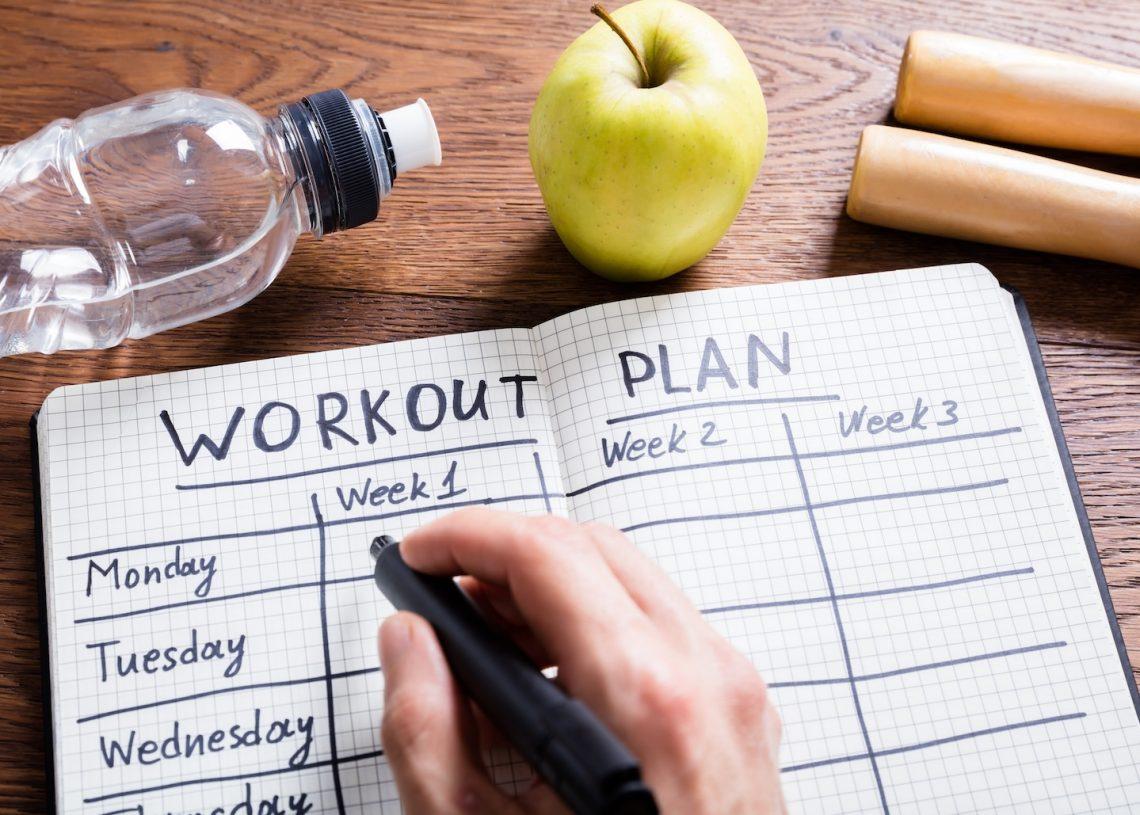
When planning our own fitness training, we need to work backwards from the challenge itself. This works far better than following a generic training plan because you can tailor your training to meet the demands you are likely to face on event day.
These demands, particularly in swim events, can vary greatly depending on the distance, environment, and how long we are going to be ‘in action’. The preparation needed for a 400m sprint in a pool would be very different from that required for a long-distance open-water sea swim. The more specific we can make our training, the better prepared we will be to succeed.
First, break the event down into its main parts How long is the swim/event? What is the environment like? What level of intensity is required?
Outdoor swimming in the UK generally involves cold temperatures, waves, or poor visibility, all of which place different physical and mental demands on us. Developing skills such as breathing control, pacing, sighting, and feeding strategies also becomes important. While what we do in the water is crucial, having a good dry land training programme to complement swim training can significantly help us. Activities such as running, rowing, cycling, or hill walking can improve aerobic endurance, while mobility and balance exercises can enhance coordination and body control.
Identifying weaknesses
Ask yourself: what is most likely to stop me finishing the event?
For some swimmers, the main challenge may be fitness, while for others it may be developing tired shoulders, poor front crawl technique, or a lack of confidence in open water. Identify your weakness and focus training on improving it. Resistance bands, rows, mobility exercises will all help with shoulder strengthening and fatigue, while steady cardio sessions can improve fitness.
Building a training structure
Work through your training in stages. Begin with a base phase that focuses on developing aerobic fitness, consistency, and movement durability. Training during this stage should feel manageable and sustainable rather than excessively intense. Dry land sessions might include bodyweight circuits, mobility work, yoga or pilates, and low-impact cardio such as rowing or cycling. This stage creates the foundation needed for more demanding training later on.
The next stage is the specific phase, where training begins to resemble the event itself. If you are swimming in the sea, practise in the sea, complete longer continuous swims, or rehearse nutrition strategies. Dryland training should also become more targeted. Exercises such as planks, squats, step-ups, rows, and rotational core exercises help improve posture, muscular endurance, and shoulder stability. Stair climbs, longer walks, or more intense circuit sessions can all help prepare the body for sustained effort and fatigue.
Improving technique
Technique remains one of the most important aspects of swim training. Small improvements in efficiency can save large amounts of energy. Breathing, body position, and timing of propulsion all influence how economically a swimmer moves through the water. Dryland exercises that support technique include shoulder mobility drills, breathing exercises, and core stability work, all of which help swimmers maintain strong body positioning and efficient movement. I personally have found yoga practice to be such a huge help to my understanding of breath control.
Recovery and adaptation
Recovery is just as important as training. Adaptation, which is the body’s way of repairing and strengthening itself, happens during rest. Sleep, mobility work, stretching, and recovery sessions all help reduce injury risk. Swimming is low impact, but the repetitive overhead movements involved in front crawl can place significant strain on the shoulders over time. Ultimately, effective training is about specificity. Every session should support the demands of the event. By combining swimming with targeted dryland training, swimmers can improve endurance, strength, technique and resilience, allowing them to approach their chosen challenge with confidence and preparation. Good luck!

Outdoor Swimmer
Outdoor Swimmer is the magazine for outdoor swimmers by outdoor swimmers. We write about fabulous wild swimming locations, amazing swim challenges, swim training advice and swimming gear reviews.