What cold water mastery really means
Colder, longer, tougher: it’s easy to assume that’s how progress in cold water is measured. Channel and Ice Swimmer Alice Goodridge, author of The Cold Water Handbook, argues that real experience looks quite different
Every winter, swimmers tell me how far they are planning to swim before they get in. Many are working towards winter distance challenges, which can be fantastic motivators. As a coach, what worries me is when someone glances at the distance on their watch and thinks, ‘I’ll just do another hundred metres’. Not because of how they feel, but because of the number.
That is the wrong measure. Cold water mastery is not about tolerating colder water or staying in for longer – it is about understanding how you respond to cold, making good decisions and knowing when to get out.
Why I wrote the handbook
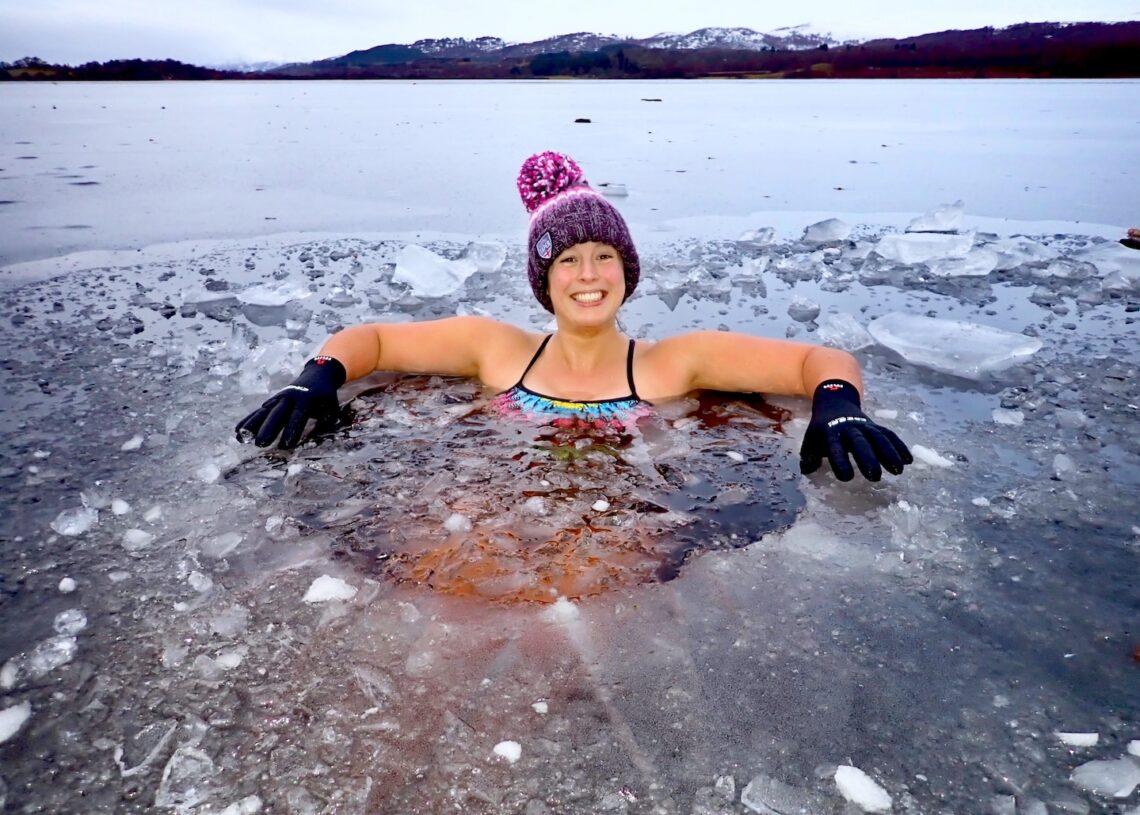
As a marathon swimmer, I swam the English Channel in 2012, later completed an Ice Mile (a mile in water under five degrees Celsius) and have swum the length of two of the longest freshwater lochs in Scotland. I thought I knew my body in cold water. Then my son was born, and that certainty went. I was exhausted, frequently ill and juggling childcare and work. When I did get in, water I once found manageable felt brutally cold, and I struggled to warm up afterwards.
For a long time I kept comparing myself with the swimmer I used to be. What helped was not a new rule, but letting go of the idea that my past capacity had to dictate my present one. I had to train with the life I had now, asking each day what was right for this version of me. It came back slowly and this September I swam the length of Loch Morar.
I don’t think that means I’m back to the swimmer I was. I think I’ve learned to be the swimmer I am now. That experience is part of why I wrote The Cold Water Handbook, but the book isn’t just my story. It is shaped by more than 800 swimmers who answered my surveys of the cold water community, alongside the best available research.
No universal formula
Water temperature is only one part of the picture. Sleep, illness, stress, energy, food, hormones, recent exposure and general health all play a part and the same person can feel completely different in the same water from week to week. So, copying someone else’s time or temperature tells you very little. Experience helps, but adaptation changes how cold water feels, not what it does to your body. It does not prevent hypothermia or afterdrop. Hence the book’s guiding phrase: ‘swim your own swim’.
In the water
The first minutes are about breathing. Cold shock brings an involuntary gasp and rapid breathing, which typically eases within two to three minutes. Entering slowly, never jumping or diving and letting your breathing settle before you swim helps you stay in control. Once the shock passes, attention matters most. As nerves cool, the cold can feel less intense even as your muscles cool and your judgement slips. I check in regularly, though not anxiously. Is my breathing steady? Does my stroke feel smooth? Can I feel my hands? Am I thinking clearly? Early changes matter more than dramatic ones.
Most swimmers find their own tell: a little finger that starts to drift, arms that begin to tire or a stroke that turns heavy. Mine is my lower back. When cold settles around my kidneys, I know it is time to get out. I have still got it wrong. In a mountain loch at around 5ºCs, I was so absorbed in filming with my GoPro that I stopped checking in and the violent shivering afterwards stayed with me. Now I keep better track of time, especially when the camera comes out. The best moment to get out is often when you still feel good and think you could stay a little longer. Feeling fine is not a reason to stay.
After the swim
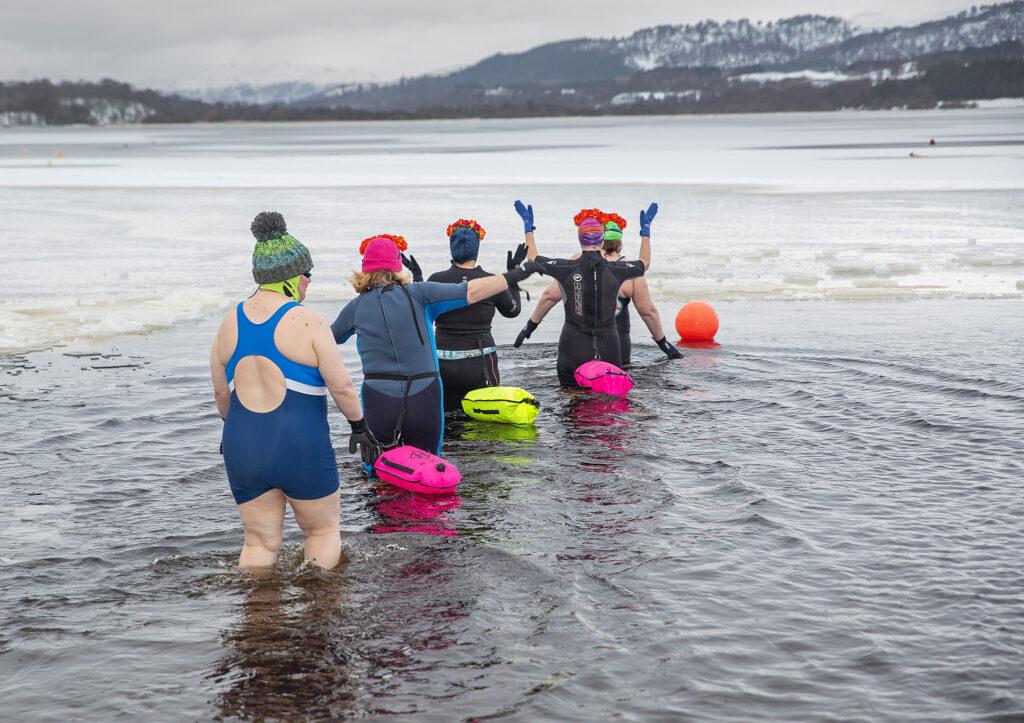
Core temperature can keep falling after you leave the water, often reaching its lowest point 10 to 30 minutes later. This is afterdrop, and it is why getting changed promptly into dry layers matters. No single rewarming routine suits everyone, so it helps to learn what your normal recovery looks like and to wait until you are properly warm and clear-headed before driving. In my groups, nobody is left getting changed alone. Someone can step out looking fine and be shivering hard 10 minutes later.
What other swimmers taught me
The variation between people and between swims was striking and some swimmers wished they had recognised their warning signs sooner. The pressure to stay in is rarely spoken. More often it is not wanting to be first out. As Donna from North Lincolnshire put it, “It doesn’t matter how long someone else can stay in the water or what they think you should do. Some days it will feel wonderful and others it’s horrid. Never ignore how you feel.”
Learning, not conquering
In the handbook I wrote that cold water is not something you master, but something you learn, in your own way, over time. Mastery does not mean becoming impervious to cold. It means becoming more observant, better informed and more willing to adjust. Deciding not to swim, shortening a swim, getting out while it still feels good: these are not failures. This is what experience looks like.
‘The Cold Water Handbook: The Experience, the Science, and How to Do It Well’ by Alice Goodridge is out now, £19.95. You can buy it online at coldwaterguide.com/handbook

Outdoor Swimmer
Outdoor Swimmer is the magazine for outdoor swimmers by outdoor swimmers. We write about fabulous wild swimming locations, amazing swim challenges, swim training advice and swimming gear reviews.