
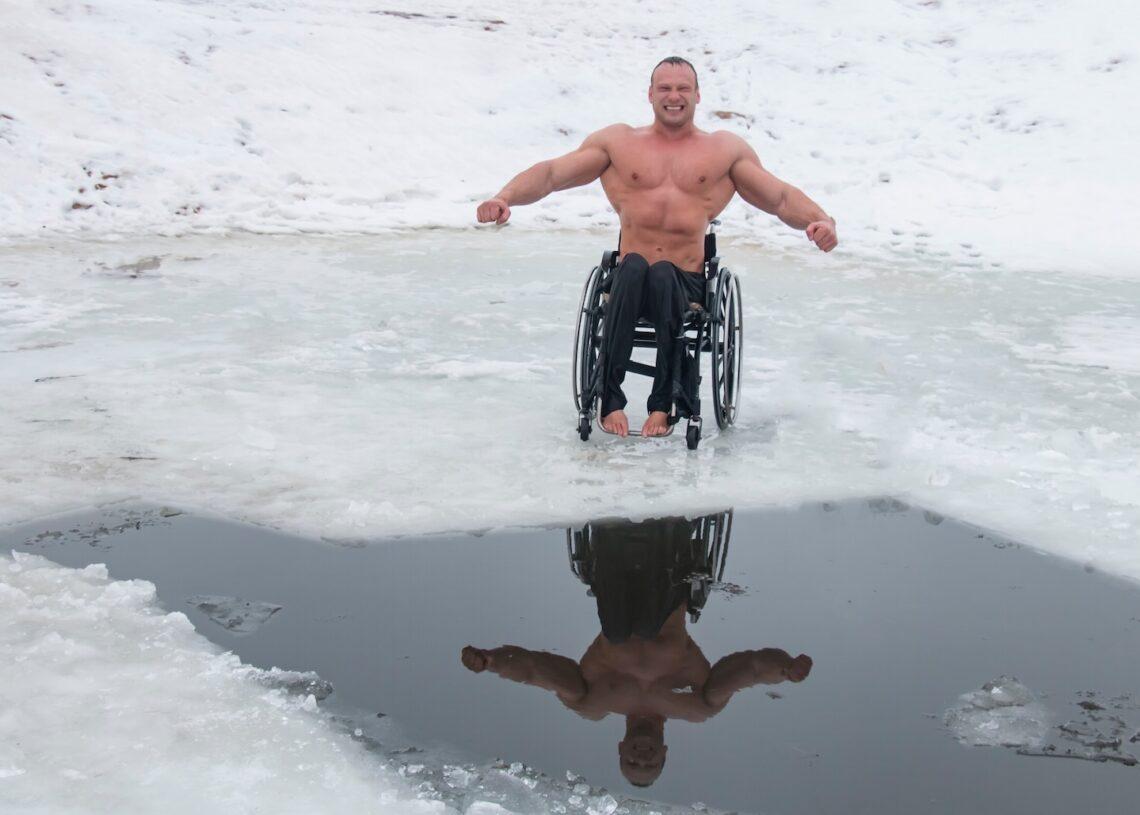
Where cold water meets the mind
“Cold water keeps us honest,” says adaptive swimmer Sophie Etheridge
Cold water has been on my mind lately. Studying psychology has made me think differently about what happens when we step into cold water – the mental shift, the physical shock, the quiet negotiation between instinct and intention. People often talk about “mastering” cold water, but I’m not sure mastery is really possible. We can train, acclimatise, learn our limits and stretch them, but nature isn’t something we get to control. And honestly, I wouldn’t want to. The cold is powerful precisely because it refuses to be mastered.
Research tells us that the first few seconds of cold exposure mirror our response to a threat. We catch our breath, gasp, our heart rate spikes, and somewhere in the middle of all that we find ourselves asking if we’re safe – or, in my case, briefly questioning my life choices. Experienced cold water swimmers know the feeling well. Over time we adapt, but never completely. It’s the point where panic would take over if we let it. Instead, it’s where we reframe, breathe, and quiet the noise.
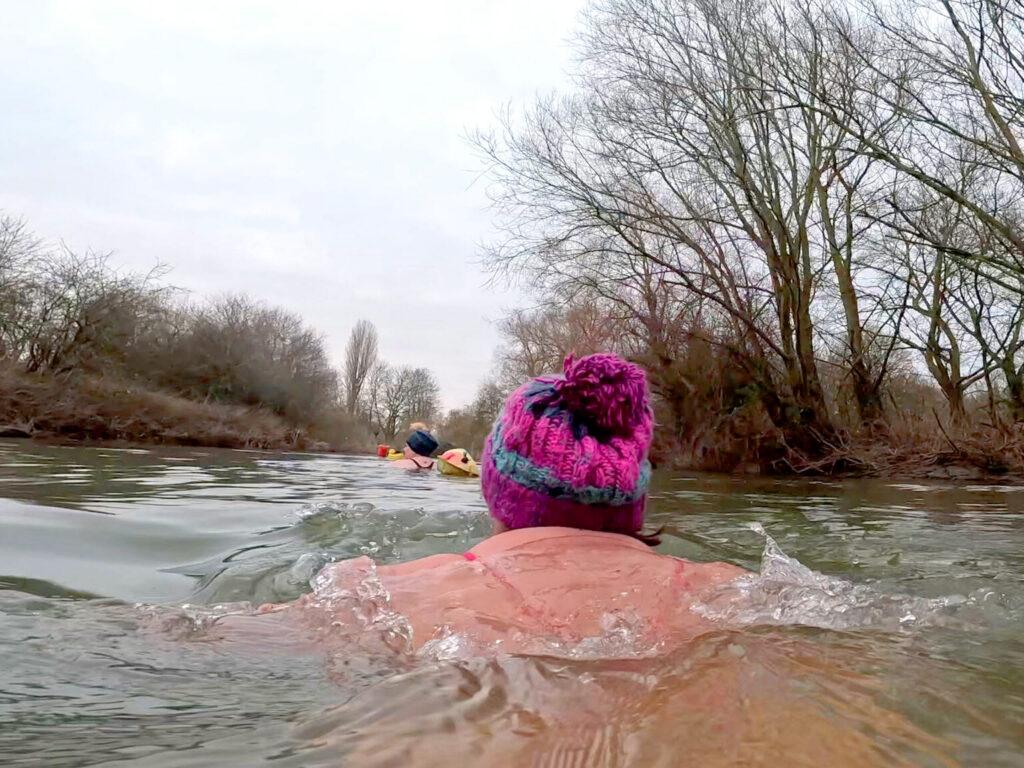
Physically, cold water is uncompromising. Every swimmer has their own rituals to steady themselves, especially in cold water where the environment demands our full presence. It strips away distraction. Other than managing our breath, it gives us a clarity that’s hard to find anywhere else. Even seasoned, well‑acclimatised swimmers can be surprised by a single degree drop, by wind chill, by fatigue, or by after-drop. Cold water keeps us honest. On days when it affects you more than expected, it’s a reminder that acclimatisation isn’t immunity; even accomplished ice swimmers can be caught out by the cold.
For swimmers with disabilities, honesty from the cold can feel even more intense. Cold water interacts with our bodies in ways that aren’t always predictable. For some, it reduces pain and brings a sense of calm; for others, like myself, it heightens sensations and increases pain – yet afterwards I still feel grounded. The cold tests our mental resilience, and it also tests the strategies we’ve built to navigate our bodies in the water. This is where I believe a different kind of mastery emerges. Not the traditional version built on speed, distance, or time, but a mastery rooted in awareness and adaptation.
Cold water swimming when you live with disabilities or chronic illness often requires more planning. Safe entry and exit points matter more and are harder to find. Stability is tougher when your legs are excruciatingly painful. Fatigue arrives more quickly. And rewarming isn’t just a routine like it is in the warmer months – it becomes one of the biggest parts of the swim. We become experts at reading the water because we have to. We notice the small things others often don’t: how a slight drop in temperature changes our body’s response, how wind impacts balance, how fatigue feels different in colder conditions. These aren’t weaknesses; they’re skills that come from living in a body that requires negotiation rather than assumption. They’re part of the relationship we build with cold water, one that is constantly evolving.
By knowing how our bodies and disabilities react in different temperatures, we learn to listen, to adapt, and to stop when we need to – and I feel that is its own form of mastery. It’s not the kind that will be celebrated or even noticed, but it’s the part that keeps us safe, keeps us swimming, and strengthens our relationship with cold water year after year.

Outdoor Swimmer
Outdoor Swimmer is the magazine for outdoor swimmers by outdoor swimmers. We write about fabulous wild swimming locations, amazing swim challenges, swim training advice and swimming gear reviews.