

Crewing through the night
Elaine K. Howley, usually our guide to the tides of swimming history, turns inward this month, exploring her mother’s final days through the raw, relentless lens of marathon swimming
Crewing is an all-in affair. You’re full-body, heart-and-soul, mindand- muster focused on supporting another person in achieving their goal. Crewing isn’t for folks who aren’t OK with some sleep deprivation or dealing with some puke. It’s not for people who can’t empathise with someone when they’re dealing with what can sometimes feel like near-insufferable pain. And it’s not for anyone who isn’t willing to stick it out until the bitter end if that’s what their charge requires.
Quite simply, crewing is hard, messy, but joyful work. And as I’m learning yet again, this aspect of marathon swimming parallels more gristly elements of real life; crewing can look a lot like supporting a loved one as they reach the end of their life.
This column usually focuses on the fun and foibles of open water swimmers through the ages as they’ve created adventures and carved paths through history. But that all feels very far away as I sit listening to the gentle gurgles of my mother’s waning life rattling through her frail frame.
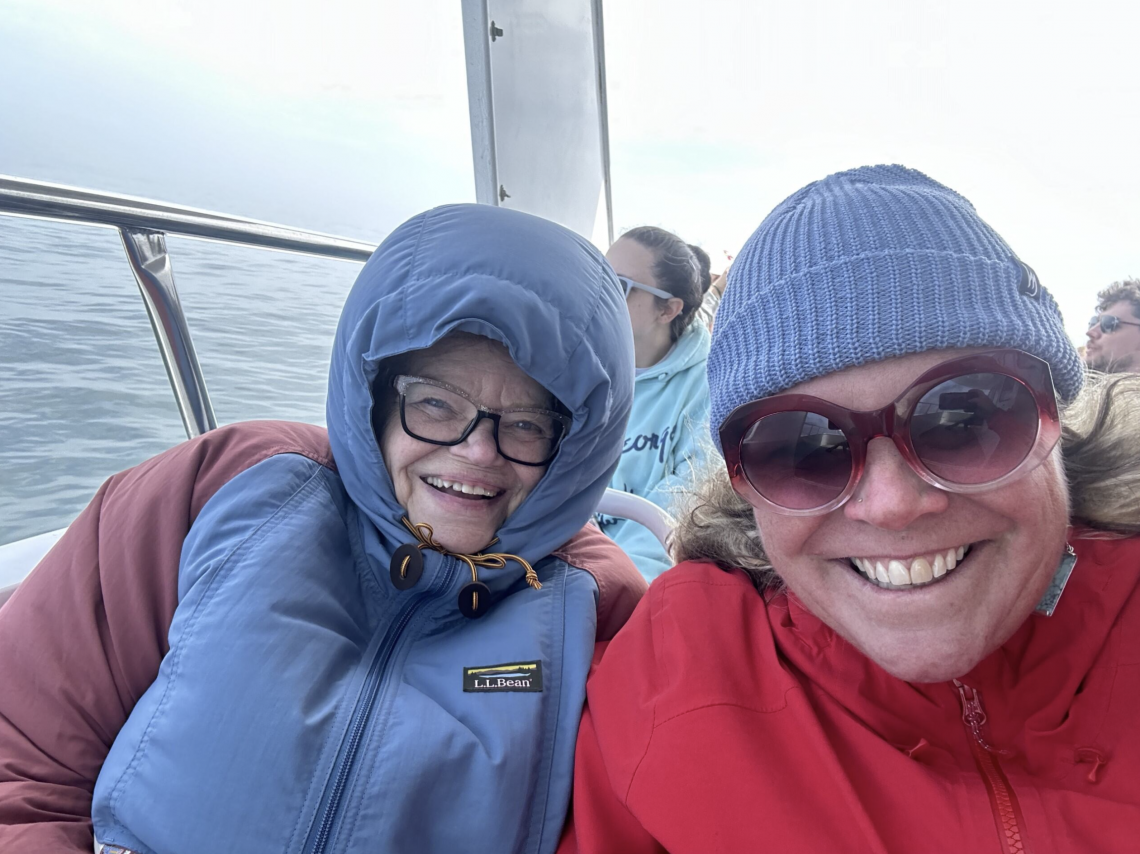
She was diagnosed with untreatable, end-stage pancreatic cancer on 3 April 2026 and 12 days later, as I lie beside her in her comfortable bed in a beautiful room in Waltham, Massachusetts, I grow more convinced by the minute, that with each laboured breath, she draws closer to the far shore.
The nights are long when you’re crewing someone you care deeply about. Watching them struggle against the surf and being unable to do much to ease their passage is draining.
Looking back as I lie still in the quiet next to her, though, I realise there were clear signals all along the way – bright green marker lights that she, “the swimmer,” had worn so we could see her, but that still failed to properly light the way.
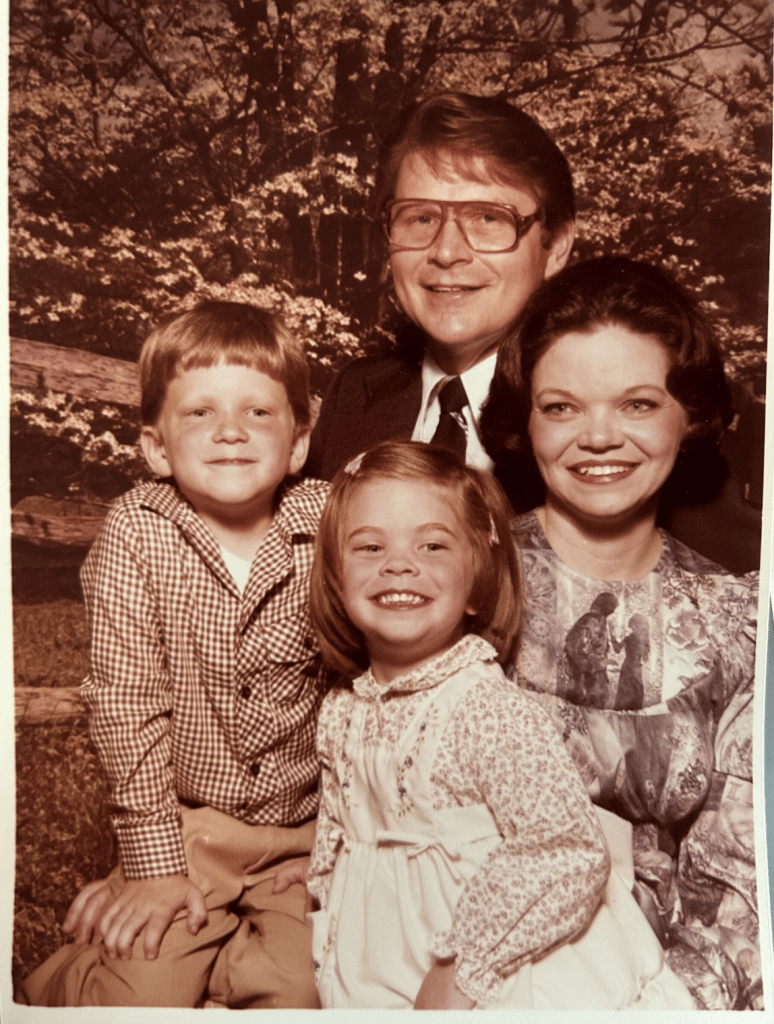
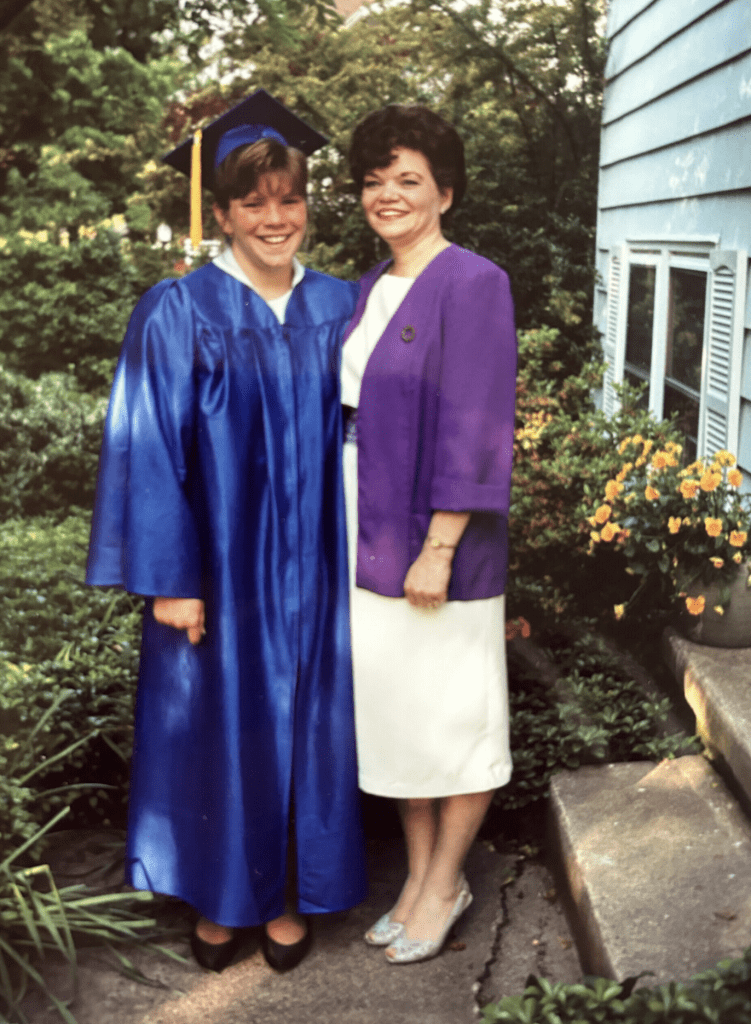
It started with difficulty keeping feeds down, so to speak. Mom subtly tapered off eating normally over a year ago. She’d had a knee replacement in January 2025, and afterwards, she was less interested in food. The doctor said not to worry – it’s common for people to lose weight after a joint replacement, and given that my mother had struggled to achieve an “ideal” weight since the birth of her first child, my brother, in 1974, there was palpable relief from all of her providers that she’d dropped some of those excess pounds. “Good job. Just keep swimming.”
Then came the minor aches and pains – the kind not unfamiliar to those traversing any long-haul journey. In July 2025, as we packed up her things to move her to an assisted living community nearby, she began complaining of a backache. She’d just gotten a new mattress and had been working hard to downsize her belongings, so she’d probably just tweaked something. But in an abundance of caution, her crew chief, i.e. me, took her to the doctor.
An X-ray confirmed mild arthritis in the spine. A few sessions with a physical therapist and a mattress topper resolved the issue, and mom happily settled into her new home. “Good job. Just keep swimming.”
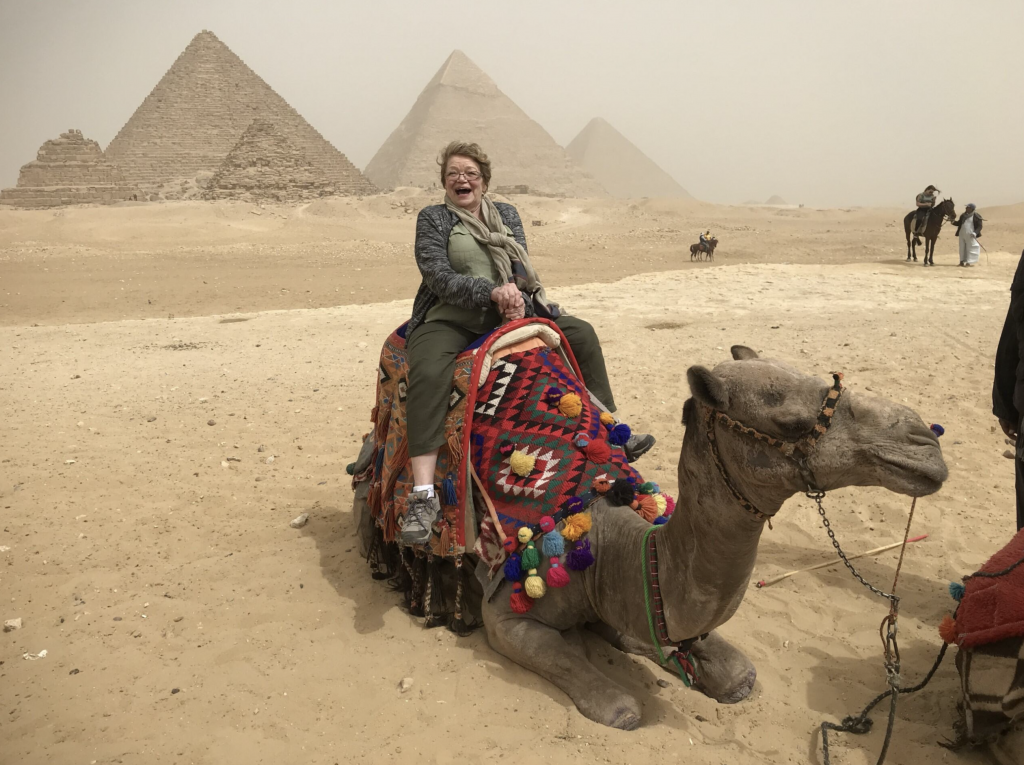
Her moving had been a concession to the inexorable fact that the three grandsons she’d helped raise from the comfort of my brother and sister-in-law’s home over the previous 13 years were mostly grown and going their own ways. Moving to a place where she had more social connection among peers proved a wise decision that helped alleviate some of the loneliness that had seeped in after her partner of five years, Phil, passed away in 2023.
But the “swim” continued, and before long, Mom was complaining of breathlessness. Not an uncommon issue when exerting oneself, but concerning in the context that she was doing chair yoga and walking to and from the dining room. Her pace had dropped a bit, and I worried that her stroke rate had fallen, too.
So we investigated by launching into a full cardiac workup that resulted in a crystal-clear bill of health. “Absolutely nothing to see here, folks,” the doctors told us. “Good job. Just keep swimming.”
She was happy, ticking along, one arm in front of the other just like she was supposed to. We noticed some cognitive changes along the way, and as they worsened, we pursued a dementia diagnosis. The worry over how we would possibly pay for the anticipated 10-plus years of memory care that might lie ahead loomed larger than Cap Gris Nez on a clear day. But my brother and I determined we would figure it out – capable crew who care about their swimmer always do.
But then, in late March came the gastrointestinal issues. Mom landed in the emergency department the day after I returned from my mother-in-law’s funeral in the UK. Two days later, a biopsy dropped all the puzzle pieces into place: she had end-stage pancreatic cancer. The surgeon placed a stent to open the bile duct, which immediately improved the GI problems and reduced the cognitive issues – no doubt a symptom of how poorly her liver was functioning by then, riddled as it was with metastatic tumours.
Almost immediately, Mom rallied. She was back to her bright, shiny, funny self. For a little over a week, Mom happily sang and danced with the men at her community and resumed forward progress. “Good job. Just keep swimming.”
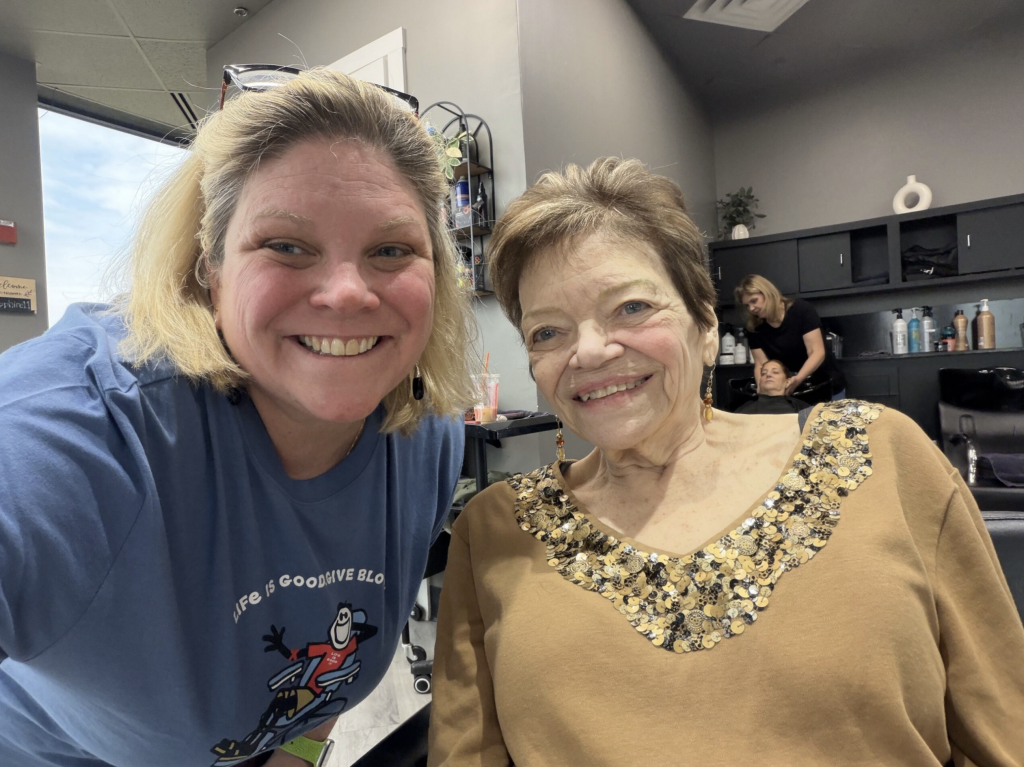
Until suddenly, she began drifting away from the boat. She was confused again. The GI symptoms returned. She began vomiting, and then, in a blink, the extreme pain set in.
I began writing this as a means of coping with the intolerable while lying with her. Acutely aware that I was unable to swim this last section for her, there was little I could do but cheer for her, comfort her, and love her as the water shallowed alongside each breath.
She died on 15 April 2026 shortly before 11 in the morning. She’d reached the other side, the sand grazing her fingers as she took her last stroke.
The forecast was she’d have six months of smooth sailing to her destination, but as any Channel swimmer knows, seldom does the forecast comport with reality. The best we can hope for is that, in the dark of night when the noises are louder and the path obscured, our crew does their best and loves us to the very end.

Outdoor Swimmer
Outdoor Swimmer is the magazine for outdoor swimmers by outdoor swimmers. We write about fabulous wild swimming locations, amazing swim challenges, swim training advice and swimming gear reviews.