

Swimmer’s Ear: why it happens and what to do about it
Dr Hussain Al-Zubaidi shares his expert guidance on Swimmer’s Ear, including why it happens and how to treat and prevent it
Sponsored content
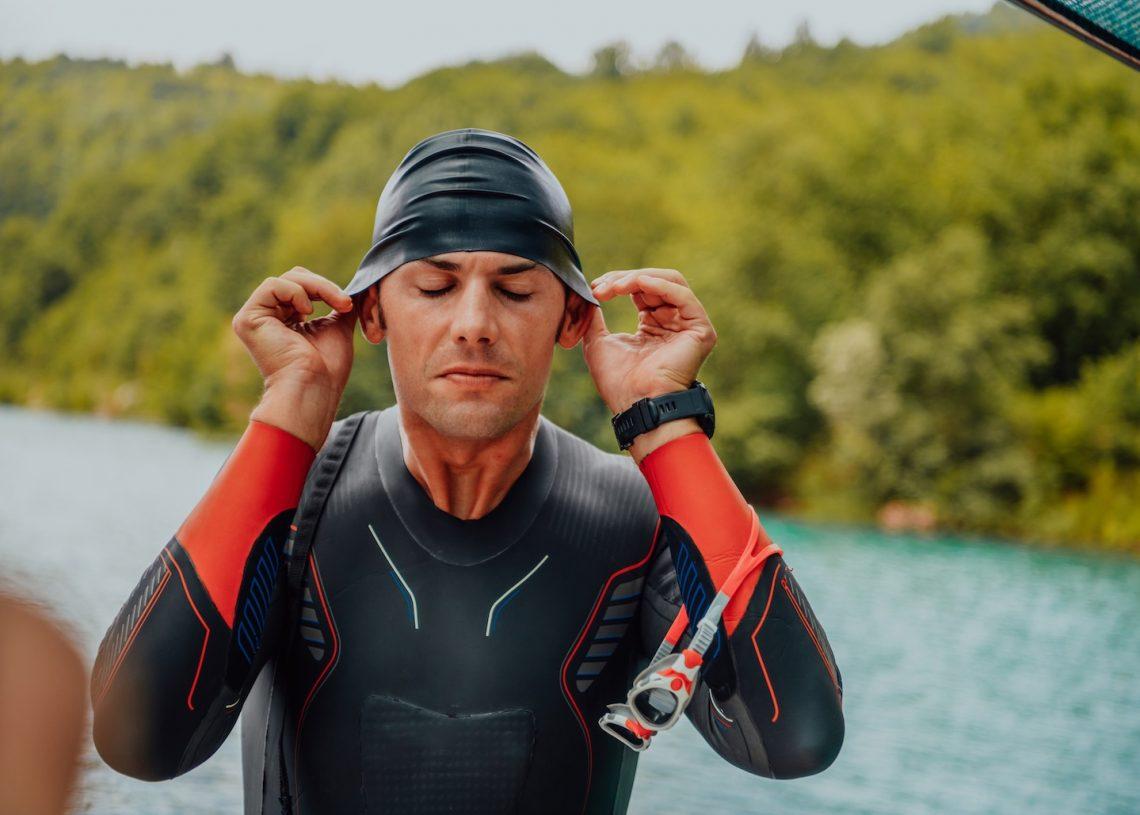
For many outdoor swimmers, ear discomfort is an occasional but unwelcome companion to time spent in the water. The most common cause is otitis externa, often known as swimmer’s ear. While usually mild, it is best to treat it early.
Why swimmers are at risk
The outer ear canal is a delicate environment protected by a thin layer of wax and slightly acidic skin that helps prevent bacterial growth. Frequent immersion in water can disrupt this natural barrier. When water remains in the ear canal, the skin becomes softer and more vulnerable to irritation. Bacteria or fungi can then multiply, particularly if the ear canal has small scratches from cotton buds, fingernails or earplugs. Open water environments can also contain microorganisms, and polluted water may increase the risk of infection. However, swimmer’s ear can occur after swimming in any setting : rivers, lakes, the sea or pools.
Early symptoms to watch for
Catching swimmer’s ear early can prevent it from progressing.
Common early signs include:
- Itching inside the ear canal
- Mild ear discomfort or tenderness
- A feeling of fullness in the ear
- Slight redness around the ear canal
- Clear or slightly cloudy discharge
If inflammation progresses, pain may increase, particularly when touching the ear or chewing. Hearing may also feel muffled if swelling narrows the ear canal.
Treatment options in the UK
For mild cases, early treatment can often be managed with pharmacy treatments designed to help the ear canal’s natural environment and control infection.
Ingredients sometimes used in ear treatments include:
- Acetic acid ear spray or drops, which helps restore the ear canal’s natural acidity and create conditions that inhibit bacterial growth
- Aluminium acetate, which helps reduce inflammation and irritation
- Hydrocortisone, a mild steroid sometimes combined with other agents to reduce swelling
- Antibiotic ear drops, which may be prescribed if a bacterial infection becomes more severe
- Antifungal treatments, used when fungal infection is suspected
Most uncomplicated cases improve within several days when treated promptly.
When to seek medical advice
Swimmers should seek medical advice if:
- Symptoms persist beyond a few days despite treatment
- Pain becomes severe
- There is significant swelling or hearing loss
- Discharge becomes thick or foul smelling
- You have diabetes or a weakened immune system
A clinician may examine the ear canal and prescribe stronger medication if required.
Prevention for swimmers
The simplest prevention strategy is to keep the ear canal healthy and avoid irritation. Practical tips include:
- Allow ears to dry naturally after swimming
- Avoid inserting cotton buds or objects into the ear canal
- Consider tilting the head to drain trapped water after a swim
- Avoid swimming in water that may be polluted
With early recognition and sensible care, swimmer’s ear is usually straightforward to treat so you can get back to the water quickly and comfortably.
EarCalm Spray

EarCalm Spray is used for the treatment of minor infections of the outer ear.
It contains the active ingredient acetic acid, an antibacterial agent that helps clear these types of infections.
Acetic acid works to prevent the growth of bacteria which can cause outer ear infections, which in turn helps to reduce symptoms of pain and inflammation.
Suitable for use at the first signs of infection, EarCalm Spray is available over the counter without a prescription in pharmacies.
Earcalm Spray is used for the treatment of minor infections of the outer ear. It contains the active ingredient acetic acid, an antibacterial agent that targets the bacteria causing the infection, helping to relieve the symptoms. Always read the label.
Find out more at earcalm.co.uk

Outdoor Swimmer
Outdoor Swimmer is the magazine for outdoor swimmers by outdoor swimmers. We write about fabulous wild swimming locations, amazing swim challenges, swim training advice and swimming gear reviews.