

Deep water
Siana Bangura tells Rowan Clarke how she uses water to reflect the complexities of being human
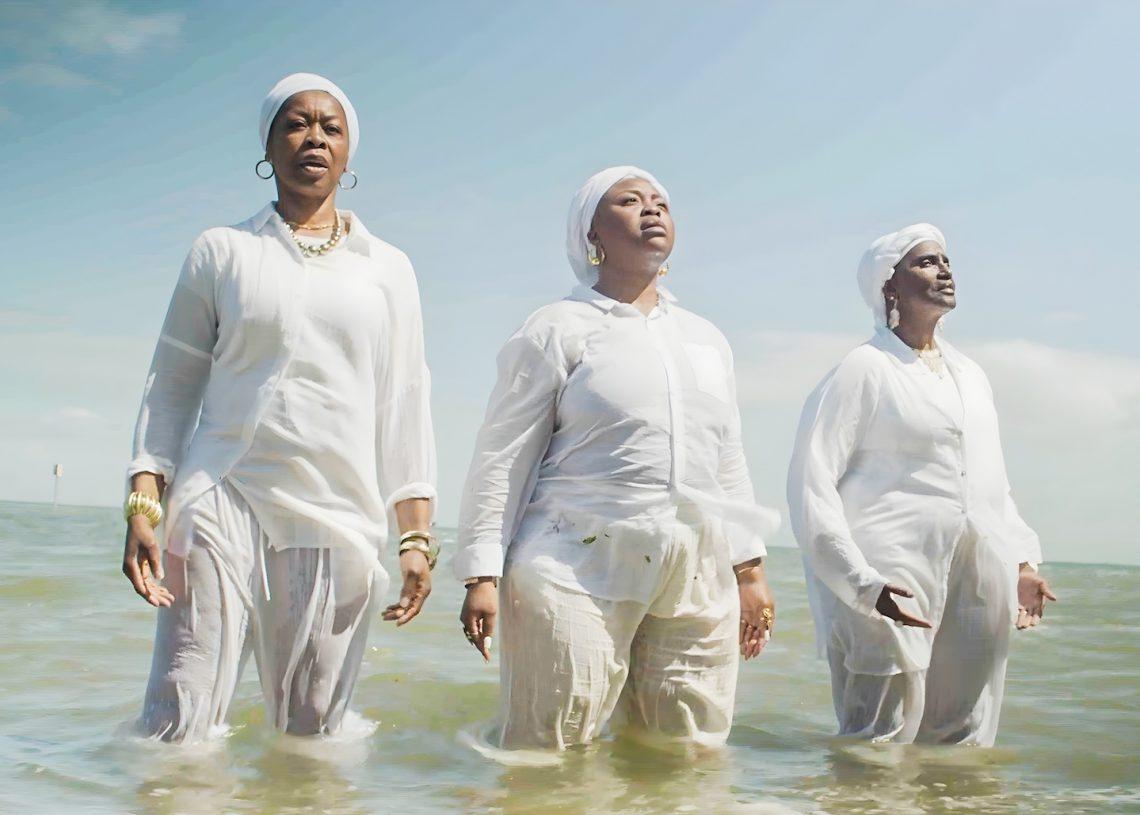
Three women clothed in white stand together, the sea lapping around their waists, their story unfolding with the waves.
This is Siana Bangura’s unique storytelling in her upcoming short poetic film, The Waves, which explores the complex relationship between Black people and water.
The Waves isn’t Siana’s first dive into this subject. Her critically-acclaimed stage play Swim, Aunty, Swim! is about three women in their seasoned years who learn to swim together, gaining so much more than swimming skills along the way – “learning that you’re never too old to be reborn, to reinvent yourself, to find yourself again, to change and transition.”
We spoke to the award-winning poet, writer, producer and performer about how she draws on her personal experiences and cultural heritage to bring together themes of strength, identity, healing and social justice through the motif of water and the art of storytelling.
Deep water
Siana’s fascination with water, its literal and symbolic meaning, and our relationship with it, is at the heart of her work. For Siana, water is a motif for the human experience, as an element, an essential, an everyday presence and as a contested human right.
For Siana, water offers endless creative possibilities. It can embody fluidity, adaptability, danger, healing, light, dark and lessons about humility, power, and transformation.
“There’s something about the fluidity of water, the way it can change and evolve and adapt; the vastness of it,” she says. “It can be a threat and a danger, but it also can heal. The way that it can do all those things, and how it has so many different meanings across different cultures, the way it’s so everyday, but also so sacred, is endlessly interesting to me. So, as an artist and as an observer of people of the world, it gives me a lot to work with.”
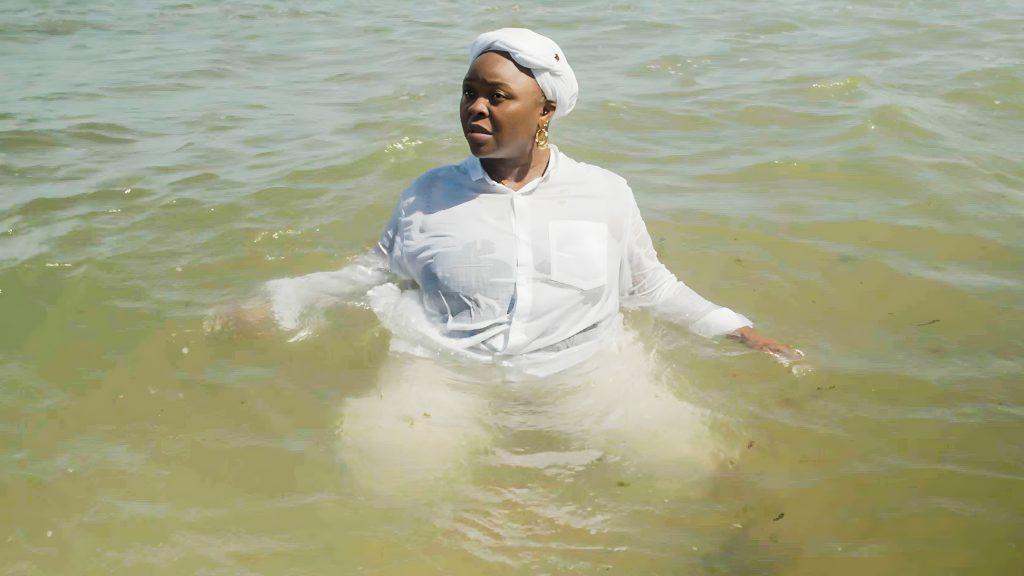
“Across West African and global south cultures, and in European lore as well, there are these water creatures, goddesses and gods. One of them is Mami Wata, who for me, is such an interesting embodiment of darkness and light,” says Siana. “In parts of West African lore, she’s a threat, particularly to men, you know, and she protects women. And so already, I’m here for her.”
Cultural significance
As both protector and threat, Mami Wata’s powerful, dual nature resonates, reflecting a meeting of the spiritual and pedestrian.
“I think a lot of people from the global majority, even those who think it’s all a bit woo-woo, are innately in touch with folk lore, maybe because it’s been drilled into our heads by our families,” she says. “Across my work, I’m really interested in how we bring those ancestral traditions, that other worldliness and enmesh it with the everyday, the mundane, the pedestrian.”
That complex relationship between people’s spiritual and corporeal lives is intriguing. In Swim, Aunty, Swim!, it’s the practicality of learning to swim alongside the emotional, inner worlds of the characters and their relationships. In Siana’s own life it’s equally nuanced, and equally reflected in her own feelings about water.
“What I love about water is how it brings me peace because it reminds me, very helpfully and humbly, that we are but a dot,” she says. “That humbling experience is really important, especially when you’re someone who has to carry a lot. As a swimmer, you float – forget what the pseudoscience says, we all float and the weightlessness removes some of the weight from your shoulders, from the world for just a moment, and that is everything.”
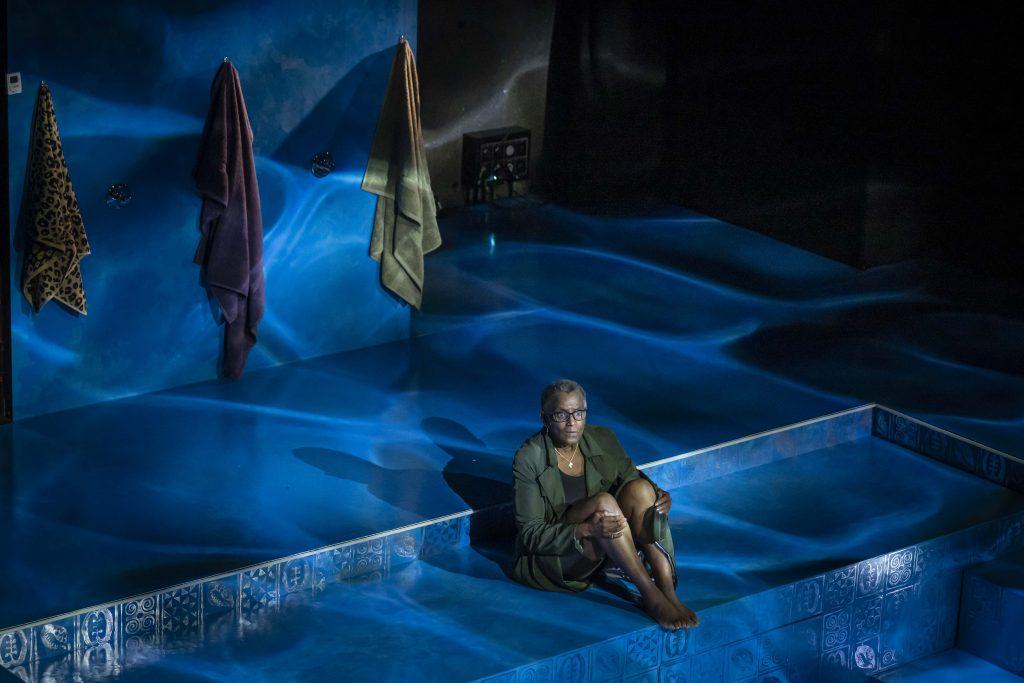
Siana loved swimming as a child, but a near-drowning experience ruined her relationship with water until she took up adult swimming lessons later in life. She says that while she’s a decent swimmer, she’s not the most confident, and so her work with water also helps her personal growth.
“I want to feel that I am a strong swimmer by the end of this decade,” she says. “I want to feel comfortable in open water. I actually swam in the ocean earlier this year in Thailand and it was terrifying, but I did it, so I’m getting there.”
Darkness and light
Striving for a better future is a true strength of Siana’s character, and despite having experienced hardship and worked with people in their darkest moments, she is adept at finding joy.
“I think I’m very much a master of being able to hold the darkness and light at once, because how else do you survive in a world like this?” she says. “I think you have to be joyful and hopeful in order to persevere, believe that we can do better, and that a better world is very much within our grasp.”
This strength also means that she creates vibrant, dynamic characters who reflect both the light and dark of the human condition.
“I’m really committed to that fullness of the human condition and showing that we can hold multiple things at once,” she says. “I get to know my characters. I spend time with them. They become real to me – if you’re not a writer, that sounds insane, but I love my characters as if they were real.”
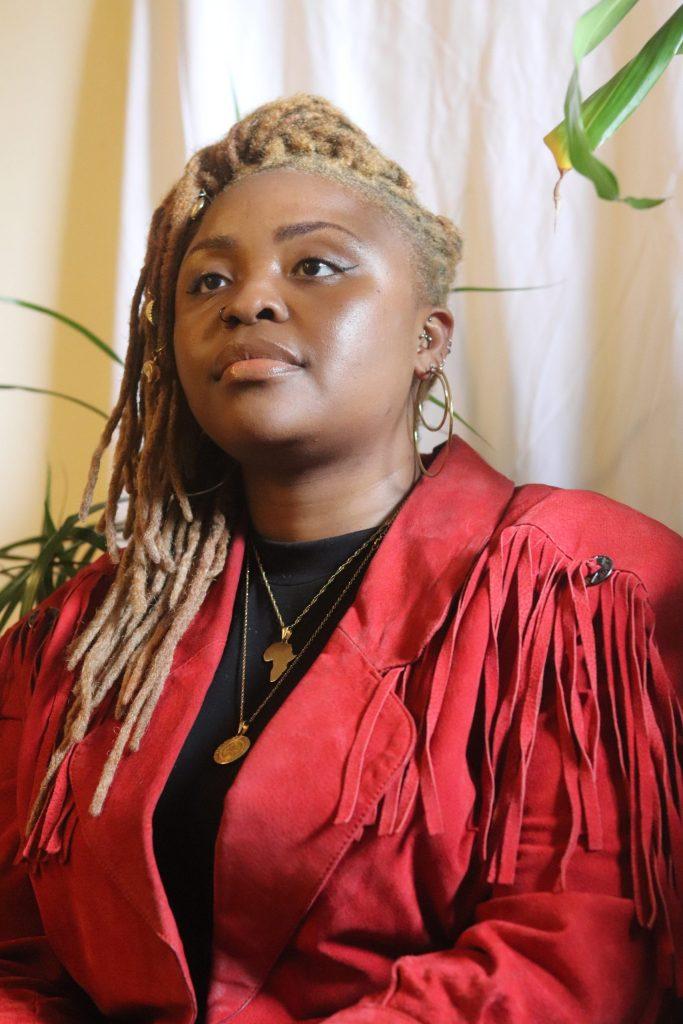
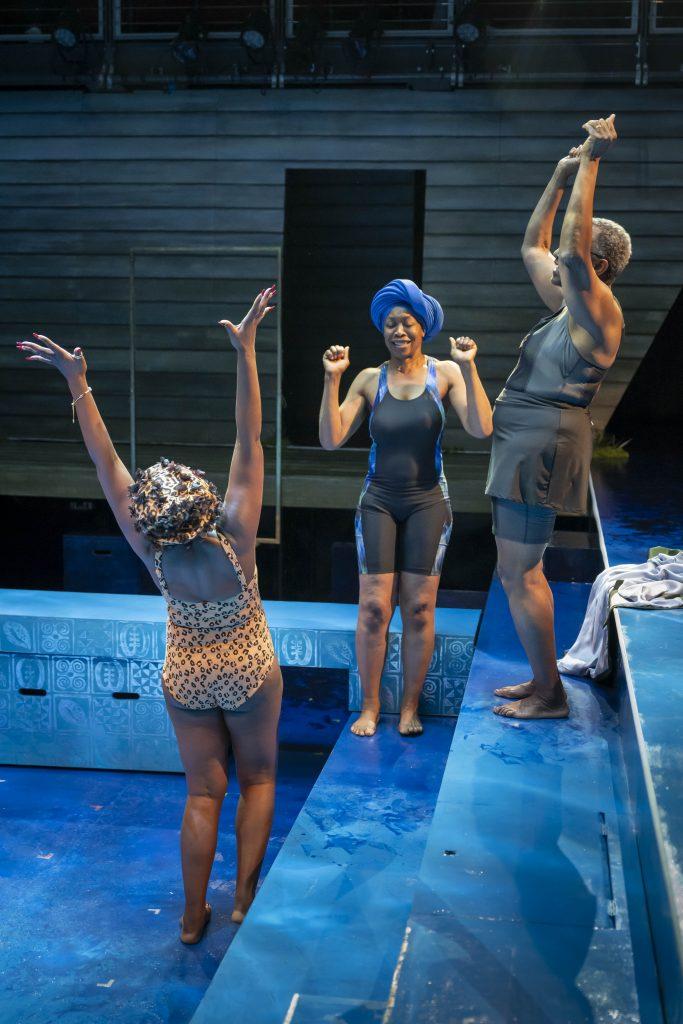
Siana’s impressive body of work also shows grit and resilience. Her work in social justice gives her true insight into the hardships people suffer due to marginalisation, which enables her to tackle difficult, confronting and sometimes divisive subjects. But, while much of her work is hard-hitting using what she describes as ‘a sledgehammer’ approach, Swim, Aunty, Swim! is soft, subtle and infinitely relatable.
“I think those who are tired and don’t want to listen to the sledgehammer approach will be able to connect a bit more through the story of a mother, of someone who reminds them of their mum or grandma,” she says. “Swim, Aunty, Swim! is deliciously West African, but it’s very much a British story. It’s also universal, because you can see yourself in those four characters and think of whoever it is that they remind you of from your own culture and your own family history.”
Finding your tribe
As she moves into a softer era of her life, Siana uses a phrase that’s very familiar in the outdoor swimming world: Finding my tribe in relation to her life and the friendships in Swim, Aunty, Swim!.
“To the naked eye, some might think, why are these three friends? But I think we’ve all been in those dynamics where we have a certain kind of humour among us, or found each other at the right time,” she says. “They found each other at very critical moments in their lives. And each of them, in their different way, helps the other to be brave.”
That question of bravery and courage is so important to Siana.
“I’d like to think that courage is at the centre of my work,” she says. “It takes courage to move through the world to the beat of your own drum, especially if you have layers of your identity that are marginalised – being a woman, a woman of colour, a Black woman, queer, disabled. It shouldn’t be that way, but in a world that dictates how you should be, to resist that is incredibly courageous.”
And that brings us back to Siana’s true strength that characterises her unique style of storytelling – joy, hope, journey, striving towards something better. As she moves forward, water, courage, femininity, learning, and community are key.
“Being met with that reciprocity from some of the communities I’m part of has meant the absolute world to me. I think that helps me continue to be courageous, to stick my head above the parapet, to keep going,” she says. “So for me, finding communities of reciprocity and sisterhood in the last few years has helped me be more bold and even more myself. I really cherish that and wish that for everyone.”
Follow Siana Bangura at sianabangura.com and @sianaarrgh on Instagram