DIY challenges
EXTRA,  FEATURES,  June 2026,  Premium

DIY challenges

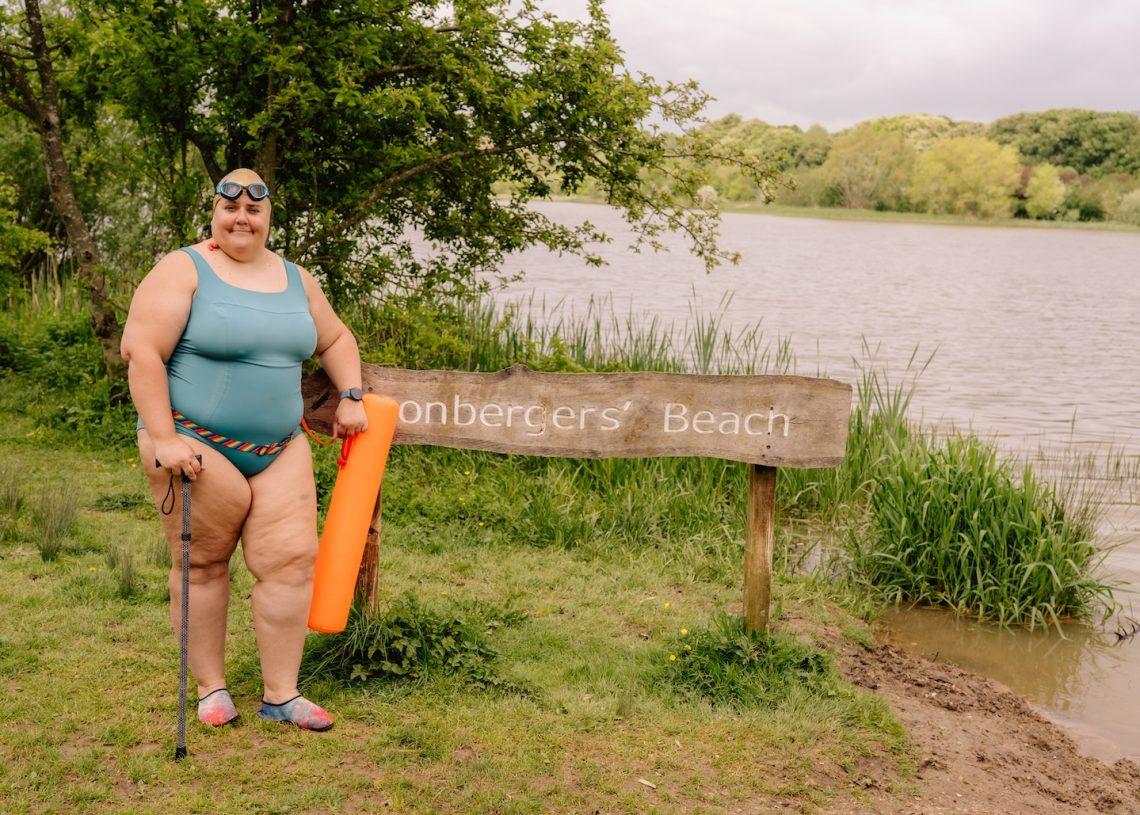
Challenges on a grand scale or a daily scale – they are all valid and important, says adaptive swimmer Sophie Etheridge

It’s no secret that I LOVE a challenge. I would go as far to say I thrive on them and have always enjoyed them. However, it is important to remember that not every challenge has to be massive and that sometimes it’s the smaller, personal and private challenges that are the most important. I don’t think I fully understood that until I acquired a disability and was diagnosed with multiple health issues. It was only then that I fully understood the value of challenges and how you can use them to benefit your daily life.

Living with multiple disabilities is hard; I don’t say that for pity, it’s just the reality of living in a world that wasn’t built for those with disabilities. One of the ways I make it easier is by setting myself challenges. I don’t shout about them on social media because to most people they seem insignificant as they’re things that they do every day.

For example, I might set myself the challenge of getting out of bed before 10am every day for a whole week. For me, that is a challenge; I don’t sleep well and have to wait for medications to kick in before I can get up and do things. However, another challenge I set myself was swimming the English Channel solo. Both things seem a million miles away from each other but both are valid and both are important.

People assume that because I’ve swum the English Channel, I must be endlessly chasing the next extreme. But the truth is that my swimming life is stitched together from dozens of tiny, deliberate challenges that have nothing to do with distance and sometimes have nothing to do with swimming! Some days, the challenge is simply getting to the water. Some days it’s getting in safely through the waves. Some days it’s managing pain long enough to enjoy ten minutes of cold water. And some days, yes, it’s swimming through the night in the middle of the Channel. The scale changes, but the motivation to be my best self and always do my best doesn’t.

What makes DIY challenges so powerful is that they’re adaptable. They bend with you. When my health fluctuates, which it does daily and unpredictably, I can adjust the challenge instead of abandoning it. If I can’t manage a long swim, I might set the challenge of getting in and doing a 30-minute easy swim. If I can’t get to the water, the challenge might be stretching, gentle strength work or simply planning for events that I want to attend. These aren’t consolation prizes. They’re acts of persistence, determination and constant progress.

I have said it before, but something I love about swimming is that the water never judges the size of your challenge. It doesn’t care if you are swimming the Channel, swimming a mile, dipping for a couple of minutes, or even if you opt not to go in and just paddle for a day. It meets you exactly where you are. That’s why swimming is such a powerful space for those with disabilities, not because it erases our limitations, but because it always gives us room to work with them.

Stay up to date with The Dip, our free weekly outdoor swimming newsletter.

Outdoor Swimmer is the magazine for outdoor swimmers by outdoor swimmers. We write about fabulous wild swimming locations, amazing swim challenges, swim training advice and swimming gear reviews.