


Why outdoor swimmers need to learn to float
What would you do if you got into difficulty on a swim? What if one of your swim group gets into trouble, or you spot somebody else struggling in the water? We met the experts at the RNLI at the launch of their Float to Live campaign to find out why this simple message is as important to outdoor swimmers as it is to the general public.
Unexpected currents, disorientation in the waves, fatigue or swim failure can leave even confident swimmers in trouble. That’s why Float to Live is such a vital skill to learn and practise. And for regular outdoor swimmers, there is another responsibility too—being alert at swimming spots, noticing when someone is struggling, and helping safely by raising the alarm and guiding them from the shore.

Float to Live is simple — and it saves lives
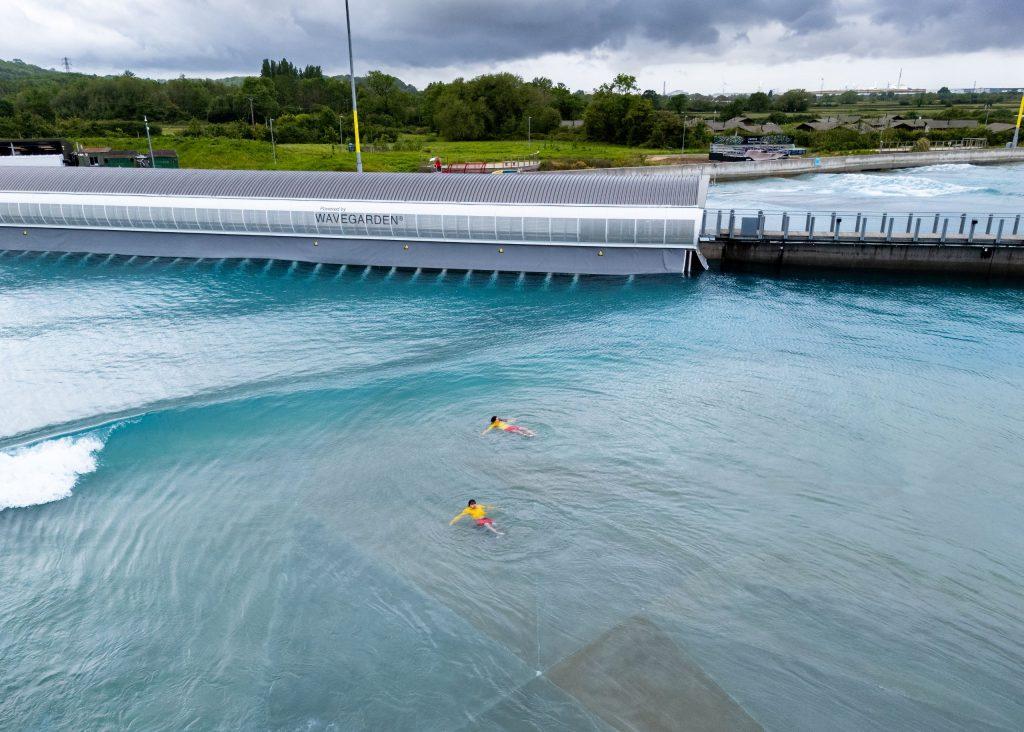
“We’ve got more than 50 case studies of where Float to Live has helped people to save their lives,” says Emmie Seward-Adams from the RNLI’s Water Safety Delivery Team. We met her at The Wave in Bristol for the launch of the Float to Live campaign. “The technique is: tilt your head back, submerge your ears, relax and try to breathe normally, move your hands and your feet to help you stay afloat. Don’t worry if your legs sink. We all float differently.”
That’s what makes this message so powerful: it’s simple enough to remember under stress, and practical enough to help your body cope with panic, shock and exhaustion.
But it’s not only for inexperienced bathers or children—it’s for everyone.
“Float to Live is for everybody—we all float differently but everyone can float,” she told us. She also stresses the value of rehearsal: “It’s really important to practise somewhere safe and supervised, so that you know what your float is like.”

The dangers can escalate quickly — especially at sea
Outdoor swimmers often know their chosen spots well, but familiarity is not the same as control. Sea swimming in particular adds moving water, rapidly changing conditions and the possibility of being pulled away from where you expected to be. The risk is not only that someone becomes cold and tired, but also that events can start and escalate very quickly—confusion, panic, then ineffective swimming against tricky conditions.
The RNLI advises swimmers to choose lifeguarded beaches where possible, swim in monitored areas, and be especially cautious of offshore winds and rapidly changing conditions at the coast.
For people planning longer swims, tell someone what you are doing, know your route, and understand your exit points before you get in—Emmie warns that after time in cold water, those same exits can become much harder to use. In other words, water safety begins well before the first stroke.
“Coastal and inland waters around the UK rarely get above about 15 degrees,” says Emmie. “Checking the conditions is really important because currents can take people unaware.”
Outdoor swimmers can be the eyes and ears on the water
Being au fait with Float to Live isn’t just about helping yourself, but also helping other people. Regular outdoor swimmers often understand a location better than most other people. We know where the current catches, where the water deepens suddenly, where people underestimate the conditions, and what ‘normal’ looks and feels like on a given day.
That makes us valuable observers. We are likely to notice when another swimmer is no longer making progress, when someone has drifted too far, or when panic is beginning to take over.
Crucially, helping people in trouble does not mean jumping in after them.
“If you see somebody else in difficulty, don’t go in yourself. Always call 999 and get the Coastguard on the way,” says Emmie. “Then tell the person to float to live and throw them something that can help them float… so, phone, float, throw.”
This means being vigilant, checking conditions, sharing local knowledge, noticing when someone’s about to leap into cold water, and speaking up. It means being the calm voice from shore that says: float, breathe, help is coming.

A skill worth practising before you ever need it
Whether you spot someone in trouble or get into difficulty yourself, your first job is to keep calm and conserve energy.
That’s why it’s worth practising rolling over and floating in different conditions—no matter how confident a swimmer you are. In fact, even the strongest, most confident swimmers need to practise this because it’s so different from being in control of their swimming.
“What I found is when the waves were switched on was that it was almost disorientating because you’re getting pulled and moved around,” says former soldier, extreme adventurer, bestselling author and one of the stars of Channel 4’s Hunted and Celebrity Hunted, Jordan Wylie, at the Float to Live launch.
“When I stood back up in the water, I was a lot further away from where I started, which is what it would be like in the real world out in the ocean,” he says. “The immediate instinct is to panic and start trying to keep your head up and look around, but what you want to do is get your head back, submerge those ears, and then just relax and breathe. And actually, when you do that, and you follow those very simple, basic instructions, you can almost ride the waves — you’re buying yourself time.”
Float to Live matters because no matter how carefully you plan, emergencies in open water happen. A mis-timed breath, cramp, panic, confusion, swim failure or a sudden loss of confidence affects even the most experienced swimmers.
So, learning the technique, practising it, and being ready to remind others of it could make the difference between panic and survival. For outdoor swimmers especially, it’s both a personal safety skill and a community one: know it for yourself, and be ready to spot when somebody else needs to hear it.
Find out more about the RNLI’s Float to Live campaign