



Finding joy after heartbreak
If we were guaranteed to always be successful, what would be the point in even trying, asks Elaine K Howley
This past weekend, I attended the Beyond the Breakers open water swimming conference organized by open water coach and marathon swimmer Craig Lewin. I was honored to be invited to share my experience and expertise as a speaker, and the event offered a rare opportunity to connect with other swimmers – friends old and new from near and far – to swap stories, strategies and the occasional sorrowful saga of open water swims that didn’t go as planned.
During the conference, I heard several stories of near misses and spectacular failures. I marveled at the speakers’ ability to overcome and endure, despite long odds.
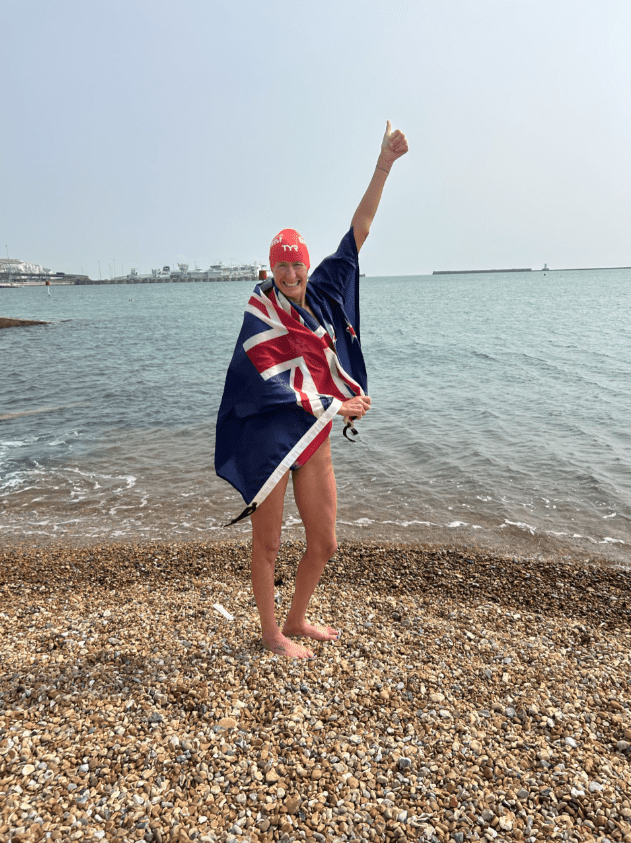
For some of the speakers, try, try again was the motto. Case in point, Charlotte Brynn, a New Zealander living in Vermont, finally succeeded in swimming across the English Channel in August 2024 on her sixth attempt. Each previous effort over some 12 years had taught her valuable lessons. Her dogged pursuit of this one swim forced her to adjust many elements of her training and mindset until finally, all the pieces fell into place and she was able to touch French soil as a successful solo channel swimmer.
This past summer, I supported another friend in his attempt to cross the cold and jellyfish riddled North Channel. As his tide dwindled down to just 24 hours, we got word that the conditions were finally good enough for an attempt. By then, the rollercoaster of emotions – Will we get to go? Has he trained enough in cold conditions? Why is the air so darn chilly already in mid- September? – had worn deep grooves in both our brains.
After a few hours of difficult swimming in the dark, the swimmer pulled himself out. It wasn’t his day; he’s vowed to redouble his efforts to increase his cold tolerance and address the other issues that cropped up during the attempt. He’s already locked in new dates, and I have no doubt he’ll return to Northern Ireland better, stronger and more prepared for that singular challenge.

Not all swimmers decide to have another go at a swim they miss the first time. For example, in 2011, I also attempted to swim solo across the North Channel. After fiveplus hours of relentless jellyfish stings, I tapped out. As I rewarmed in tearful anguish on the boat, each sting (that covered 100% of my skin, it seemed) burned brighter. It was a particular kind of agony – supreme discomfort and physical pain compounded by emotional devastation.
I’m not sure I ever want to toss myself back into that cold, stinging stew, even though I think about it often and even more so since having spent a few weeks in Donaghedee this summer. I might try it again at some point, but do I have to?
Saying “no” was the right choice for another swimmer I know after two English Channel attempts in the early 2010s. The first one ended when she became miserably ill during the swim. The second never started, no thanks to lousy weather. She and I both thought she’d abandoned that idea forever, having opted to thrive in many other aquatic marathons instead. But I was pleasantly surprised when she told me recently she’s plans to try again soon; the career timeline for an amateur open water swimmer can be mercifully long and winding.
But still, any swim can become your white whale; the English Channel is apparently becoming that for another swimmer I connected with at the conference. After a third unsuccessful attempt at swimming solo across it this summer, this very capable, strong, and cold-tolerant swimmer, is struggling to come to terms with how to move forward in the sport and whether there’s enough joy of swimming left to overcome the fear and anxiety that ordeal raised.
I was shocked when I heard the news that each previous attempt had ended before its goal for this swimmer. It didn’t make sense, but that’s the nature of the dreaded “DNF,” shorthand for “did not finish,” that gets recorded next to swims that end too soon. They often don’t happen when you expect them to and can crop up, sometimes repeatedly for swimmers who have trained well and done everything right – see also, Brynn’s story.
No matter how a DNF transpires, it can take a huge toll, both physical and mental, on a swimmer. I’ve experienced it, and I think most of us in the sport are familiar with the difficult decision to terminate a swim.
But these heartbreaking moments can also be a reason and a means to recalibrate your relationship with open water, fear, and your own internal motivations. A “failed” swim can lead to even greater rewards, as Brynn found out. “I’m very grateful for my English Channel journey, because it led to incredible personal growth,” she told the audience. “I never would have pursued so many other swims because they were all in preparation for the English Channel, and I wouldn’t have sought those out on my own.”
For both my friend who didn’t get to Scotland this past summer and my other friend who’s feeling so conflicted about reentering open water, my advice is the same: Follow your joy. If another attempt makes sense, I support you unconditionally.
And if it’s not for you, know that “no” is an acceptable answer. You aren’t the sum of your swims. If, like myself and that other friend, you find you need a decade or longer to consider your options, take that time and more. The water will be there and will be ready to hold you up if and when you’re ready. If it’s time for you to try again, you’ll know when to wade out a little farther and lift your feet to swim.

Outdoor Swimmer
Outdoor Swimmer is the magazine for outdoor swimmers by outdoor swimmers. We write about fabulous wild swimming locations, amazing swim challenges, swim training advice and swimming gear reviews.