

Open water, extreme in all ways
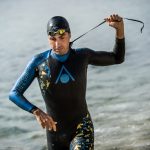
Open water can look calm and inviting, but beneath the surface, conditions can change in an instant. Sophie Etheridge reflects on how a weekend of swimming in Dover reminded her that extreme environments can be closer than we think.
The theme of this month’s issue is extreme environments and it’s taken me time to figure out what that means to me. Most would think of Antarctica or the Sahara Desert but to me, it’s open water, no matter where that water is.
Open water swimming is still considered an extreme sport and I think that is due to the fact the term is so broad. There are open water swimmers that dip and just float around for five minutes a day. Then there are open water swimmers that are happy doing an hour or so in a river or a lake. Then, there are people that swim the Channel. All are open water swimmers. So where do extreme environments come into it?
For me, it’s how the water and weather can shift from being nice to choppy and messy with strong currents in a second. When looking at the water, it might look perfectly safe and calm but once you’re in it you realise how big the swell is, how strong currents and tides are, too. Swimming can go from safe swimming to extreme swimming in a very short space of time. A small change in the environment can make it go from a safe one to an extreme one very quickly.
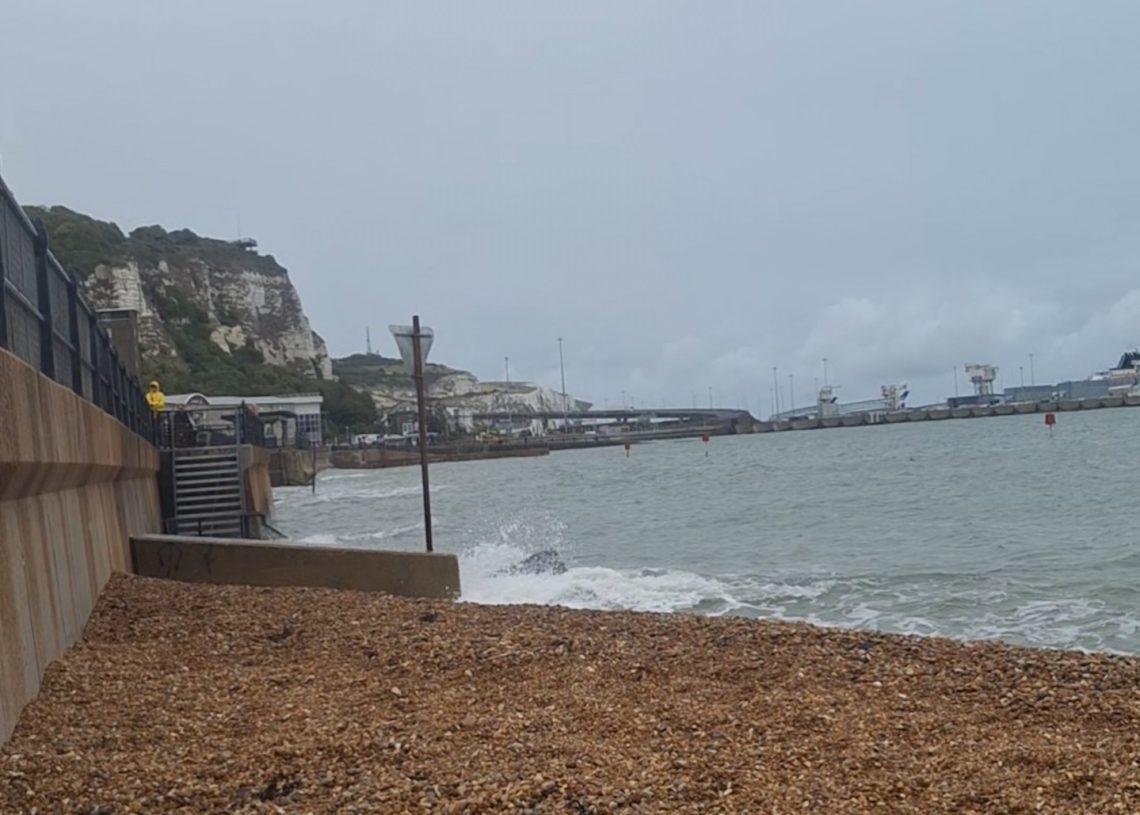
An example was the Gertrude Erdele 100-year celebration swim in Dover. I was in Dover for the weekend. On the Sunday, I planned a 5km, which is roughly a two-hour swim for me. However, when I got to the promenade, the waves were crashing on the beach, the wind was high and there was little to no shelter. I got in and swam 2km before I had decided I was being thrown around and beaten up for long enough.
The following day was the Gertrude 2km swim, the water looked stunning in comparison. It wasn’t until I sat watching swimmers struggling in the water that I realised the sea must be hiding something.
The event was great; there were people from all walks of life, plenty of Channel and marathon swimmers and lots of families as it was such a beautiful day. When I got in the water, it felt pretty calm with little to no swell, but the further towards the in-water start line I got the more I noticed the current pushing us parallel to the shore and the starter had to tell us to move over on several occasions.
A mass start can be chaotic; add waves and currents into the mix and it can feel pretty extreme, more so if you get kicked in the head like I did.
The first part of the swim felt easy but when we changed direction, we swam into the headwind. That combined with people not sighting and not swimming in a straight line meant the swim suddenly felt incredibly rough and challenging. I guess what I am saying is you don’t have to travel miles to find an extreme environment; sometimes it’s right in front of you and you don’t even know it!

Outdoor Swimmer
Outdoor Swimmer is the magazine for outdoor swimmers by outdoor swimmers. We write about fabulous wild swimming locations, amazing swim challenges, swim training advice and swimming gear reviews.