


The real cost of swimming
As the popularity of outdoor swimming increases, so does the number of places where you have to pay to swim. In this rapidly-evolving landscape, how can outdoor swimming be affordable or accessible, when it’s now such big business? Ellie Tennant investigates…
It’s a Sunday morning at Queenford Lakes, South Oxfordshire and the 20-acre overflow car park – as usual – is rammed. Lobster-pink swimmers in caps and dry robes clutch thermos flasks and huddle shivering and chatting in groups, while serious-looking ‘tri guys’ peel off their wetsuits and down post-swim protein shakes. It costs members here £7.25 per swim (or £6.25 if you bulk buy in advance) and on a busy session in the summer, more than 450 swimmers can turn up.
Steve Glanfield, owner-operator at the venue, uses only word-of-mouth and social media to promote the popular open water swimming sessions. He has been working at the lake for 15 years and also manages Oxford Water Skiing Club (OWSC) on-site.
“The business is largely staffed by family members – my mum and my two nephews man the kiosk where swimmers check in and out, I manage the car-parking, and safety is handled by our team of dedicated volunteers who do hour-long shifts on kayaks in return for free swims,” explains Steve.
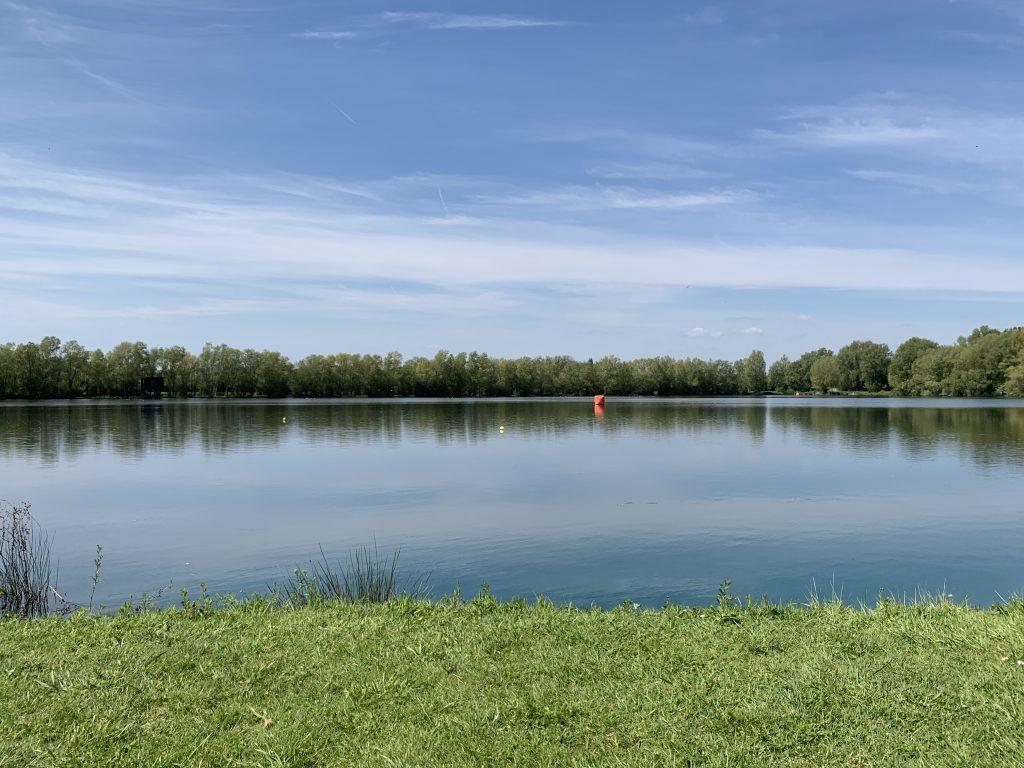
Queenford Lakes was – until recently – a National Open Water Coaching Association (NOWCA) venue. Swims were booked via the ACTiO app and every swimmer paid an annual membership fee to NOWCA of £15. However, the venue is now in the process of switching over to their own web-based software system: Swimscan. Swimmers at Queenford have been told not to renew their NOWCA membership and to switch to Swimscan instead. The aim is to sign up many more open water swimming venues in the future.
At the moment, NOWCA charges a £20 membership fee and keeps £15 of that. The lake operator gets £5. But with Swimscan, lake operators can set their own membership fee and Swimscan will only ever keep £7 – so if a venue’s membership fee is £20, like NOWCA currently is, the lake operator would keep £12.55 (stripe takes 45p).
If a lake operator decides to charge a £30 membership fee, Swimscan still only takes £7, so the operator will keep £22.55 per swimmer. With Swimscan, there is no limit. An operator could – in theory – charge a £50 annual membership fee, still just pay £7 to Swimscan and pocket the rest.
Chatting to swimmers at the venue, the reception to the Swimscan system was lukewarm at best. Some were worried that the set-up is designed to put profit above people and will lead to rising prices and reduced affordability for swimmers if lots of venues sign up.
On social media, the Queenford team says Swimscan streamlines the check-in/check-out process, but swimmers say it seems no faster to them and, at the moment, there’s only this venue using Swimscan, so Queenford swimmers can no longer swim at multiple locations as they could with NOWCA. Some will have to pay for both NOWCA and Swimscan memberships if they want to continue swimming elsewhere too.
“NOWCA has just raised its membership fee to £20 a year, but Swimscan is still £15 a year for Queenford swimmers,” points out Steve. “It’s web-based rather than app-based, so it’s more streamlined behind the scenes. I can see bookings online and cancel sessions more easily. With NOWCA, a member of staff has to input a distance on to the system manually when a swimmer scans out but with Swimscan the onus is put onto the swimmer – they automatically receive an email after their session so they can enter their distance and notes themselves. This saves time.”
But when venues can set their own membership fees, with no upper limit, surely this means that open water swimming could become even more exclusive and expensive?
“In theory, a venue could charge what they like, but if they charge too much, they probably wouldn’t get the number of members they need,” argues Steve. “The more people that swim, the better the vibe and that encourages more and more people to swim.”
Steve points out that there are many hidden costs incurred when running a venue such as Queenford Lakes. “I have to pay an annual rent to the owner of the lake, just to use the water for water skiing and swimming,” he explains. “Insurance costs a lot, too. Last year it went up 260 percent.”
Steve says that insurance suppliers are pulling out of the market due to claims from other venues – not necessarily sites that only offer open-water swimming – but venues such as water-ski clubs and aqua parks, which are all in the same category.
The dye that is poured into the lake to reduce weed growth is another expense. Steve also owns a weed harvester – like a big hedge cutter on the front of a boat – which cost just shy of £50,000.
Although his safety team are volunteers, they have to be first aid trained every couple of years, which takes up time. Then, there are ongoing repairs around the site and improvements – for example, the field that is used as an over-flow car park couldn’t cope with the volume of cars and has now got hard-standing to prevent mud and puddles.
It’s a seasonal, weather-dependent business, too. “You have to make the money when you can,” says Steve. “The weather has been great this year so we’ve had a good summer season, but in the winter there is still rent and insurance to pay and we get less than 5 percent of the turnover compared to the summer.”
There’s also a maintenance fee that has to be paid on top of the rent – another 10 percent of the total rent – for grass to get cut, hedges trimmed, trees cut down, gravel raked. Monthly water testing is another hidden cost and there’s a swim-safety vessel on the water – a water-ski boat, that cost £140,000.
“People don’t see these costs – they’re invisible,” says Steve. “I hear swimmers in the car park sometimes saying: let’s find a lake and set up, it’s easy – but I’m a one-man-band for eight months of the year, it’s hard work and the margins aren’t great.”
When Steve started 15 years ago, it cost swimmers £5 per swim. Now it’s £6.25 if you’re a member and bulk-buy swims. “I don’t think that’s a huge increase in cost,” says Steve. “It’s risen just £1.25 in 15 years. I try to be the cheapest in the area. We loan tow floats and hats for free, too. We want to keep swimming as accessible as possible.”
Queenford swimmers could swim in the nearby River Thames for free, but pollution puts many off as well as the lack of a safety team. “We sign you in and out,” says Steve. “We have a member of the safety team standing on the pontoon and kayakers out on the water. If you don’t sign out after your swim, we message you to make sure you’re OK.”
Paul Blue, NOWCA General Manager, says open water swimming has exploded since 2020. “Pre-Covid, we worked with 15 venues. We now have 45 and next year we’ll have 50,” he reveals. “What I know from running venues is that a lot of venues don’t make a whole lot of money – it’s often the subsidy that NOWCA pays them that makes the profit. You have to pay for insurance, lifeguards, National Insurance and the Living Wage has just gone up, too,” he points out. “When you get to a certain size, all of a sudden you cross the VAT threshold, then you become a victim of your own success and have to put your prices up.”
Floods, duck mites, blue-green algae blooms – Paul says it’s a tricky sector to work in. “I think you’d be surprised just how small the margins are in open water swimming, especially when you factor in a bad season,” he says.
Rent can cost a lot. “I always encourage people to enter a commission-based or pay-per-swimmer contract with a landowner,” explains Paul. “A landowner might charge £10,000 rent, but a smaller venue might only make £20,000 profit, which has also got to cover the salary of the operator. Most NOWCA venues also pay a lot for their safety staff as not everyone can rely on volunteers to turn up and do shifts for free.”
Paul, who is currently helping farmers to turn fisheries into open water swimming venues, says firms that some venues already use such as The Wild Swimming Company and Sports Guardian don’t offer the advice, support, customer service help and marketing to smaller venues that NOWCA can. “I help venues to set up, sort their documentation and insurance and so on. A software system can’t offer that help. NOWCA is more than just a system.”
Paul says NOWCA gives free memberships to charity members and is always striving to improve. “We’re unashamedly a private business but made up of swimmers. Our mission statement is: more water, more people, more safely. We also have discounts with 30 or 40 brands – you can become a NOWCA member for £30 then save £500 when you shop for all your kit.”
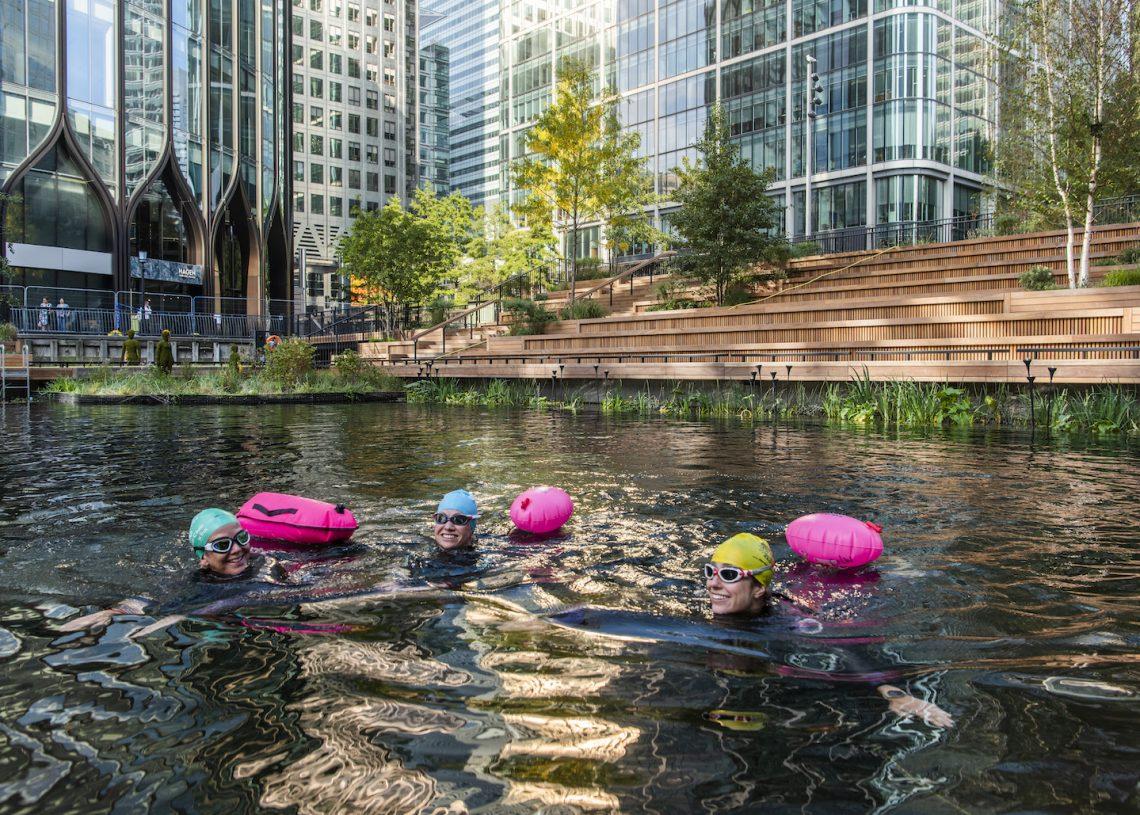
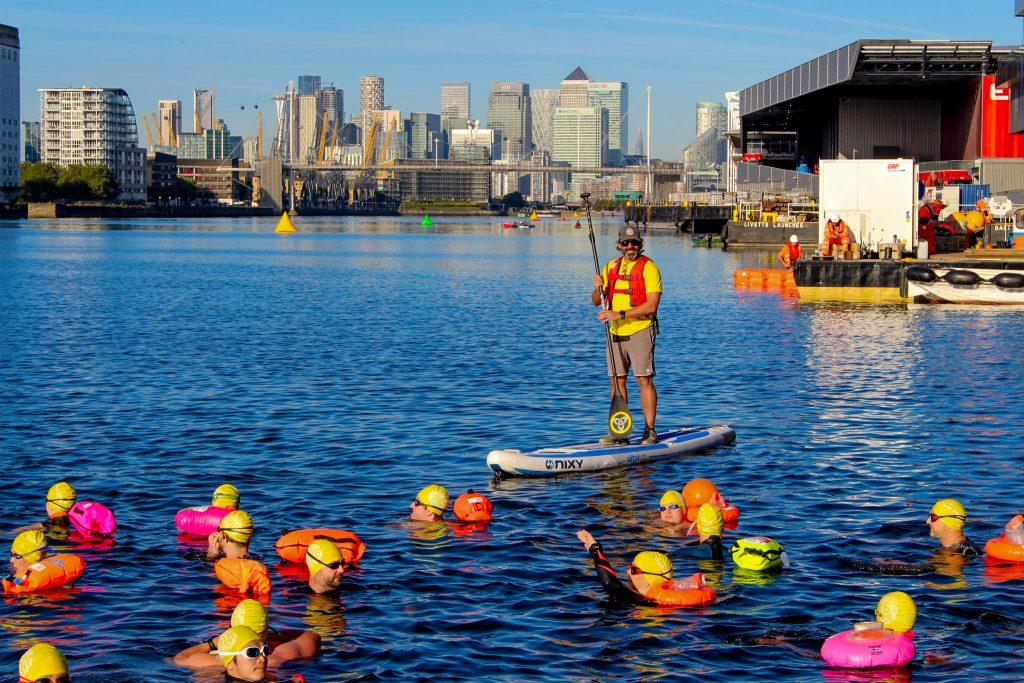
NOWCA is about to start open water swimming at Blenheim Palace Lake, Oxfordshire, where each swim will cost £10 (plus the £20 annual NOWCA membership fee and a Blenheim Palace membership fee.) Other NOWCA venues such as London Royal Docks already cost £10 per swim, while Canary Wharf is £9.50.
Chris Romer-Lee, co-founder of the Swimmable Cities alliance – 153 organisations across 83 cities and towns and 30 countries who campaign for the right to safe, swimmable urban waterways – is unhappy about the high prices being charged at venues such as London Royal Docks.
“It makes me annoyed – particularly because it’s about milking the suits who work in the financial district, as opposed to having consideration for some of the poorest communities in the country who live just a stone’s throw from there. Lidos are getting more expensive, too. I understand why – there isn’t much funding – but we need to be careful that swimming doesn’t become some sort of elite sport in terms of cost.”
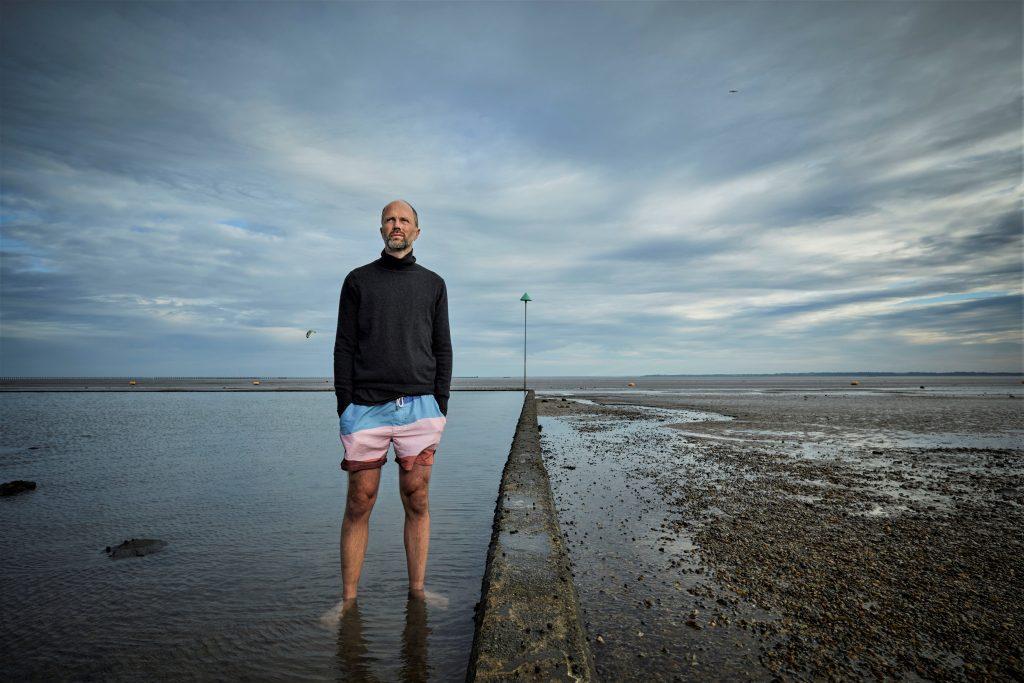
Chris thinks that viewing swimming as ‘leisure’ is one underlying issue. “I think swimming should be recognised as part of the critical infrastructure of cities in the same way that cycling is,” he argues, citing the recent River Seine swimming zones that opened in Paris after the Olympics earlier this year as an example of this approach.
“These swimming zones are free to use and the lifeguards and maintenance is all paid for by the City of Paris. I think it’s fantastic,” enthuses Chris. “It’s treated the same as other pieces of infrastructure, it’s just accepted – and it’s a way of changing the perception of how accessible the water is. It shows people that the water is clean, it’s free to use and they are safe in that environment. That’s the critical change we need to have here.”
Chris points out that even though mainland Britain is an island with hundreds of miles of un-manned coastline, we have – culturally – ‘a weird hang up’ about open water swimming.
“The attitude is: it’s OK to turn up at a beach and jump into the water at your own risk, but it’s not OK to jump into a body of water like a river, a reservoir or a lake in a city, therefore you need lifeguards and safety measures – I can never get my head around how we’ve got into this state,” says Chris, baffled. “People put big fences around these bodies of water so that nobody will go in them. The problem is that people do go in anyway and because there’s no safe infrastructure to get into the water and no education – it’s just ‘no swimming’ – problems occur and that feeds the nay-sayers and perpetuates the idea that we should just fence off these water spaces to stop kids drowning.”
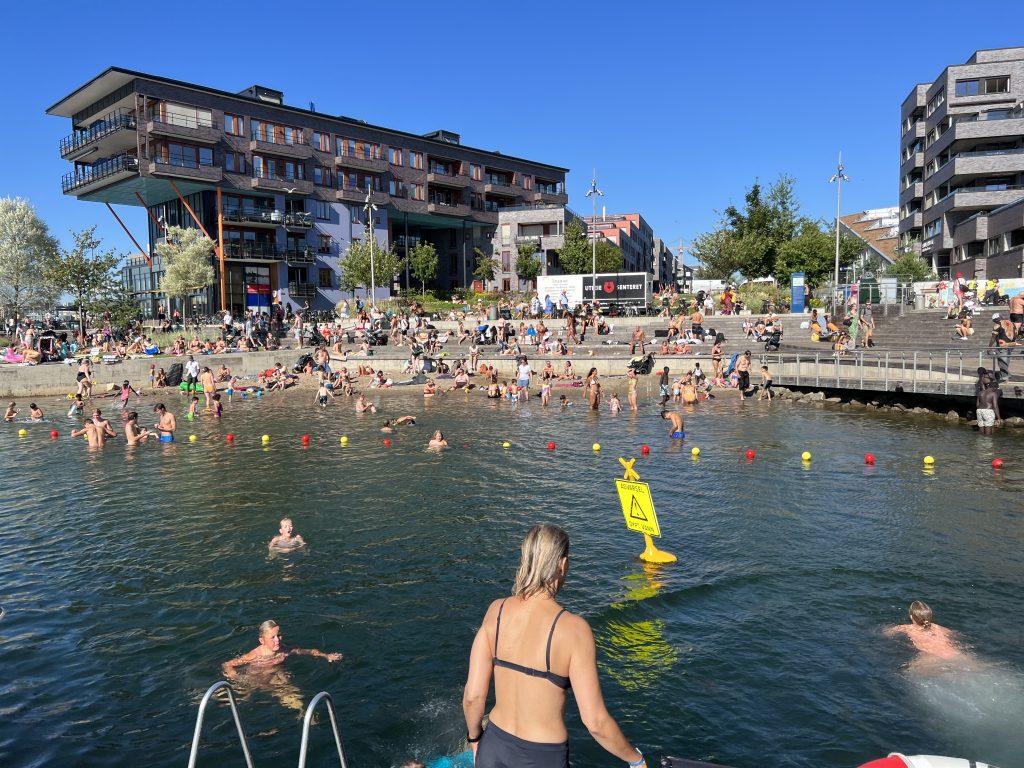
Other countries have a more enlightened approach. In Basel, Switzerland, for example, ‘the reading of the river’ is passed down from generation to generation. “Citizens know when it is safe to go into the water and there are apps these days that tell people when it’s safe to go in, too – so the city authorities don’t need to sit around pondering how they’re going to stop people going in the water. Instead, they can provide showers, changing rooms and safe access like steps,” says Chris.
In Ham, near Twickenham, London, there is a very slippery slope down into a quiet bit of the Thames. “You might wonder why the council doesn’t put some steps there and a handrail, so everybody can get access, but of course they won’t, as that would be seen as encouraging people into the water and when somebody gets into trouble, they will come after the council,” sighs Chris. “In other countries, they put up signs and it’s just understood that you swim at your own risk.”
There is some hope. “It’s only £4.80 to swim in the Hampstead Heath Bathing Ponds, run by the City of London,” points out Chris. “Under-16s and concessions pay just £2.90 to swim – those are good prices.”
But generally, the reality of free swimming spaces with government-funded lifeguards remains a distant dream. Chris has been involved in the Thames Baths (thamesbaths.com) concept, a proposed series of natural swimming baths in the Thames designed to allow Londoners to swim in the river safely and for free.
“My long held belief is that the Thames should be made accessible in some way,” says Chris. “Thames Baths is really the only way we’ll be able to swim there, but these proposals – similar to those built in Helsinki, Berlin, Vienna and soon New York City with +Pool (pluspool.com) – are some way off, as the Port of London Authority simply won’t entertain the idea.”
As well as open water swimming being big business in itself, many swimming venues now have peripheral ‘wellness’ businesses such as mobile saunas, yoga classes (held on paddleboards) and luxury smoothie shacks. You can shop online for ultra-cool, pricey ‘merch’ – dry-robes, wetsuits, designer bobble hats – but, in fact, all you need to swim is your body and a body of water.
Before he died, 93-year-old swimming enthusiast Demort Leo Curran used to commute by bus and train for 2-3 hours every day from his humble home in Thornton Heath, South London, to the Men’s Pond on Hampstead Heath to swim. He was the subject of an eight-minute film (Heath Life Taster Film – ‘Leo’s Pond’ on YouTube) in which he attempted to sum up the appeal of open water swimming. “It’s the nearest thing to paradise that I’ve known,” hesaid, simply.
Perhaps – in this exciting era, when swimming is more popular than ever, we all need to remember Leo’s words. To him, swimming was about freedom, health and joy. Wouldn’t it be great if everybody could access these basics?

Outdoor Swimmer
Outdoor Swimmer is the magazine for outdoor swimmers by outdoor swimmers. We write about fabulous wild swimming locations, amazing swim challenges, swim training advice and swimming gear reviews.