

The wild swimmer of Kintail
Outdoor writer Kellan MacInnes takes on the challenge of wild swimming 28 high altitude hill lochs in a remote and mountainous area of the Scottish Highlands.
I spent many childhood holidays in Argyllshire in the Scottish Highlands and it was here I was first introduced to hillwalking and wild swimming. Aged seven, I climbed 308m Beinn Lora, which rises above Ardmucknish Bay. I don’t remember much about it, but I do remember the bracken towered way over my head and after the climb we went swimming in the sea and it was cold.
Moving forward a few years to the mid-1970s, I’m back home in Edinburgh with my primary school class. We’re on a double decker bus. We’re going to meet the famous mountaineer, Chris Bonington. I remember the bearded man sitting behind a school-type table, but what formed a lasting impression on my 10-year-old mind were the brown blotches on the skin of his hands, the scars of frostbite sustained climbing the south-west face of Everest.
I was lucky to be at school in the early 1980s during the golden age of outdoor education. I went rock climbing and canoe surfing in Cornwall and spent two weeks climbing in the Austrian Alps with a group of fellow Edinburgh school pupils. Back home in Scotland, with a school friend I climbed the Five Sisters of Kintail, Buchaille Etive Mor and Ben Nevis.
My life changed forever when I was diagnosed with AIDS related cancer in the late 1990s. Given just six months to live, I did what HIV positive people did back then: I packed in my job in social work, cashed in my pension, went home and waited to die. Only I didn’t… As the years passed and treatments improved, I was able to return to work. First as a volunteer befriender and fundraiser for one of Scotland’s leading HIV charities, then later as a painter and decorator, a life coach, a bike tour guide, an Airbnb host and a supermarket delivery driver.
I wrote my first book, Caleb’s List: Climbing the Scottish Mountains Visible from Arthur’s Seat, it was well received by readers, reviewers and lovers of the great outdoors alike. Caleb’s List went on to be a best seller and as well as being entered for the Boardman Tasker Prize for mountain literature it was shortlisted for the Saltire Society Scottish First Book Award. Following the publication of Caleb’s List, I was awarded a grant by Creative Scotland to help research my next book and to fulfil my ambition to become a writer.
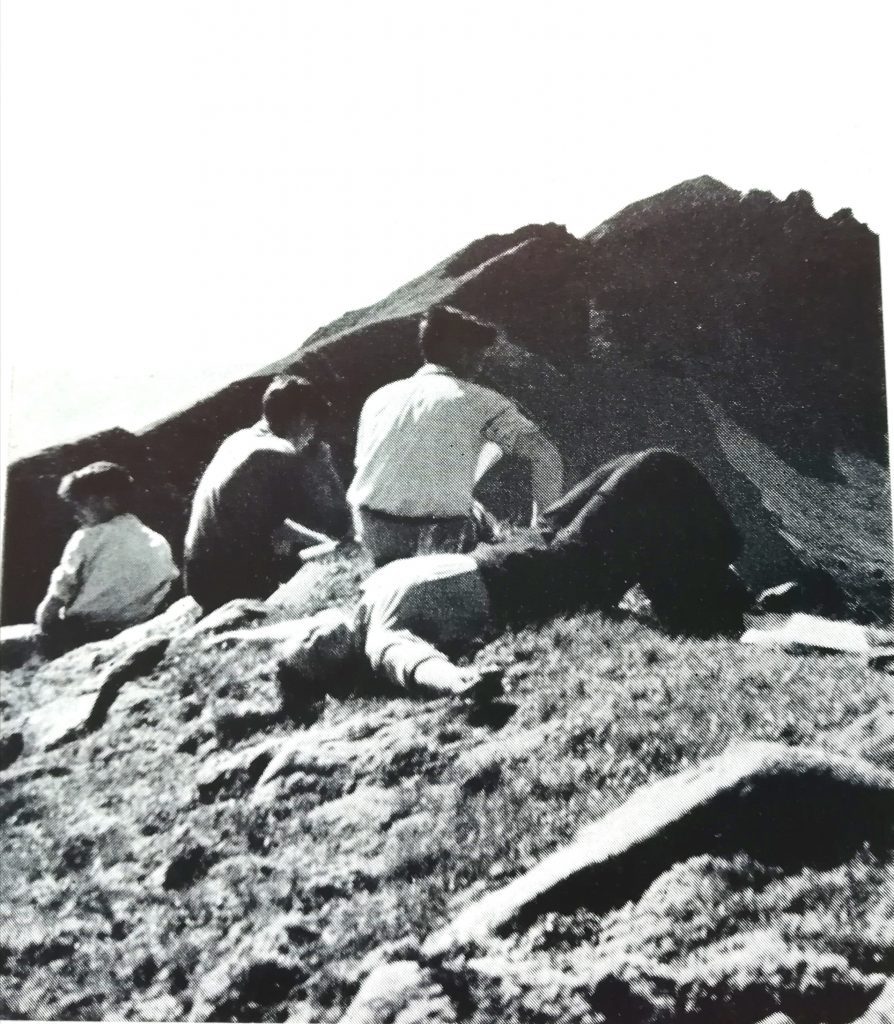
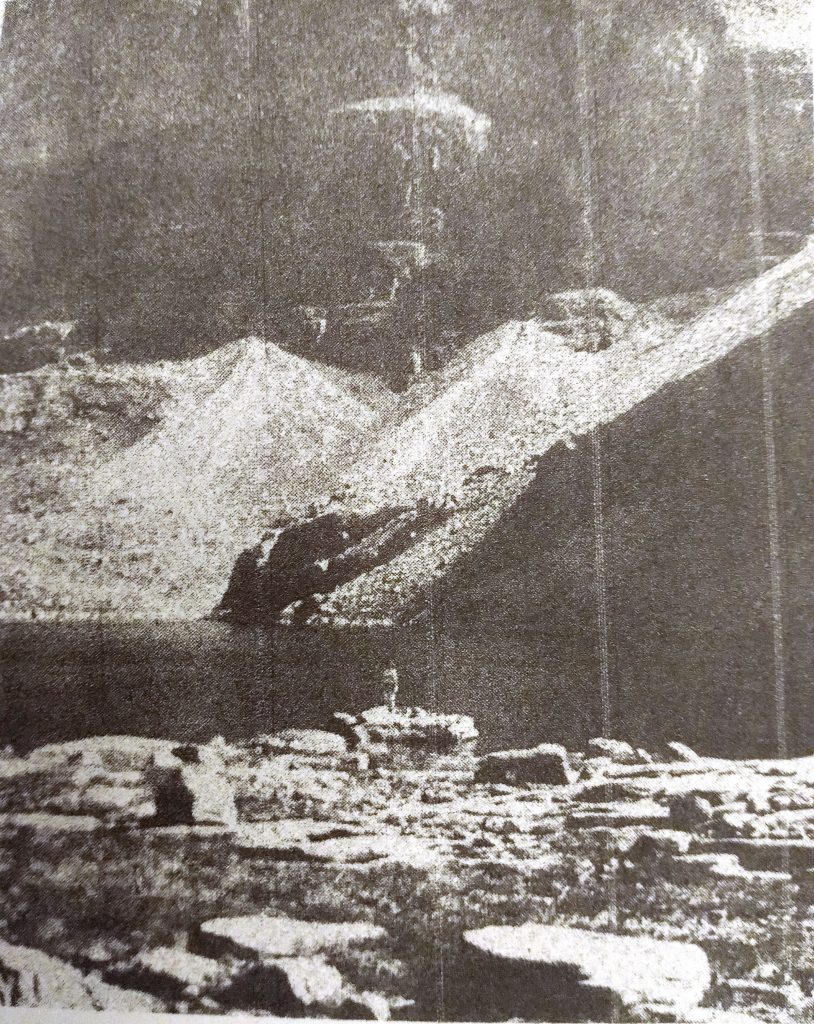
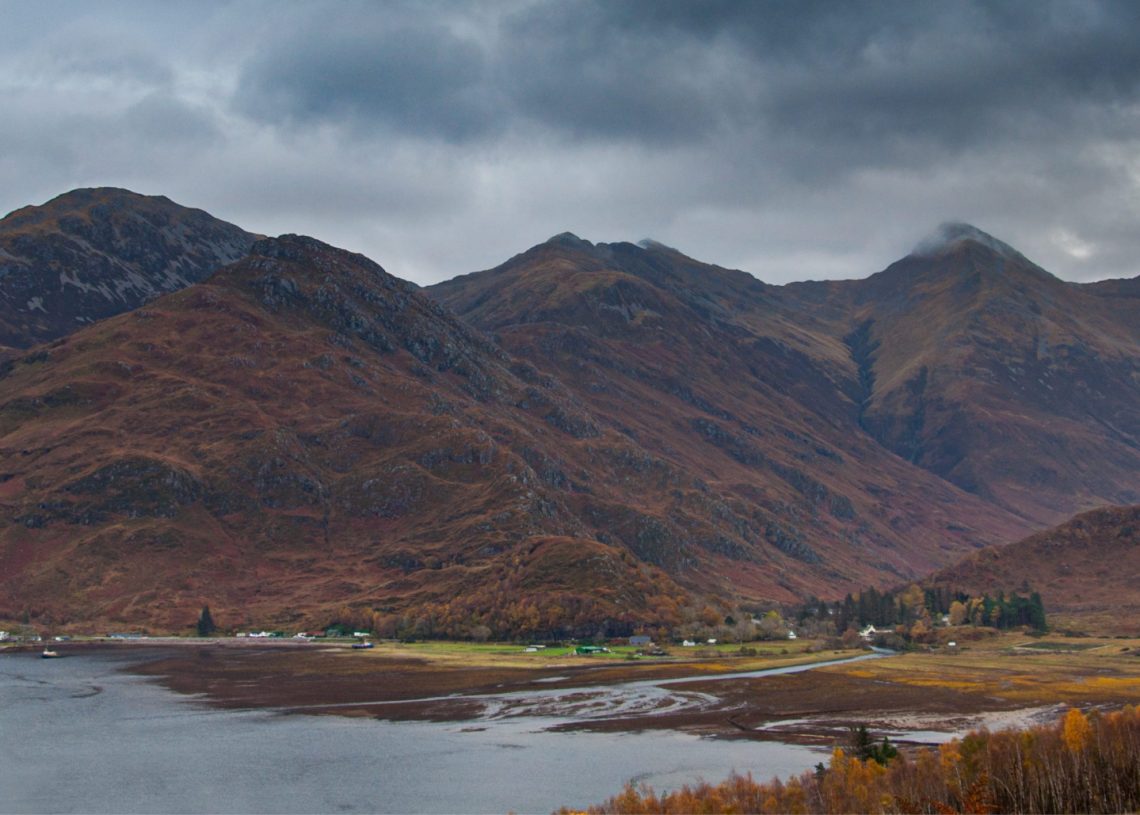
One day I was browsing in a second-hand bookshop in Edinburgh and came across a frayed volume called Kintail Scrapbook by the little known 1940s travel writer, poet and pioneer of wild swimming Brenda G. Macrow. I was captivated by Macrow’s tale of escaping war-torn London, taking the night train north and spending the summer of 1946 living in a cottage in Kintail, a remote and mountainous area of the Scottish Highlands, with only her Skye terrier Jeannie for company.
I loved Macrow’s descriptions of her wanderings through the hills and glens. During Highland summer, Macrow took on the challenge of wild swimming 28 hill lochs, all above 1,000 feet and all located within the boundaries of the Parish of Kintail.
Following in Macrow’s footsteps
My new book, The Wild Swimmer of Kintail, tells the story of how, following the end of a 20-year-relationship, flat broke and with a house full of Airbnb guests driving me crazy, I set out to follow in Macrow’s footsteps and take on a new challenge. Accompanied only by a cantankerous and flatulent Labradoodle and hoping to find my ‘single self’ again on the way, I too set off in search of the hill lochs of Kintail. Much more than just a guidebook and much more than simply nature writing, the book is multi-faceted and there are many different layers to the story. As I tackle the challenge, I recall scenes from the disintegration of my civil partnership. Some of the memories are funny, some poignant, some shocking. Meanwhile a parallel narrative about the summer Macrow spent in Scotland in 1946 is told in flashbacks.
I began the challenge just as Macrow did 70 years ago. One drizzly April evening I caught the Inverness bound night sleeper from Euston Station in London and then took the branch line railway to Kyle of Lochalsh. I based myself in nearby Dornie, a mile or two from Shepherd’s Cottage, the house where Macrow stayed for six months in the summer of 1946. Many of the 28 hill lochs of Kintail which Macrow went in search of are accessible from the pretty village of Dornie with its row of painted houses along the shoreline beside the world-famous Eilean Donan Castle on its island. Today the cottage Macrow rented in 1946 is a comfortable bed and breakfast and I stayed a few nights there. It goes without saying that Shepherd’s Cottage had changed a lot since 1946 when Macrow described it as having only a cold tap in the kitchen and an Elsan chemical toilet.
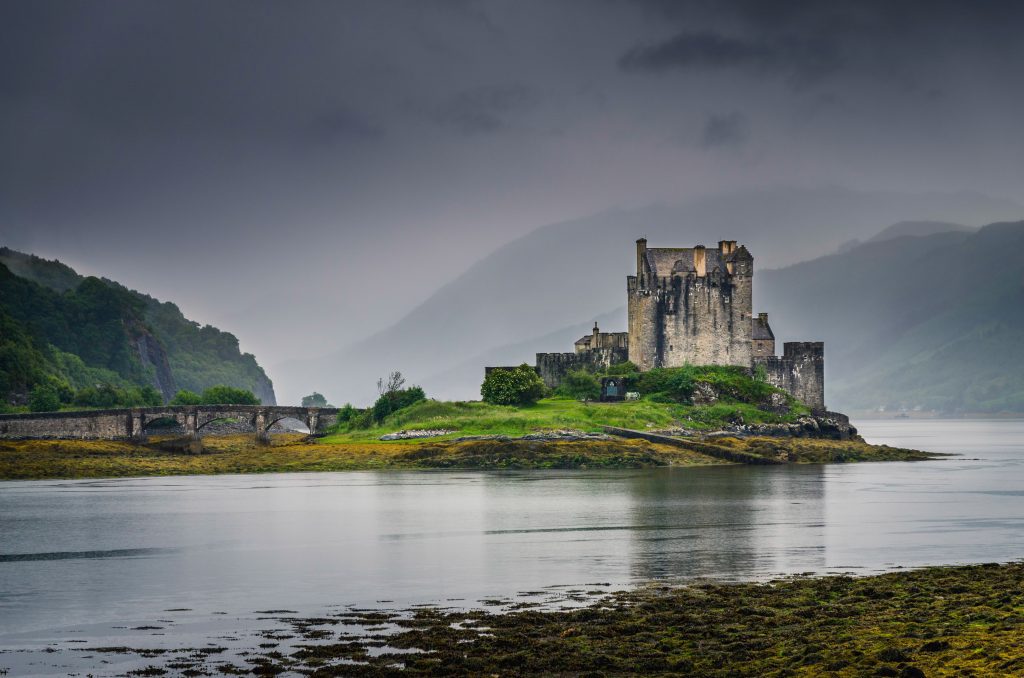
From Macrow’s descriptions I was able to work out the position of each hill loch she had visited and its name. According to the map some of the hill lochs were close together and it looked like two or three hill lochs could be visited together and swum in on one day. However, I soon learned that what appeared straightforward walking on the map was often anything but straightforward on the ground! I walked or used a mountain bike to reach the hill lochs near Dornie. When it was too far to walk or cycle my pal Liz came up from Edinburgh in her car to join me on what she called ‘the book walks.’ To reach some particularly faraway hill lochs we cycled up remote Glen Elchaig on bikes heavily laden with three days of supplies and wild camped outside a now derelict house called Iron Lodge where Macrow stayed with a crofter and his family for a few nights in 1946.
We soon realised Macrow had covered prodigious distances to reach some of the hill lochs. When she was in Kintail just after the Second World War, the Highlands were on the cusp of huge change in the form of massive hydro-electric development. Some of the paths Macrow followed to reach the hill lochs and the remote houses and cottages where she stayed have long since been flooded by hydro-electric reservoirs. In order to get to the last handful of hill lochs described in Macrow’s book I camped near the remote village of Cannich and hitched a lift on the Mullardoch ferry, which operates during the summer months taking groups of hillwalkers to the remote Munros around the head of Loch Mullardoch.
Cold, misty swims in hill lochs
Being in Scotland, the weather was often against us. As a keen hillwalker I’d always been up for a wee dip in a stream on a hot summer’s day on the way back down the mountain. But it wasn’t until I read Kintail Scrapbook and Macrow’s descriptions of her search for the hill lochs that I decided to repeat this challenge for myself and realised it could be fun to jump in the water on cold, misty days too. Some of the hill lochs were relatively easy to reach, but many proved much trickier to reach, but then that’s all part of the fun of taking on a challenge like this, right? Unclimbable six-foot-high deer fences with no stiles had sprung up across the hillside in the decades since Macrow came to Kintail, blocking access to some of the hill lochs and it took me a couple of attempts and a lot of careful map reading to finally reach them. Other hill lochs involved crossing wide rivers, several of which looked like they’d be un-crossable in spate.
My experience as a hillwalker proved invaluable. Wild swimmers thinking about taking on the challenge might want to call upon their hillwalking friends to assist them in finding some of the more remote, high-altitude hill lochs. My book contains appendices packed with practical information for those wishing to take on the challenge.
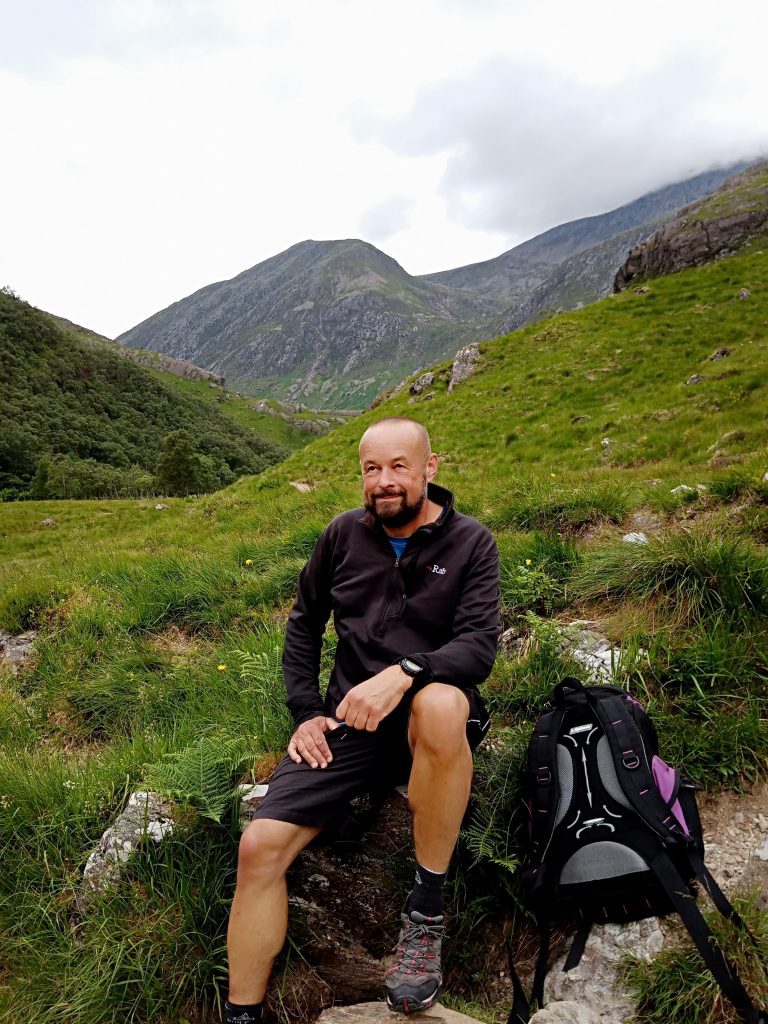
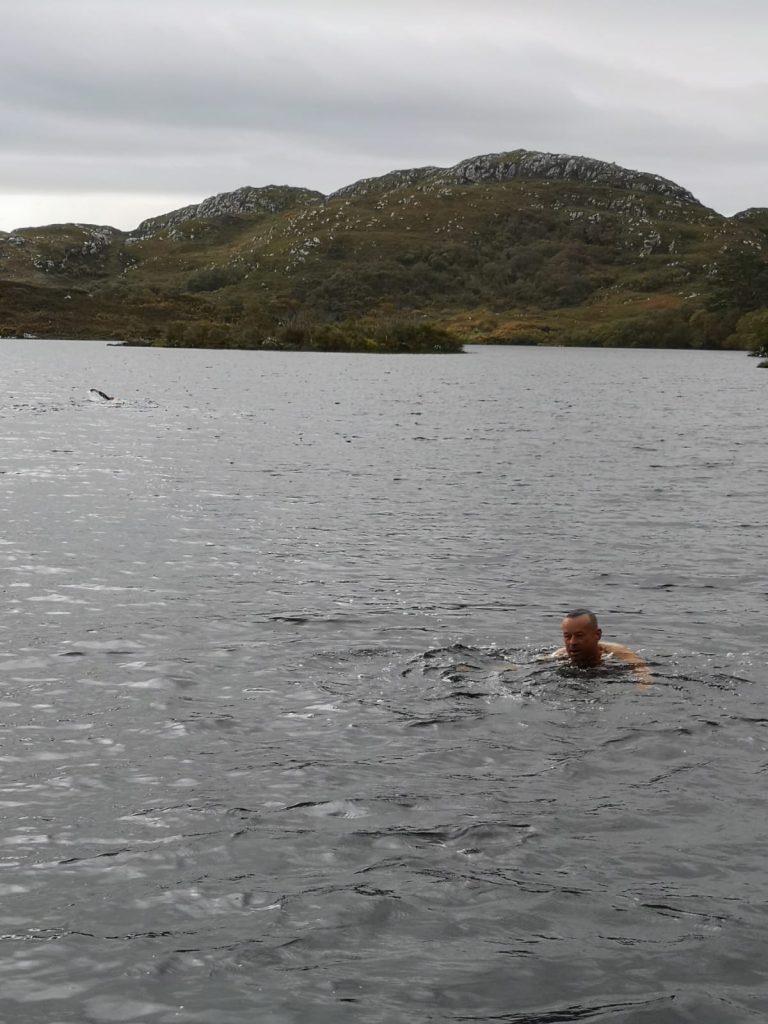
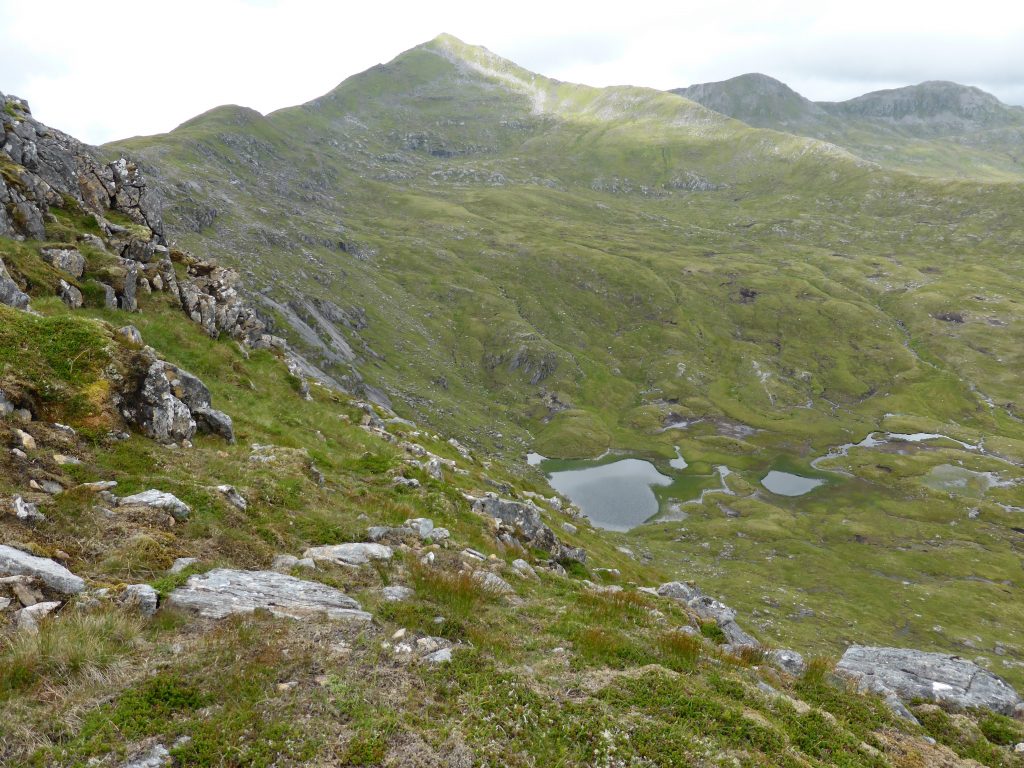
I loved the time I spent walking in Macrow’s footsteps and wild swimming in the lochs. It turned out to be a truly life affirming experience. After such a difficult time, I was able to finally find peace in the beauty of nature. I felt I’d regained my self-esteem by completing the challenge. My body felt refreshed and rejuvenated by the repeated immersion in cold peaty water and I came to think of wild swimming as a kind of baptism, a sort of rebirth of my single self.
My life would be so much less if I hadn’t spent those few months in search of the hill lochs of Kintail. By the end of the challenge, as we reached the lochs high on remote Carn Eige, the highest mountain in Scotland north of the Great Glen, I felt ready to begin a new chapter of my life. I had discovered the healing power of wild swimming and felt strengthened and renewed by it.
I hope my book encourages other wild swimmers to swim the 28 hill lochs of Kintail. In years to come I dare to dream that ‘Macrow’s List,’ as I’ve come to think of the challenge, could become the ‘doing the Munros’ of the wild swimming world. Now that would be something.
This article is from the May 2023 issue of Outdoor Swimmer. Click here to subscribe to the magazine.
Kellan MacInnes’s new book The Wild Swimmer of Kintail (Rymour Books, December 2022) is available from rymour.co.uk, Amazon, Waterstones and all good bookshops.

Outdoor Swimmer
Outdoor Swimmer is the magazine for outdoor swimmers by outdoor swimmers. We write about fabulous wild swimming locations, amazing swim challenges, swim training advice and swimming gear reviews.