


Unexpected conflicts over water water use
Simon Griffiths reflects on how water projects can have unintended consequences.
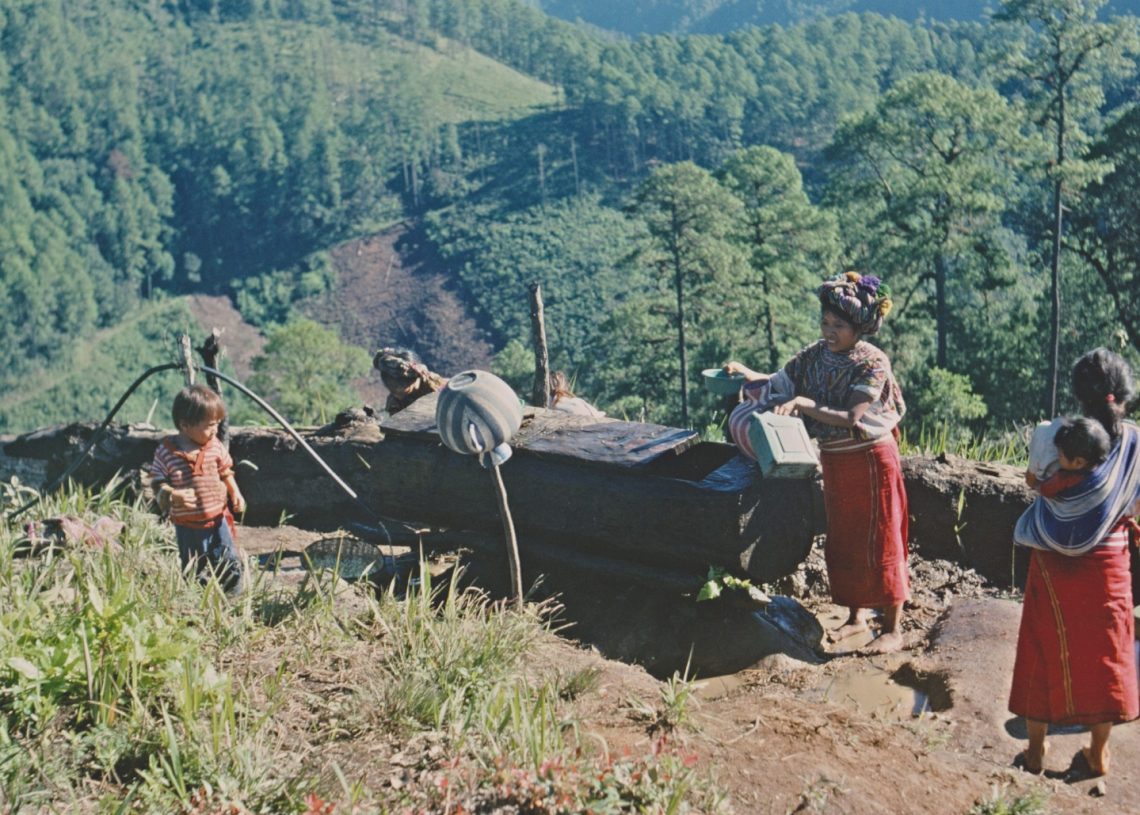
Our theme of springs and beginnings this issue takes me back 34 years, and then meanders back to the present and potential conflicts over water use. In 1989, I did voluntary work in the highlands of Guatemala. The village I worked in was a six-hour hike on mountain trails from the end of a forest track, which was as far as the bus could go. The locals lived in wood and corrugated iron huts, grew maize and beans, and kept chickens for meat and eggs. The water supply was a spring, about a 30-minute walk from the village, uphill. Women and girls collected the water.
Our project was to build a concrete box around the spring to collect the water and pipe it to tap stands in the village. All materials for the new water system had to be carried from the end of the road. The men split 50kg bags of cement in two and carried half each, which was impressive enough, but most also carried personal belongings too, and at least one put a child on his shoulders as well. They carried 6m long bundles of plastic pipes between two people, while navigating steep, windy and uneven trails.
The work progressed smoothly and we had a celebration when water started flowing from the taps. But something wasn’t right. The women weren’t happy. Saving an hour on collecting water was great, but they used to wash their clothes near the spring too. Not only had they lost their clothes washing place but also a social women-only space outside of the village. They didn’t want to wash clothes on their own next to their homes.
The solution we found was to tap into the new pipeline a short way outside of the village and build a new communal clothes-washing area. When we engineer water, our intentions are good (having clean water piped into or near our houses has saved millions of lives) but we can do harm too, especially when there are diverse demands on the water.
On a more local issue of water use
On a different scale, and in a different time and place, several swimming groups close to where I live are in danger of losing a popular swimming spot due to an engineering project. To secure drinking water supplies for the south east of England, Thames Water wants to abstract water from my local swimming spot on the Thames and pump it halfway across London to storage reservoirs. To maintain flows, they will replace the water they remove with sewage effluent. In times of low rainfall, this could amount to one third of the total flow.
Whatever reassurances Thames Water gives on water quality, I can’t imagine local swimmers will continue swimming here if the scheme goes ahead. Protecting water supplies is essential. But the lessons I learned in Guatemala need to be heeded. Thames Water are consulting on their plans, but whether they listen to the communities that will be impacted and can find a solution that allows them to continue enjoying the river remains to be seen. I fear it won’t be as simple or successful as the solution we found in Guatemala.
People have sought to control water for millennia. We use it for so many different things, from basic survival through to agriculture and recreation. It’s not surprising that conflicts arise, sometimes in unexpected ways. I didn’t expect the women in Guatemala to be unhappy about a project they benefited from. And I suspect Thames Water are surprised about the attachment people have to river swimming and their desire to defend it.

Simon Griffiths
I started Outdoor Swimmer in 2011 (initially as H2Open Magazine) as an outlet for my passion for swimming outdoors. I've been a swimmer and outdoor swimmer for as long as I remember. Swimming has made a huge difference to my life and I want to share its joys and benefits with as many people as possible. I am also the author of Swim Wild & Free: A Practical Guide to Swimming Outdoors 365 a Year, I provide one-to-one support to swimmers through Swim Mentoring and I'm the creator of the Renaissance Swimmer project.