
Two modes swim training
Simon Griffiths explains why it’s beneficial to have two modes for your swimming training, which can sometimes mean leaving the sports watch at home
Most swimmers I meet would like to be able to swim further or faster, or both. We could probably all be better swimmers if we consistently followed a structured, progressive training plan that included the following elements:
• Gradual increase in training volume
• Training sessions specific to you and your goals
• Regular strength and mobility training
• Dedicated swimming technique sessions
• Regular and sufficient sleep and rest
• A nutritious diet
You probably knew this already. Let’s call this “Mode 1” training. It’s what you do when you’ve set yourself a goal beyond your current level of fitness and competence.
But this type of training is hard. It taxes you mentally as well as physically. You set aside other things you like to do. While I see people successfully progressing from one big challenge to the next, for most of
us, training in this way is unsustainable. I’ve also seen people who are so burnt out after training for a challenge that they walk away from swimming, which is a shame as swimming offers so much more than tough swims.
And this is where Mode 2 training can help.
With Mode 2 training, the aim is not to become a better swimmer. Instead, the objective is to use swimming to help you live better. In Mode 2 you swim to energise rather than exhaust yourself. You swim to maintain your fitness and feel for the water rather than improve it. Mostly you just swim to feel good.
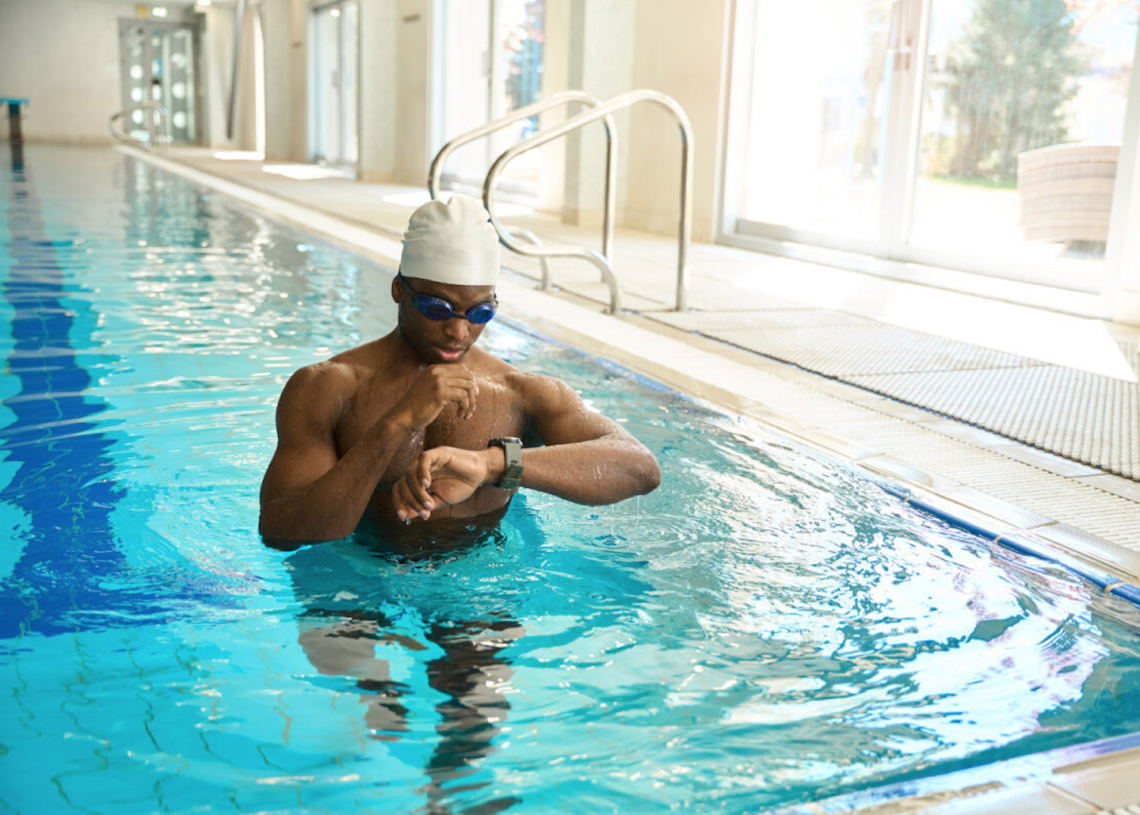
In Mode 2 training, if you want to flip onto your back to drift and watch the clouds, then do it. If you want to do something else on a day you had a swim planned, then go ahead. You might swap out a hard training session for social swim with your friends or hold back during that early morning session so you’re not wiped out for the rest of the day and can work effectively or do other activities. You can leave your sports watch behind.
This doesn’t mean turning your back on the actions that could make you a better swimmer but rather taking them less seriously and being more relaxed about whether or not they happen. Firstly, this should make them a little more enjoyable.
You approach training with the mindset of wanting or choosing to do it rather than having to. Secondly, it’s liberating to enjoy and appreciate swimming for what it is in the moment and care less about the outcome. Whether you become a better swimmer or not, you can shrug and smile, knowing that your life is better because of swimming.
I’d even go as far as to suggest considering Mode 2 as your default approach to swimming, especially if you’ve already reached a base level of competence and confidence where further improvements will not add a huge value to your life. Unless you’re an elite swimmer, your livelihood doesn’t depend on being the best swimmer you could be. While it would be nice to be a better swimmer, it’s not necessary. Mode 2 is your route to life-long swimming and all the benefits that come with that.
But what if I really do need to be a better swimmer?
The happy-go-lucky approach to swimming training is wonderful until you’re inspired to sign up for challenges that you would struggle to complete with your current levels of fitness and proficiency. You then should switch to Mode 1. The bigger the gap between where you are and where you want to get to, the more effort you will need to put in, and the more time you need to allow for.
Create yourself a structured progressive training plan around the principles above and get to work. Enlist the help of a coach if you need help filling in the details or want specific advice on your challenge.
But once you’re done with your challenge, give yourself a break. Go back to Mode 2, and let yourself be restored, physically and mentally. Even if you have huge swimming goals and ambitions, I’d spend at least a couple of weeks a year in Mode 2. You will be able to tackle your Mode 1 training with much more enthusiasm if you are relaxed and rested when you start.
Read more of our swim training articles.

Simon Griffiths
I started Outdoor Swimmer in 2011 (initially as H2Open Magazine) as an outlet for my passion for swimming outdoors. I've been a swimmer and outdoor swimmer for as long as I remember. Swimming has made a huge difference to my life and I want to share its joys and benefits with as many people as possible. I am also the author of Swim Wild & Free: A Practical Guide to Swimming Outdoors 365 a Year, I provide one-to-one support to swimmers through Swim Mentoring and I'm the creator of the Renaissance Swimmer project.