


Why swimming pools matter to outdoor swimming
As public swimming pools face rising costs, closures and dwindling investment, communities are fighting to save them. Rowan Clarke explores why pools are so important to outdoor swimming – from teaching water safety and building confidence to creating accessible routes into open water and bringing communities together.
The swimming pool: you can smell the chlorine just by imagining it. To outdoor swimmers, tiled tanks of treated water can seem unappealing compared to wild, moving, natural water and expansive horizons. But they’re neither inferior nor separate from outdoor swimming; they’re equally important parts of the same story, offering the same benefits of freedom, community, health and personal growth. What’s more, swimming pools play an essential role in health equality, saving lives, and providing gateways to open water.
So, why are they so overlooked, undervalued and neglected? Why are public pools closing at an alarming rate? We spoke to pool supporters and lido lovers about how they’re turning the tide on our declining swimming pool stock, saving them from closure, and reshaping them for the future – and why that’s so important for outdoor swimming.
The rise of the pool
The first public swimming pool, the riverfed Cleveland Pool in Bath, opened in 1815. Founded by the Romans, the city’s famous spas, baths and sanitoriums were reserved for the Georgian gentry. It was the same across the UK – general public washed and swam in rivers until 19th century industrialisation and morality made it unsafe and improper.
“The River Clyde was dredged and deepened for ships. This had an impact on the flow of water,” says Lucy Jane, who’s researching Glasgow’s swimming history for her PhD. “In June 1880, a city by-law then banned all swimming in the river at the Green due to the dangerous conditions.”
Like many city rivers, the Clyde’s flow, shipping traffic and pollution made swimming dangerous. She describes the noxious smell of the river polluted by gas-tar: “Gas tar was a product from the process of generating gas and was a white-coloured substance that floated on the surface of the water and would also cover the swimmers,” she says.
Public baths were, therefore, a necessity for health and cleanliness, and in 1846 a new Baths and Washhouses Act was passed to allow local governments to build them freely. By the start of the 20th century, there was a huge shift from basic hygiene to spaces for municipal pride, sport and social recreation. Councils built ornate pools featuring beautiful brickwork, glazed tiles, and separate first- and second-class entrances as symbols of civic pride.
Swimming pool renaissance
Many of us would have learned to swim in those pools. But, after more than century of use and with a chronic lack of investment, they began to show their age. Out-of-date heating and filtration systems made pools expensive to run, so local councils had to subsidise them, with many being forced to close. In 2025, Swim England and ukactive reported the loss of 500 pools across the UK, mainly from areas with higher social deprivation and therefore greater demand on government funding.
“I don’t think people have a perception of what the real cost of a swim is – to heat the water and chlorinate it, to heat the building, to keep it clean and staff it.” says Harry Smith, Director at Sea Lanes. “When we first discussed getting involved in swimming pools, everyone said, there’s no profit, you’ll just lose money. But we’ve created this model that has a blended income. There’s great opportunity for private businesses providing leisure facilities, rethinking the income models and taking a more blended approach – creating destinations rather than facilities in isolation.”
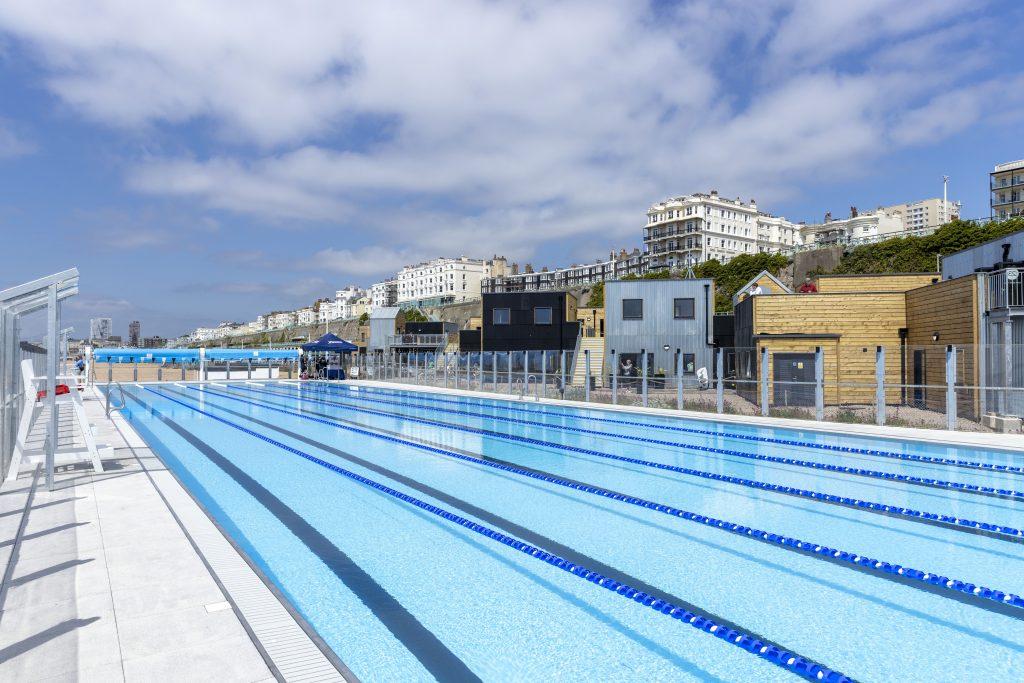
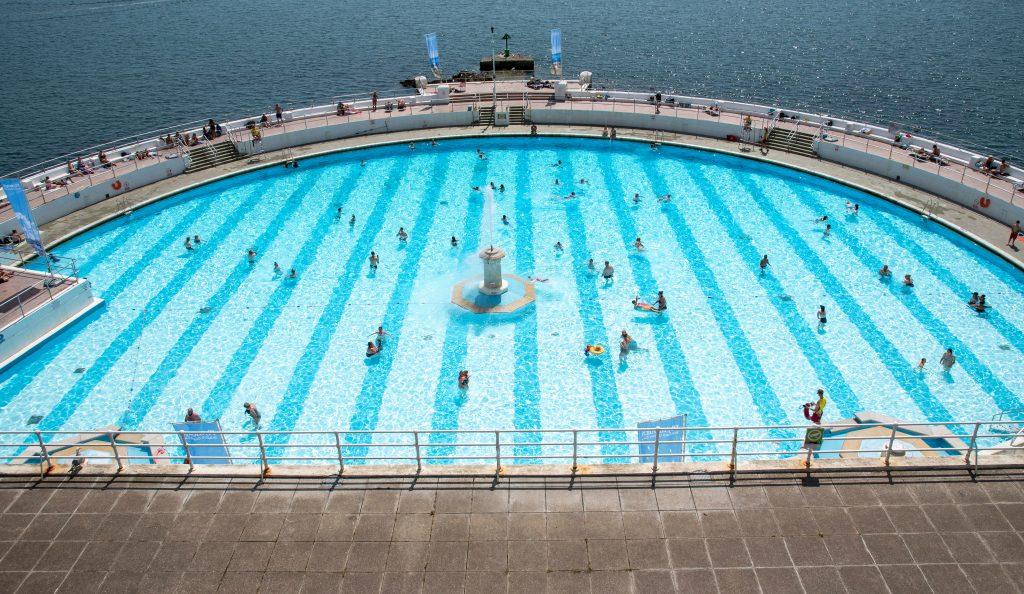
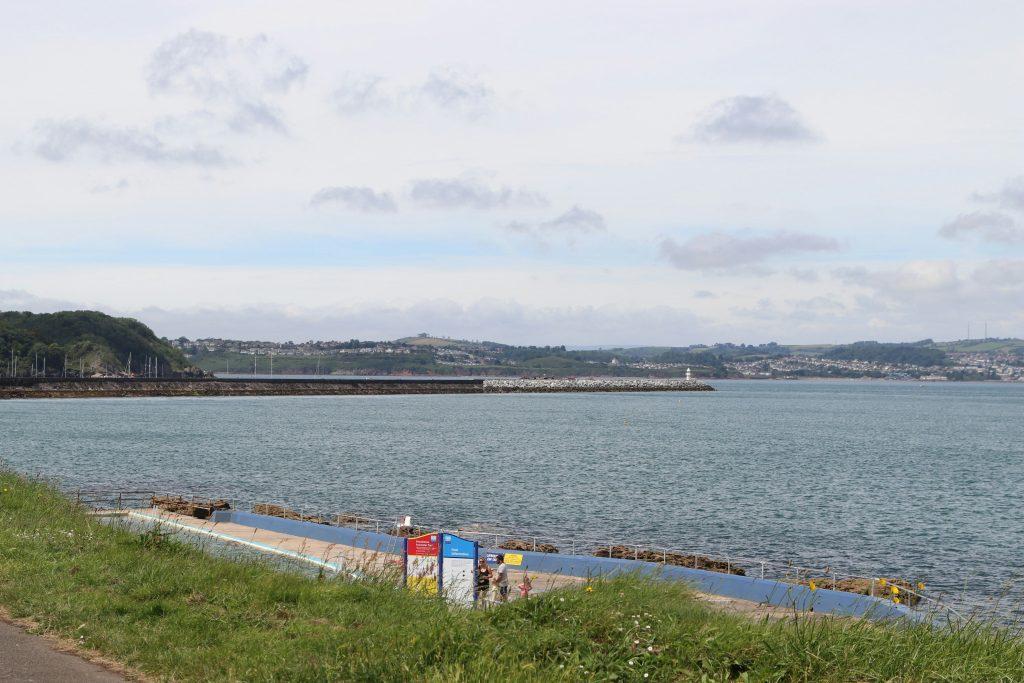
This isn’t only true of beautiful new pools like Sea Lanes, but also old pools like the neo-classical Art Deco Jubilee Pool in Bristol, which first opened in 1937 and was saved from closure by its community, and Shoalstone Pool in Brixham, Devon, which has recently been renovated thanks to grants, public crowdfunding and hard graft by local people.
“People had taken the day off work, skilled people from different trades and backgrounds, everyone giving up their time to help,” says Operations Manager, Olly Hall-Green. “It was really overwhelming and really positive.”
Remaining free to use, Olly explains how Shoalstone’s surrounding wellbeing classes raise money for the pool: “We’ve managed to raise about £850 in three weeks. So, rather than charging entry, there are so many other opportunities to fund it in different ways.”
Why we need pools
More like a tidal pool than lido, Shoalstone’s free entry is rare, and paying to swim is a tension felt by outdoor swimmers – why pay when you can swim for free in the sea, rivers, lakes or lochs?
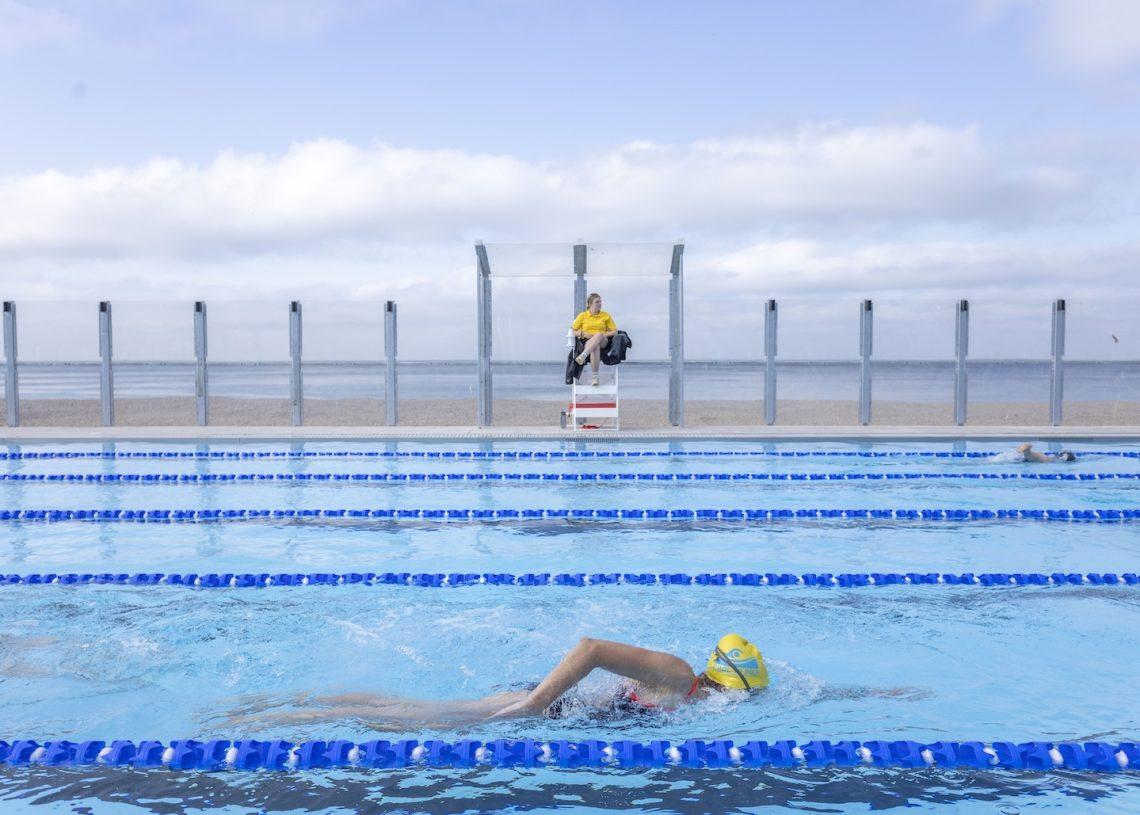
But outdoor swimming isn’t accessible to everyone all the time. In both Brixham and Brighton, the sea is at times unswimmable even to the most competent, experienced sea swimmers. But you can still swim in Shoalstone and Sea Lanes with the ocean just beyond the pool.
“The vision has always been that Sea Lanes Brighton was the stepping stone to the sea because of our location on the beach,” says Harry. “That’s what has helped us develop it as a training pool with a coaching programme that sits alongside it to ensure that people have the opportunities to gain confidence before going into the sea.”
The very features that turn off some outdoor swimmers from pools makes them invaluable: predictability and controllability, in safe, sanitised spaces. Swimming pools didn’t just help us learn to swim in the past, they’re in our present and future as places to train, improve our swimming and practise specific skills.
Described by author of The Lido Guide, Emma Pusill, as a “halfway house”, outdoor pools and lidos offer winter swimmers cold water, but in a form that’s contained, staffed and forgiving.
“People come to the [cold water intro] sessions we run at Portishead and get a good grounding in making their own risk assessments,” she says. “They get an education, they get to try it out in a safe environment where there are lifeguards, where they know that when the weather is poor, they can nip inside. A lot of those people will stick in the halfway house because they’re happy with those extra risk-management measures. But a lot of them – probably the majority – will go on to try somewhere a bit wilder.”
Levelling the water
This emphasis on learning is key. After a long, hot summer marred by accidental drownings, there’s a very clear need for safe places to learn water safety and swimming skills. And swimming pools are those safe places.
“For future projects, we’re looking at how you can have a venue with a complete pathway from never having been in the water to having the skills and confidence to swim safely in open water,” says Harry. “It’s about changing the perception of swimming from a life skill to life-saving skill.”
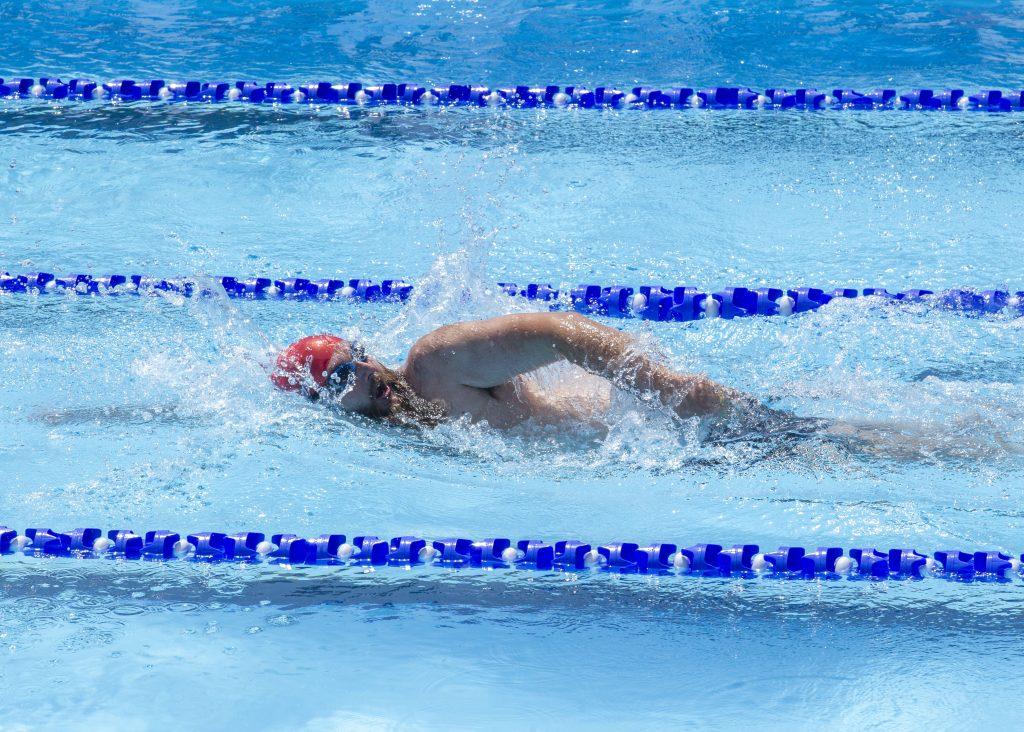
Life-saving, and also life-changing. Just look at Level Water, the charity behind some our favourite outdoor swimming events like the Batham Swoosh, that funds swimming lessons for children with disabilities.
“Pools allow us to create a standard that is repeatable across the country, so that any young person, regardless of disability, is empowered to take part and learn to swim,” says Andy Punter, who joined the charity as Fundraising Director this year. “Just learning to swim is a massive achievement, and it can set you up for a lifetime of activity and love of sport. For us, swimming pools are really the bedrock of everything that we do.”
It’s not just about learning to swim. Andy describes meeting a Level Water graduate at the Mini Swoosh who was buzzing from completing the swim. Swimming, he explains, is a vehicle for self-efficacy, resilience and confidence: qualities particularly important for people facing barriers elsewhere in society.
Katie Kenny, co-founder of Team Mermaids, sees that principle with her son Max, who has non-verbal autism. He has lessons, and also loves finding his own way in the water. At Tooting Lido, a quiet Sunday hour is “the best time of his weekend.”
“That was a game changer, because it was difficult to take him to the leisure centre when he was small,” says Katie. “It gave him the ability to learn. He doesn’t swim in any traditional sense, but he can propel himself through the water. Swimming in the sea is his favourite thing in the world. That’s all really because of the patience of those teachers.”
Social hubs
Team Mermaids highlight the role of pools in passing a love of swimming between generations. Outside of swimming lessons, children can safely play with siblings and friends, building confidence without the variables of open water. Fellow co-founder Amanda Read explains how her youngest daughter who once found bathtime traumatic, is now a water lover.
“I joked she was like the 25-year-old sunbather because she would sit there with her book while we were all in the water,” says Amanda. “Katie and our other friends have been so supportive. Katie would take Miles, my eldest, off to the deep end with her son so that I could play with Maisie in the shallow end. Slowly but surely, seeing other people swimming and understanding how much fun it is, she’s completely skyrocketed. Last week, I had her in Lake Annecy, in another lake and in the sea on the Ligurian coast.”
As outdoor swimmers, we understand about community in our swim spots. But pools, especially outdoor pools and lidos, can have equally vibrant communities, providing social hubs for generations of swimmers. When Katie and Amanda first met, they were responsibility-free – from training together at 6am on a Saturday, to going with their children on Sunday afternoons. Tooting Bec has accompanied them through life stages and events.
“London is a massive place and everyone can quite happily go about their business without needing to interact with anyone,” says Amanda. “Whereas the lido is our hub and grounding point. When I met Katie, I was bold about asking her for a swim because I had just moved to London and didn’t have friends outside work. At the lido, it doesn’t matter what people do. Everyone’s there to relax and enjoy the water in whatever form that means for them.”
Our affection for swimming pools is most apparent when communities fight to save them from closure, but it’s more common than that. Many people love their local pool – their architecture and quirks, knowing the manager and remembering childhood galas, swimming lengths or just floating around with friends and family.
Pools for the future
Thanks to communities and imaginative restorations and building projects, lidos are enjoying a renaissance in the UK. Future Lidos identifies more than 30 projects working to revive or create outdoor pools. However, aaging pool plants, high energy costs, staffing shortages and shrinking local-authority budgets means the fight to save swimming pools is still on.
It’s really part of the same fight for better water quality and a right to swim – it’s about better access to swimming for all. So, we need to cherish and support our pools to give more people the unique life-changing, life-saving benefits of swimming, and continue to provide those vital links to swimming outdoors.