


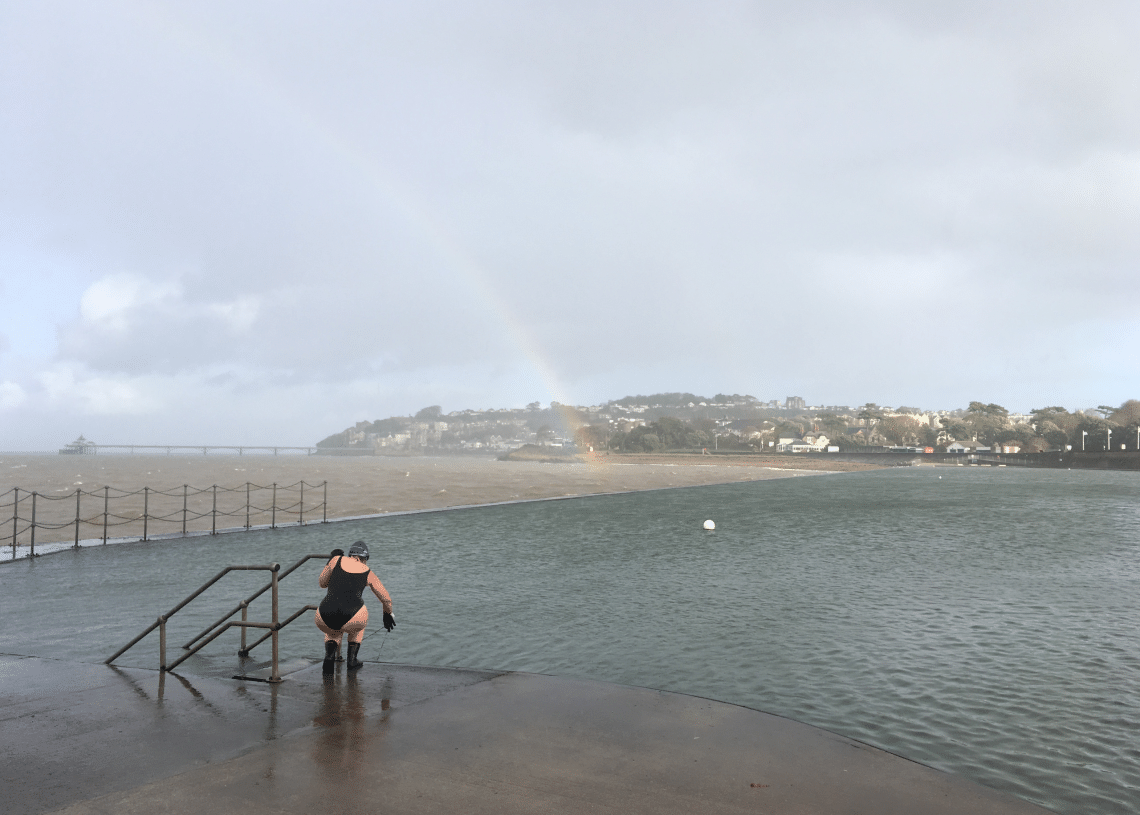
How much do you know about winter swimming?
From ice dipping to ice miles, can you separate the facts from fiction in our cold-water quiz? Answer these five questions to find out whether you’re a cold-water expert or if you put the ice in novice!
Want to learn more? Check out our Swim Through Winter programme.
Quiz
6 questions
Question 1 of 6
How long should you stay in cold water?
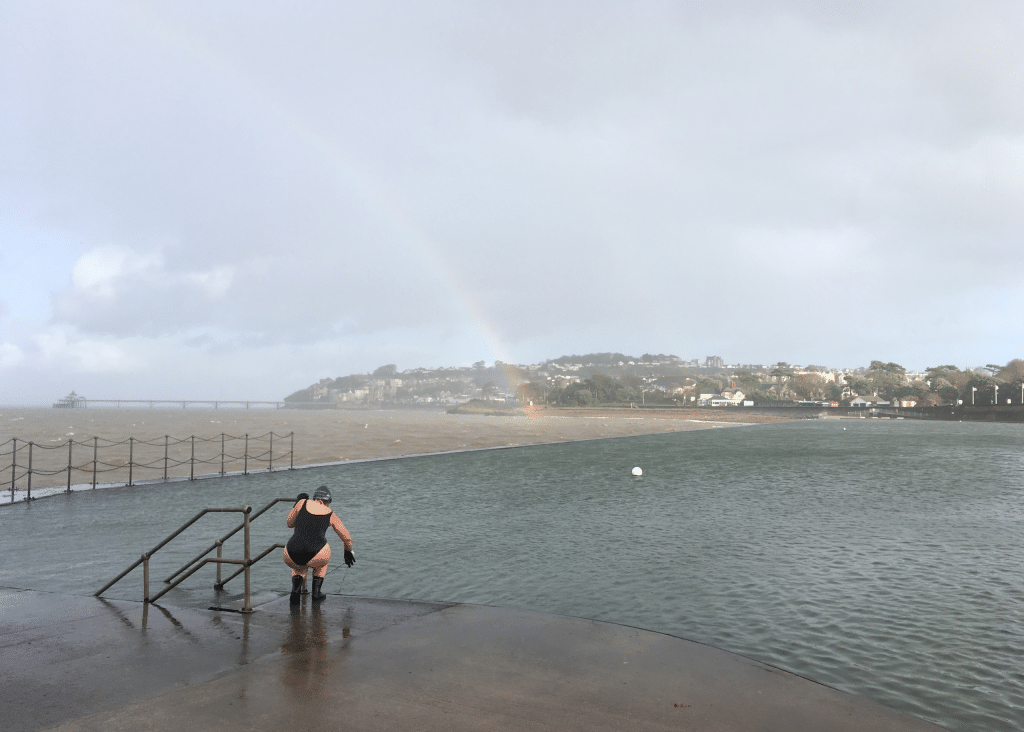
You should exit cold water while comfortable because your internal core temperature will carry on dropping while you swim and even after you've exited the water.
Question 2 of 6
You’re swimming in ice water and feel a wave of warmth and total comfort. What does this usually mean?
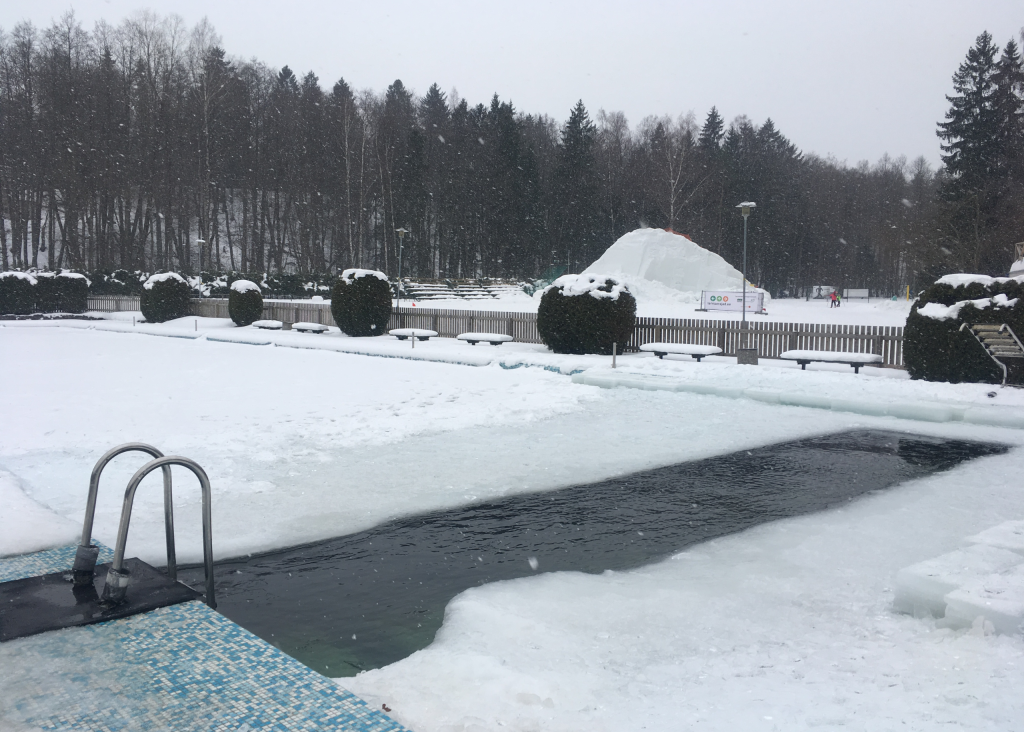
One of the most dangerous effects of hypothermia is that your brain becomes slow and foggy, meaning that you're no longer able to gauge your own condition. As you become moderately or severely hypothermic, you can start feeling warm. If you ever encounter a swimmer feeling warm in or out of the water, call 999 and explain the situation. While you wait for help, follow these simple guidelines from the RNLI: https://rnli.org/magazine/magazine-featured-list/2015/november/how-to-handle-hypothermia
Question 3 of 6
When is a winter swimmer at the highest risk of fainting or experiencing a dangerous drop in core temperature?
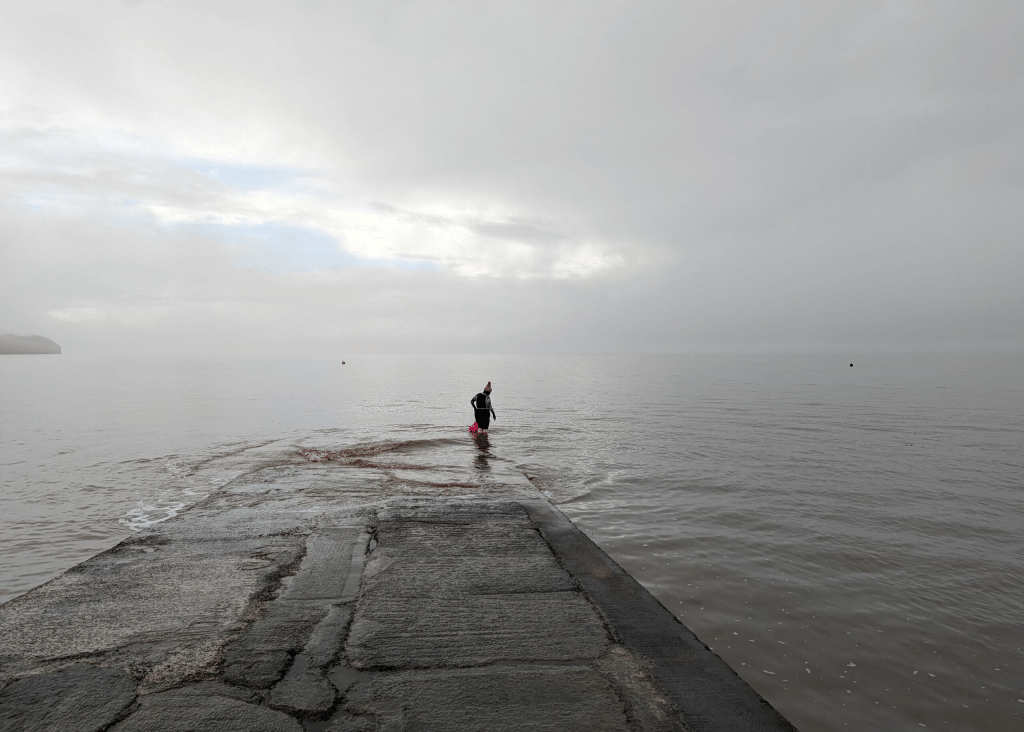
When you get out of cold water, both your core temperature and blood pressure drop. This is known as the 'afterdrop'. It can cause you to feel very cold, shiver, and sometimes, feel faint or dizzy.
Question 4 of 6
What is thought to cause the afterdrop?
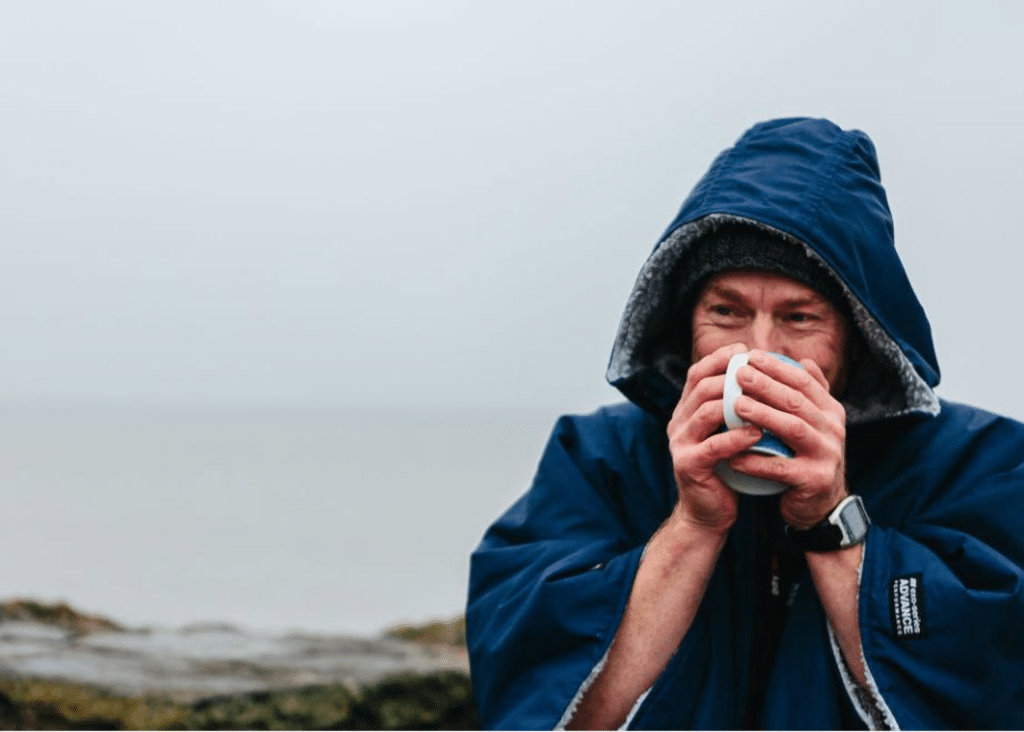
The belief that afterdrop is primarily driven by vasodilation releasing a convective rush of cold blood back to the core has been refuted by cold-water physiologists like Professor Mike Tipton. Modern research shows that under normal, passive recovery conditions, afterdrop is a conductive phenomenon, not a circulatory one. When you swim in ice water, your body cools from the outside in, establishing a steep thermal gradient between your warm core and your freezing outer tissues. When you exit the water, that physical cooling process doesn't stop just because your skin is dry. The cold front continues to travel inward by conduction, pulling heat away from your vital organs and into the cooler intermediate layers of tissue meaning you're actually coldest between 10 and 45 minutes after your swim.
Question 5 of 6
Many winter swimmers experience a powerful 'high' after a swim. What is the main chemical driver behind this positive mood?

During the initial cold water shock, our bodies experiences significant stress and discomfort so it releases endorphins, which reduce pain and enhance feelings of well-being. Cold water also activates the sympathetic nervous system which spikes noradrenaline (also known as norepinephrine). This is an excitatory neurotransmitter that helps manage stress, boosts energy and increases focus and blood flow to the brain, which can also give feelings of euphoria.
Question 6 of 6
Should you have a shower or bath to warm up after a winter swim?

Hot showers or baths right after a cold swim can cause a sudden blood pressure drop, dizziness, or fainting. Additionally, if your skin is cold or numb, you may not be able to tell if the water temperature is too hot.
Quiz complete
Your score
