

Night training – finding the right balance
Training at night can be highly effective, and with the right balance, it can support both fitness and overall wellbeing, says swim coach Vivienne Rickman
Exercising at night often sparks debate. For some people, it is the only realistic time to train, or it feels more appealing than getting up early. Others swear by it as the perfect way to unwind after a long day, while some worry it can disrupt sleep or become easy to skip. In reality, nighttime training can be highly effective; it just depends on how it is used. With the right balance, it can support both fitness and overall wellbeing.
De-stress
One of the biggest advantages of evening exercise is its ability to help you decompress. After a day of work, responsibilities, or mental strain, exercise helps us to reset. Physical activity helps regulate our stress hormones and gives our minds something else to focus on.
Rather than carrying tension into the evening, a workout can create a clear shift from ‘work’ to ‘home’. For many people, myself included, the social element of fitness classes adds to this effect; sharing a space with others and finishing a session helps you feel really positive at the end of the day.
Evening peak
In general, the body is often better prepared for exercise later in the day. Your circadian rhythm, the body’s internal 24-hour clock that regulates sleep, energy levels, hormones, and physical performance, means many people naturally peak in the late afternoon or evening.
As body temperature rises throughout the day, muscles become more flexible and responsive. This can lead to improved strength, coordination, and reaction time. As a result, workouts may feel smoother and more efficient, and you might find you can lift slightly heavier, sustain effort for longer, or move more effectively compared to early morning sessions. However, exercising too late in the evening can interfere with this natural rhythm, particularly if it is very intense or close to bedtime.
More time, less pressure
One of the most appealing aspects of evening exercise is simply having more time. Workouts feel less rushed, allowing space for a proper warm-up and a focus on quality rather than speed. I especially enjoy evening classes because there is no pressure to immediately rush off afterwards. There is time to socialise, relax, and transition out of the day gradually. Over time, this can support consistency, as exercise feels less like a task squeezed into a busy schedule and more like a sustainable routine.

Controlled training
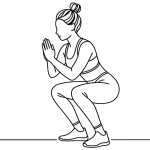
Night-time sessions are particularly well suited to lower-intensity, controlled forms of exercise that build strength without overstimulating the body.
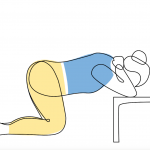
Mobility and flexibility work is especially effective in the evening, helping to release tension and improve range of motion after a day of repetitive movement. Yoga and Pilates are also excellent options, as both emphasise controlled movement, breathwork, and alignment while improving core strength and body awareness. Slower styles of yoga, such as Hatha or Yin, are particularly suited to evening practice because their long holds and deep breathing help calm the body and encourage relaxation.
Sleep, recovery, and timing
When done at the right intensity, evening exercise can support better sleep. A calm, controlled session can reduce anxiety and create a sense of physical release, especially when followed by gentle stretching or slow breathing.
However, timing and intensity are crucial. High-energy workouts late in the evening can raise adrenaline levels, increase alertness, and leave the body too stimulated to wind down properly. This may make it harder to fall asleep or reduce sleep quality. Allowing enough time to cool down before bed is key to making night training beneficial rather than disruptive.
Food and motivation
Evening exercise can sometimes complicate eating patterns. Training too soon after dinner may feel uncomfortable, while eating too late afterwards can affect digestion and sleep quality. A light snack before exercise and a simple post-workout meal often works best.
Motivation can also be a challenge after a long day, when energy levels naturally dip. Having a set routine and training with others can really help maintain consistency.
Finding your balance
Night-time exercise is neither good nor bad; it depends on how it is structured. Moderate, controlled sessions can support both fitness and recovery, while overly intense training late in the evening may have the opposite effect.
A simple approach works best: keep evening workouts calm, focused, and controlled rather than maximum effort. With the right structure, night-time exercise can become not just a convenient option but a valuable and sustainable part of a healthy routine.

Outdoor Swimmer
Outdoor Swimmer is the magazine for outdoor swimmers by outdoor swimmers. We write about fabulous wild swimming locations, amazing swim challenges, swim training advice and swimming gear reviews.