

Dive into Fife: Scotland’s pocket of sunshine
Ella Foote heads to Fife, Scotland and discovers that the sun really does shine brighter and longer on the East Coast, even in March!
The sky is a pallet of blues, greys and mauve. The only clues that it’s still early March in the UK is the sudden drop in temperature after the sun sets and the sense of glee that it’s still daylight when I peer at my watch and see it is nearing 6.30pm. I am stood in a stone tower ruin on the eastern headland of Ruby Bay, Fife. It has an energy that pulled me toward it despite the advance of nighttime and the rapidly losing light. The Elie Ness Lighthouse intermittently beams its light signal to the west of where I stand, I can see the shadow of Bass Rock across the Firth of Forth and a light blinking on the Isle of May further out to the East.
Later, I learn the tower is called Lady’s Tower and it was built in 1770 for Lady Janet Anstruther, a regular swimmer, which explains the appeal. Lady Janet would prepare to swim in a small cave on the beach below and later retire to the tower to recover. To ensure she wasn’t interrupted during her swim or when reflecting after, a servant would ring a bell in nearby Elie to alert residents it was time for her daily dip.
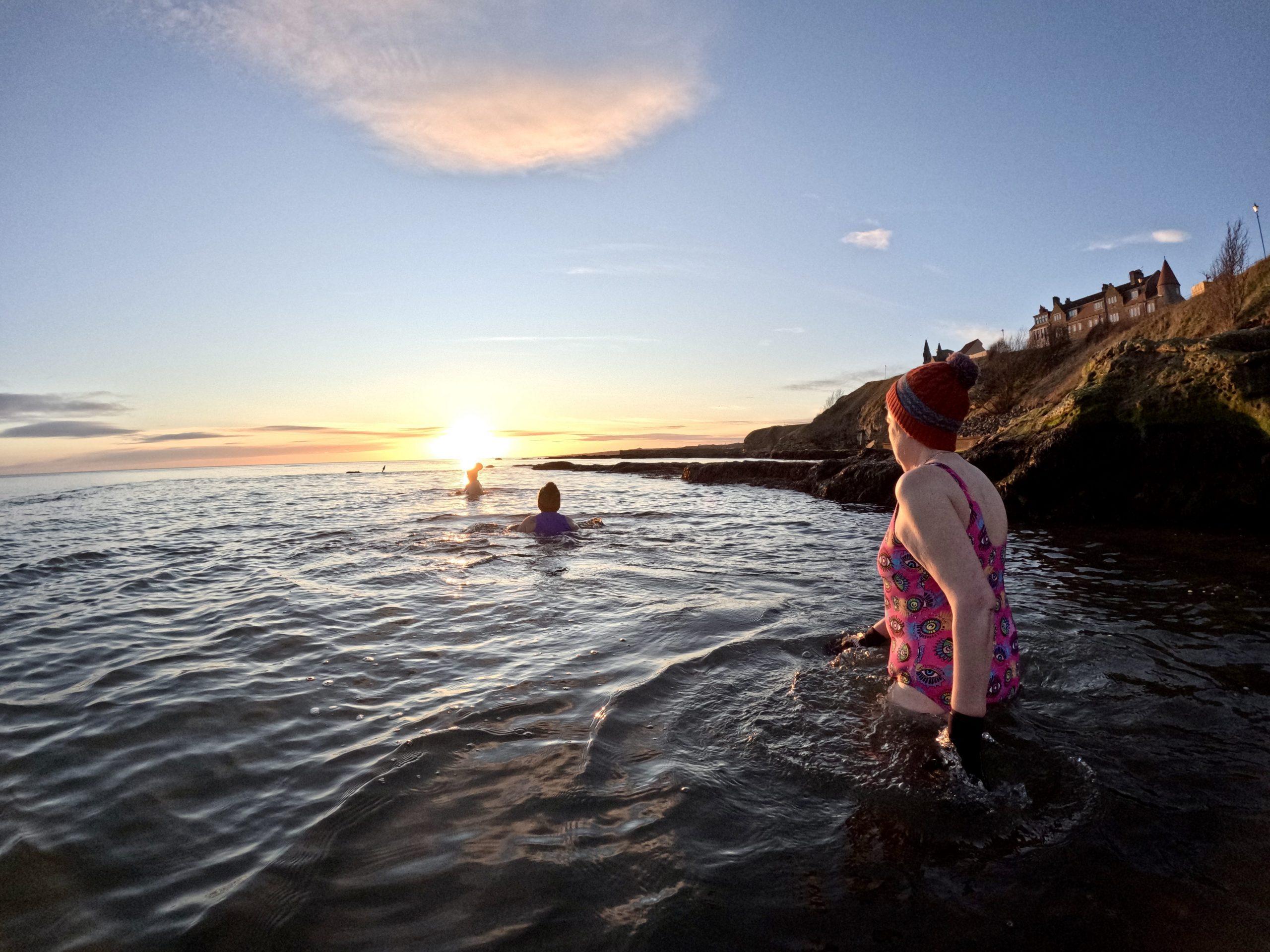
Fife is world-famous as the birthplace of golf. St Andrews is celebrated as the home of the sport, attracting countless tourists to the area. But since I have little skill or interest in golf, I’d barely paid attention to it, and if asked, my knowledge of the region would have extended only as far as the Forth Bridge, which I knew simply connected Fife to Edinburgh. But what should be more widely known is that Fife is home to Scotland’s longest continual coastal path, 117 miles of beautiful swimming opportunity. The area also has mild temperatures, moderate rainfall and 1,300+ hours of sunshine on average each year – I was lucky enough to get 36 hours of sunshine during my visit.
Locally known as the Kingdom of Fife, it has an island feel from its peninsula geography contained by the Firth of Tay to the north and Firth of Forth to the south. The coastline is outstanding with natural landmarks, picturesque villages, scenic harbours and sandy beaches. Over three days I was able to visit Elie, St Andrew’s, Crail, Cellardyke, Pittenweem and St Monans, swimming and exploring in the pretty locations. As well as plenty of beaches to swim from, Fife has a highest number of beaches with lifeguards, there are also 38 Coastal Safety Markers should people find themselves in an emergency. There are four loved and community restored tidal pools, seven outdoor coastal saunas and an abundance of brilliant places to eat.
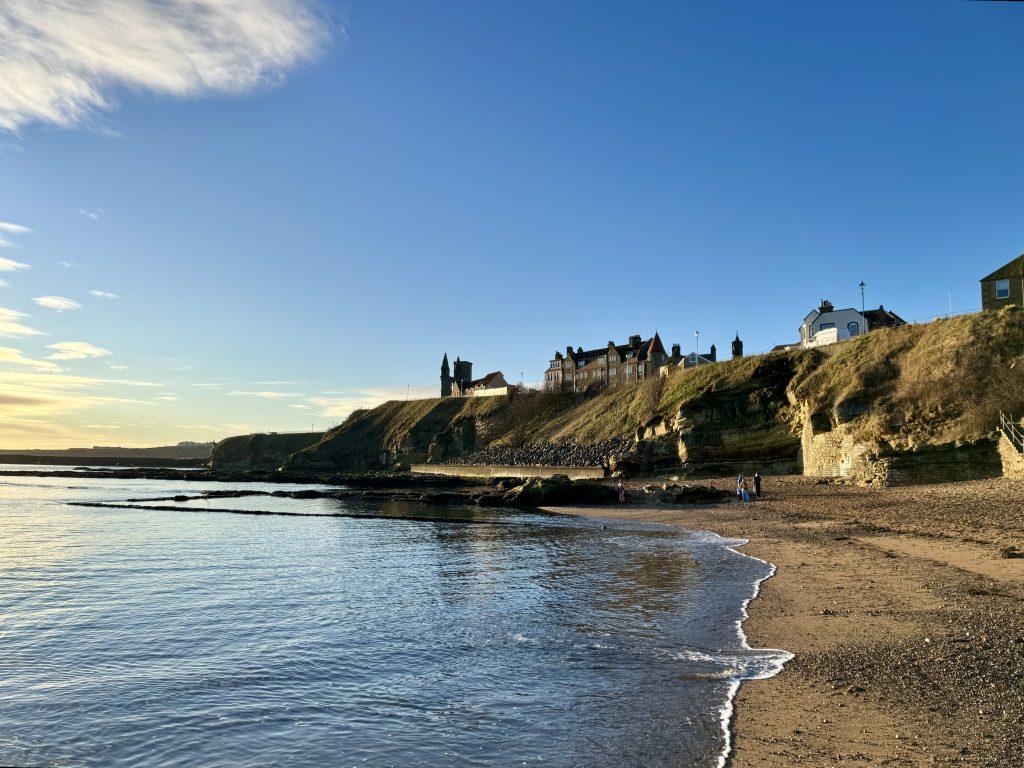
Elie and Earlsferry are two of Fife’s most popular holiday hotspots and I can understand why. Both seaside villages spill out onto a stunning beach; at low tide you can walk between locations without leaving the sand.
I stayed in The Ship Inn, right on the water and a short walk away, nestled in the dunes, you can find Elie Seaside Sauna, the region’s first public sauna. While the tradition of ‘dooking’ (cold water swimming) has been a trend in Fife for centuries, the introduction of hot and cold therapy is new to the area. Operated by Elie local, Judith Dunlop, her first sauna was a converted horse trailer and was a first of its kind in Scotland, not just Fife. Today she operates the Scottish Seaside Saunas and has four in the area.
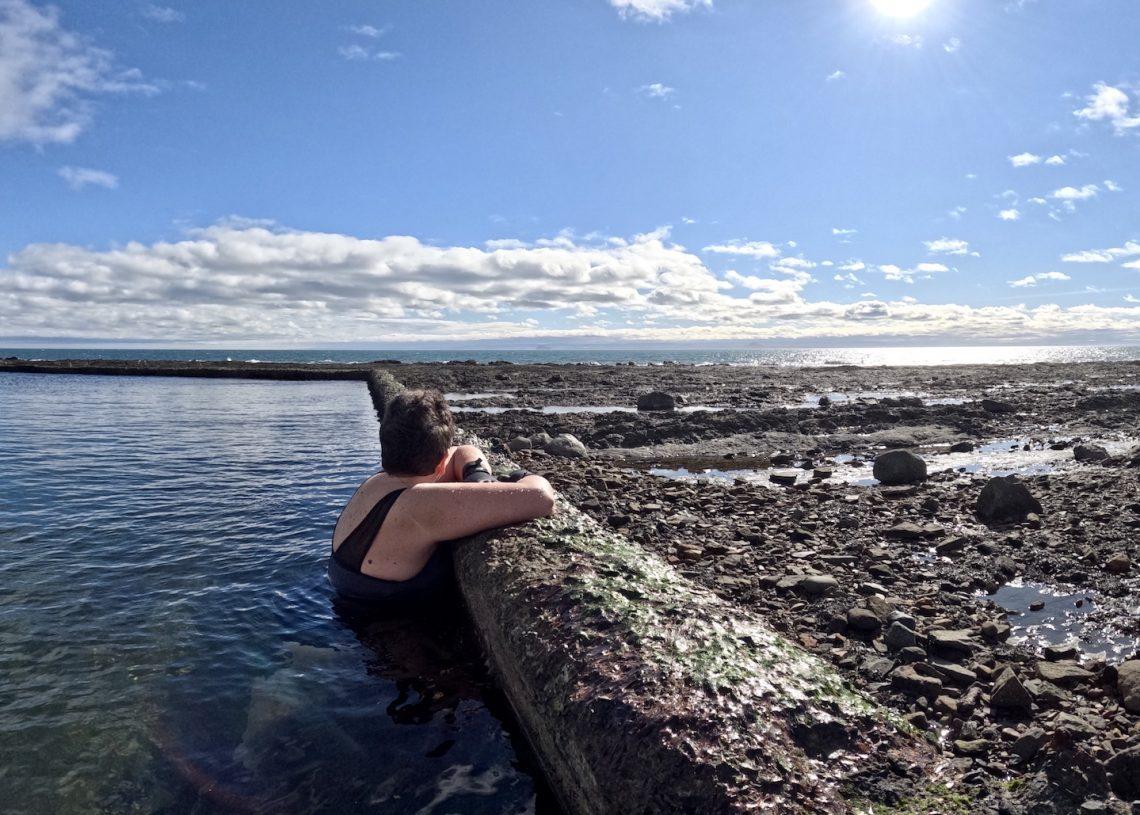
A big draw for me was the four tidal pools across East Neuk. They are iconic landmarks with a nod to Scotland’s history and a celebration of community spirit. Most of the pools (there used to be more) were created in the 1930s and, like many lidos and pools in the UK, only fell into disrepair with the rise of cheap foreign travel and indoor leisure centres in the 1960s and 70s. In recent years, with the growth in outdoor swimming, there has been a revival of Fife’s tidal pools thanks almost entirely to a number of grassroots community projects. I swam in Castle Sands, St Monans, Cellardyke and Pittenweem pools.
With more people swimming year-round, the pools offer a safe space to swim in the sea whatever the coastal conditions. The tide times were ideal during my visit and the only thing keeping me from swimming longer was the chill of the water.
Pittenweem was my favourite. The pool is 19 meters wide at the far wall, 40 meters long back to shore and it is four meters deep at its deepest point. Entirely covered at high tide, it reveals itself like magic as the tide drops. At the shore-end it is sandy and offers a gradual entry and at the sea end the pool is endless into the sea.
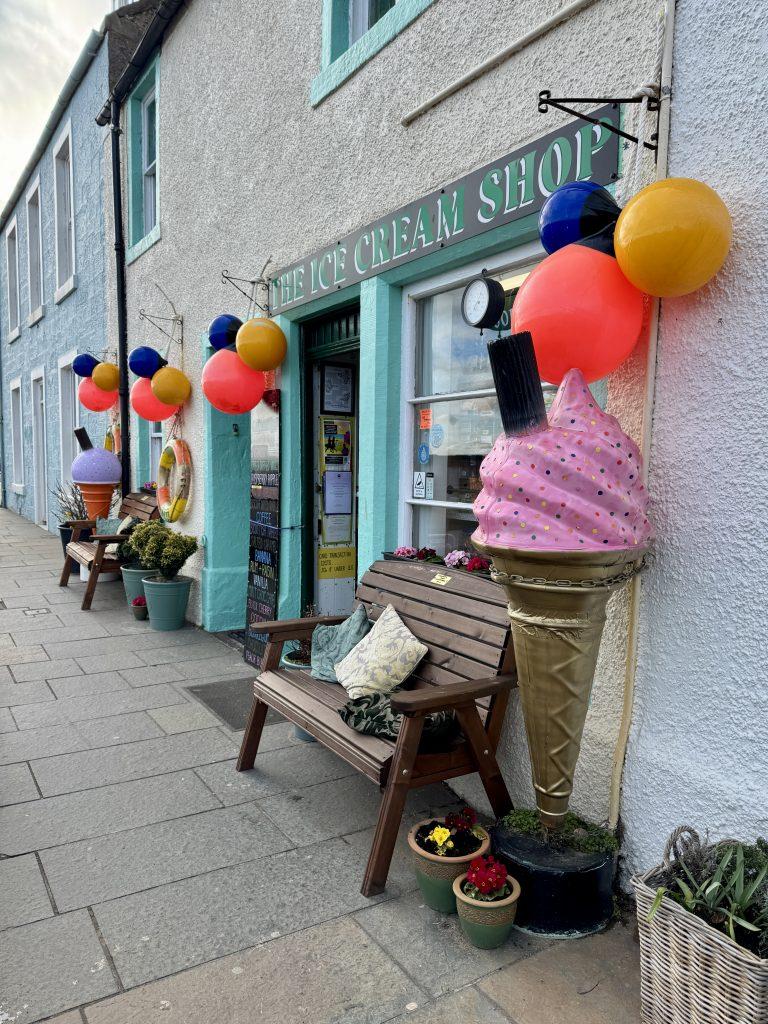
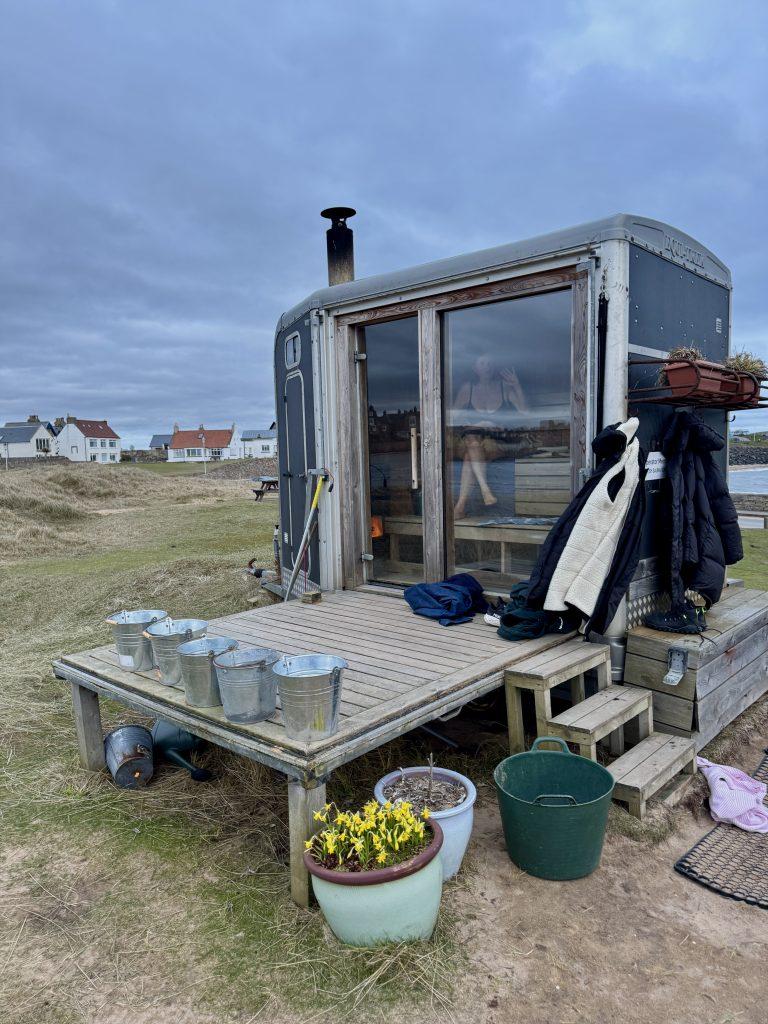
Cellardyke is the local’s favourite and I can see why. It is a cool pool. It is also huge, around 95 meters in length. In 2019 a local group of swimmers revived the pool and today it is a huge draw for both locals and tourists. I loved the natural rock formation of skellies that is the base of the outer sea wall. The pool is shallow either end and deepest in the middle. Look around and you find other joys like the coloured coat pegs along the lower sea wall and there is also one of Judith’s saunas, which was welcome after a cool swim.
St Andrews is the largest town in the area, home to golf and Scotland’s oldest university. There is an abundance of historical landmarks, medieval ruins and places to visit. For swimmers, there are long sandy beaches and another tidal pool. I visited Castle Sands tidal pool at sunrise with the local swimmers. The local students swim here with their group, the WildSaints.
I loved visiting Fife in the spring. Daffodils danced on coastal cliffs and the sunshine was a welcome highlight while exploring. It was so easy to get to the region from Edinburgh that I am already planning a return trip and keen to see it in all seasons.
Where I stayed: The Ship Inn
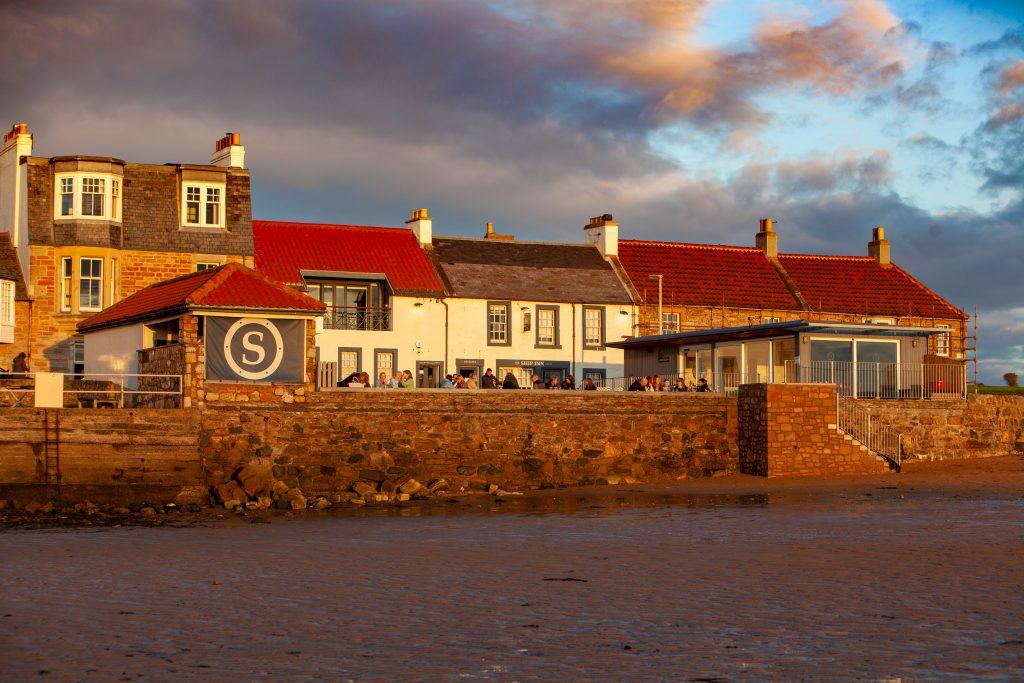
On the curve of Elie Bay, The Ship Inn sits right on the sand, offering swimmers the luxury of a post-swim pint within barefoot distance of the tide. Morning dippers can stride straight from sea to a hot shower, then refuel on a locally produced Scottish breakfast while watching the light shift over the water. With sea-view rooms and the Fife Coastal Path at its doorstep, it makes an ideal base for a swim-sleep-repeat weekend, salted hair still drying as plates of fresh seafood land on the table.
I stayed here for two nights while exploring Fife. It was the perfect location for sea-lovers and swimmers. Being able to lay in bed while watching the beach-life and weather across the sea is always a wonderful thing.
Owners Graham and Rachel Bucknall have their own personal connections to the location, which is why I think staying here feels like staying with friends. It is the kind of pub where sand is something you fight with or live with and it makes it all the better for it. There is history here and you can feel it in the walls and the maritime touches really make it feel like the place has been salted.
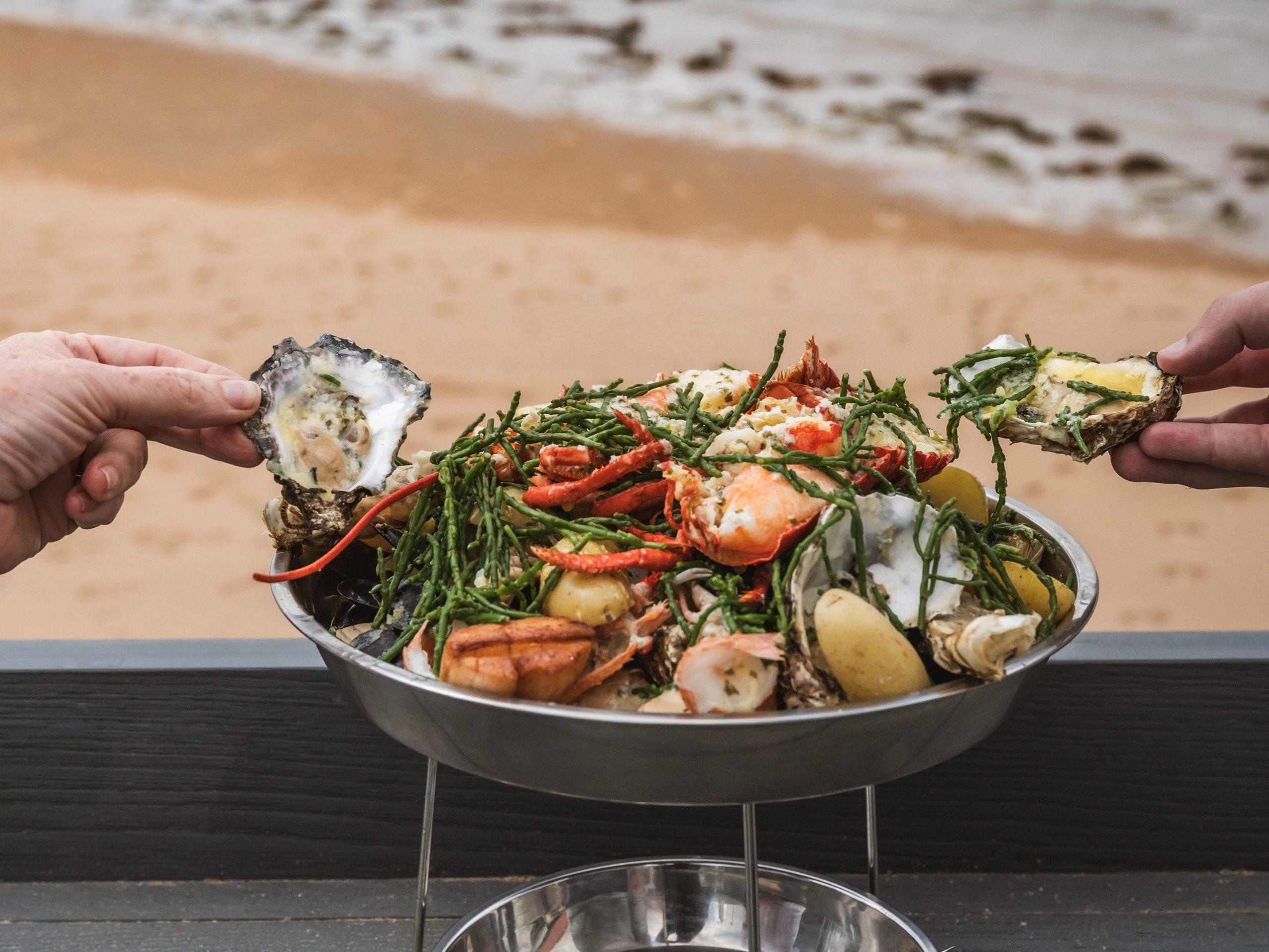
Rooms are boutique and well-equipped, with comfortable beds, Nespresso machines and local toiletries. Two rooms are dog-friendly, too. As well as the beach out front there is also Ruby Bay and Lady’s Tower beach, both great for a walk or swim. Beachcombing is a must in Scotland. The Elie Sea Sauna is a few steps from the front door and however you spend your time, when you return to the Inn each evening the team welcome you with a well-stocked bar of local spirits and beers.
The kitchen serves seasonal Scottish food, which includes popular pub favourites. I had Shetland mussels one evening and prawn linguini another, both warming and needed after a day spent outdoors. The breakfast each morning was freshly cooked and yes, the full Scottish does include haggis, which is always a bonus.
The Ship Inn welcomes people year-round and often has seasonal offers like free Sunday stays in winter. There are a range of events, including cricket matches at low tide in summer and live music. Even if you are not staying, the pub is worth a visit for a post-swim drink or warming meal. They offer a courtesy bus at weekends for collections and drop-offs in a five-mile radius of Elie, which is such a great idea.
The team here are passionate, knowledgeable and interested, willing to share their favourite local places to visit and hear about your day. This is a place to stay in all seasons, in all weathers and for all sorts of reasons. I can’t wait to return.
Where I stayed: The Shoregate
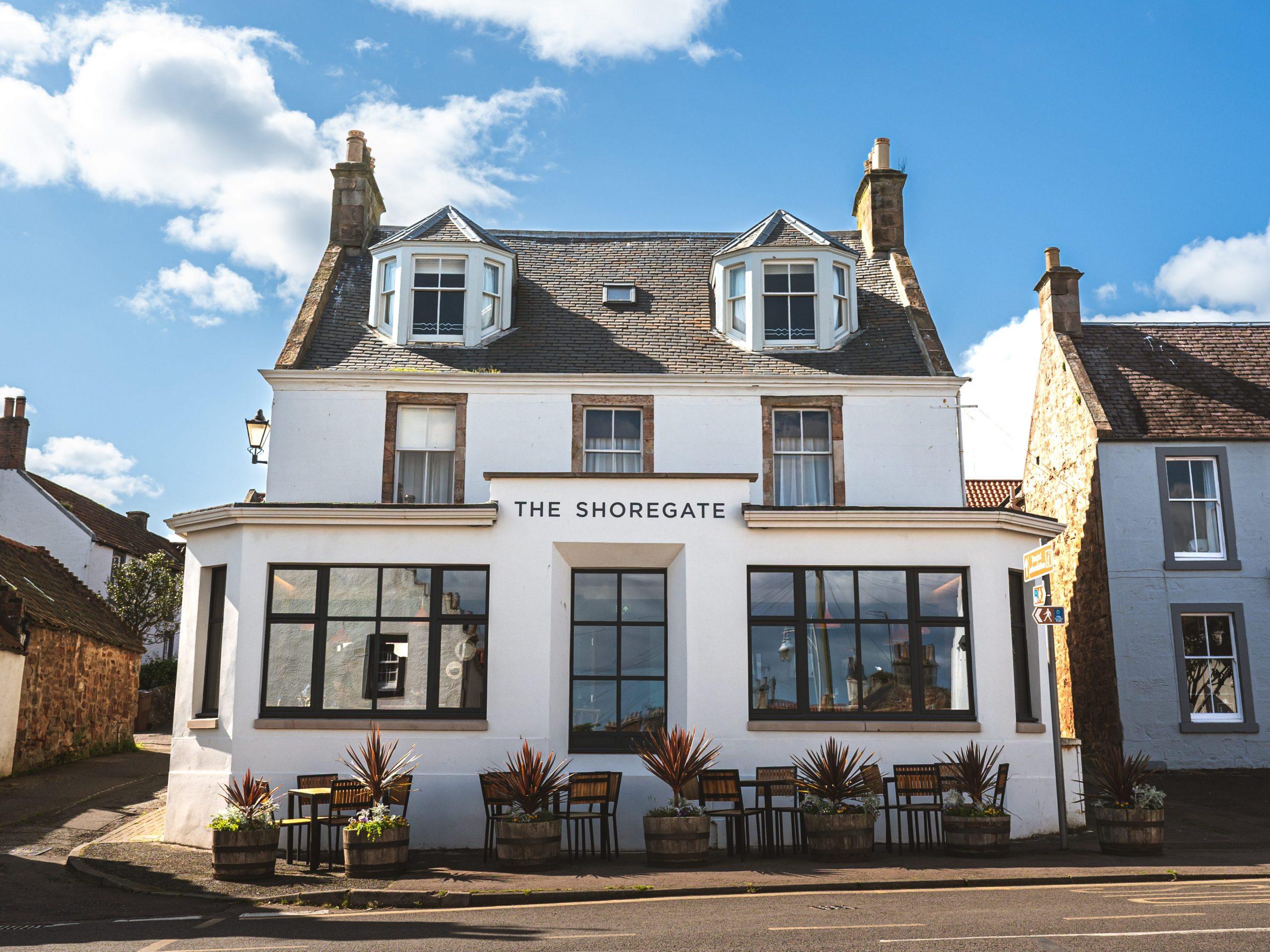
Just a short walk from Crail Harbour, The Shoregate is an 18th-century inn restored with the same care and attention that locals have shown in bringing the region’s tidal pools back to life. Operating as a hostelry since the late 1800s, it has been lovingly transformed into a warm, stylish restaurant with rooms, where stone walls, reclaimed wood, and stained glass recall the building’s history while modern touches make it a welcoming base for visitors. For outdoor swimmers, it’s ideally placed. Just a short walk from the Crail Beach, Roome Bay, or the newly revived tidal pools are only minutes from the pub door. Step inside to thaw by the fire with a local gin or pint, then refuel on a menu celebrating fresh Scottish seafood and seasonal produce. Upstairs, colourful rooms overlook the rooftops and the Firth of Forth.
Arriving at The Shoregate felt like walking into someone’s home. I loved the décor and interior details, which were fun, bright and calming. The building is spilt carefully, respecting its history while cleverly enabling the operation of a pub, restaurant and boutique accommodation. At the back of the building, what was once an old smokehouse for the original merchant’s house, is now a bar with stained glass by local artist Keny Drew and re-purposed pews from an old chapel. Out front is a dining room with Scandi-style furniture, pops of colour and large windows that lead your eye to the sea. Adjacent to a pelican lamp in the hallway, a door leads you to a vibrant staircase, which leads you to four striking bedrooms, all uniquely designed and furnished. As the only guest I was allowed a peak in all four rooms and none of them would leave you disappointed.
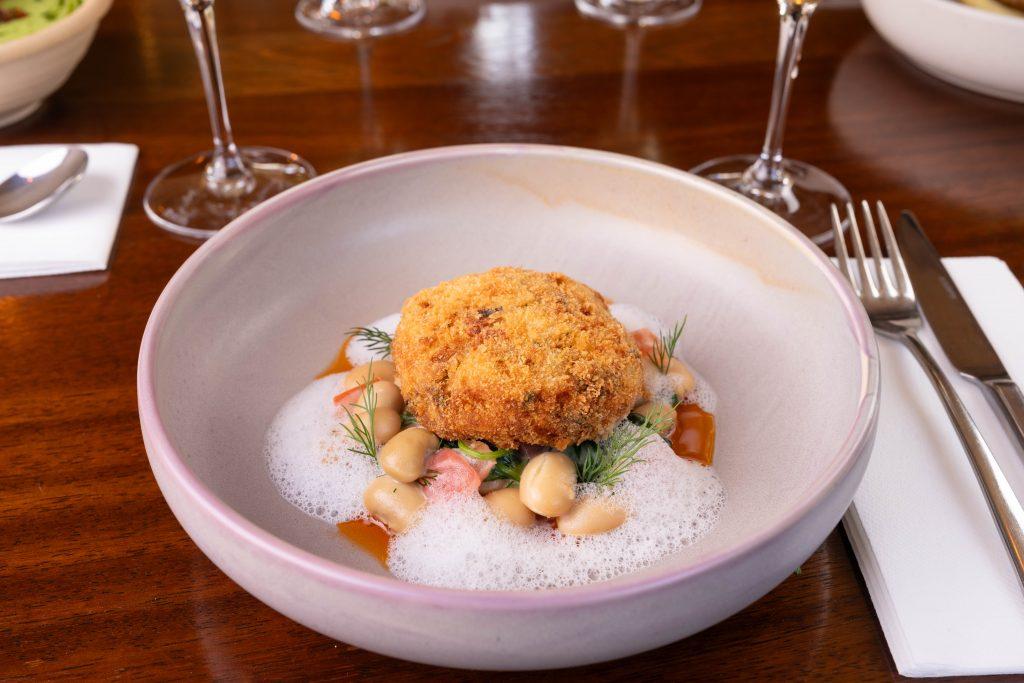
I stayed in Room 3, with a sea view, generously sized bathroom and thick towels – are essential after a post-swim hot shower. Each room comes with complimentary snacks and Tayport gin (with tonic) on arrival, which was a lovely touch. Breakfast offers classics such as Tattie Scones on the full-Scottish and eggs in all sorts of ways. The owners, Nicholas Frost and Damon Reynolds have created a welcoming place for visitors and locals. You can tell Damon spent his childhood summers in the village by the care and attention that has been given to the building and its history. I enjoyed a fantastic evening meal during my stay. The food is creative, well-presented and generously portioned. If you are in the area, you should book a table here regardless if you wish to stay or not.

Ella Foote
Ella is renowned outdoor swimmer and journalist. As well as leading the editorial, digital and experiential outputs for Outdoor Swimmer she is also Director of Dip Advisor, a swim guiding business helping people enjoy wild water. Ella also teaches swimming to children and adults, is an Open Water Coach and RLSS Open Water Lifeguard.