



From Russia with love
The popularity of outdoor swimming in Russia is steadily growing these days, Eugene Gerden reports
The popularity of outdoor swimming in Russia is rapidly growing these days despite generally tough business conditions in the country due to Western sanctions and the ongoing war with Ukraine.
In fact, rapid development of outdoor swimming in Russia began during the middle of 2014-2015 due to a significant number of outdoor swimmers in the country and a significant growth of its popularity.
However, unlike running and triathlon, open water competitions are generally a new niche for Russia. According to official data from the Russian Ministry of Sport and Tourism, last year around 450,000 people took part in running events, while the largest outdoor swim in Russia usually attracts up to 3,000 participants. This is despite the fact that Russia has some of the world’s best conditions for the development of outdoor swimming, given the diversity of the country’s water resources and the overall length of the domestic waterways, which exceed 102,000km.
According to experts from the Russian RB business paper, the industry is actively growing due to the ever increasing number of participants. It might also be due to the significant decrease of tourists going outside of Russia, caused by sanctions, as many local people prefer to spend their vacations within the country by participating in various outdoor swimming events.
According to experts from the Russian Swimming Association, the number of outdoor swimmers in Russia could be even higher as open water swimming events become more popular and attract swimmers from the pool to open water.
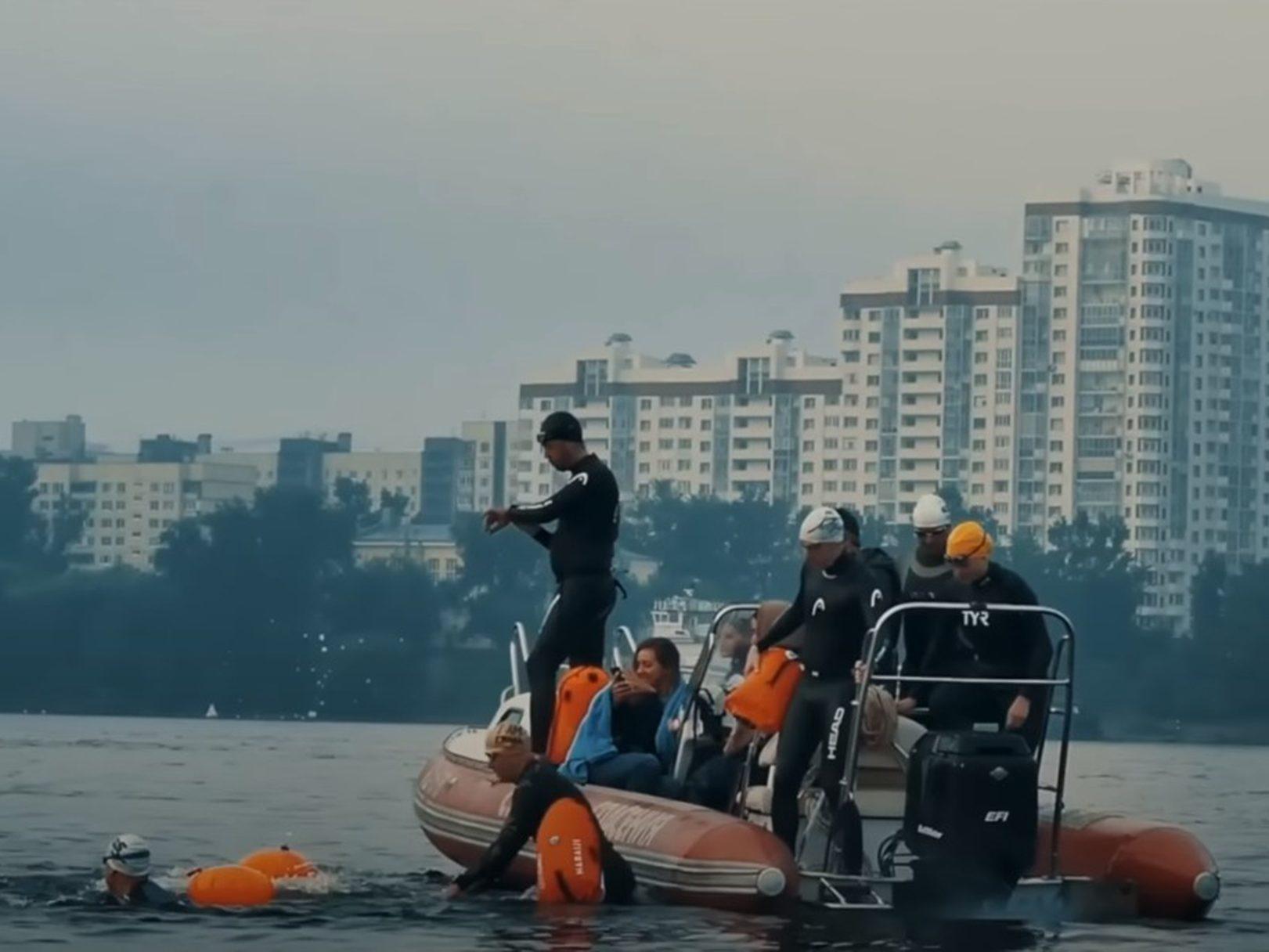
In terms of funding, the ongoing hostilities in Ukraine did not have a catastrophic effect on the country’s outdoor swimming sector as the volume of its state support has always been insignificant; most of the funding for organising events was always provided by private business. And while the war inevitably resulted in the reduction of event sponsors, any reduction in private funds was partly compensated by the provision of various grants from regional budgets.
Furthermore, the impact of the war and Western sanctions on the Russian peoples’ purchasing power did not result in the decline of an interest for outdoor swimming. According to experts from the Association, increased costs for outdoor swimming (which are generally higher than to those associated for traditional pool swimming) do not prevent people from participating in the sport.
According to Evgeniy Bezruchenko, a former world champion in open water swimming, despite the current difficulties with funding, an interest for outdoor swimming among Russians is growing, which means the entire industry has good prospects for the further growth.
In addition, in recent years there has been a significant growth of demand for amateur outdoor swimming activities among local young people and this trend is expected to be continue in 2025.
“If in the past the majority of outdoor swimmers in Russia were aged 35 and above, then at present most of participants in these events are much younger,” says Evgeniy. “Outdoor swimming is becoming more popular as training is more accessible and affordable, so a young audience with an average income has appeared”.
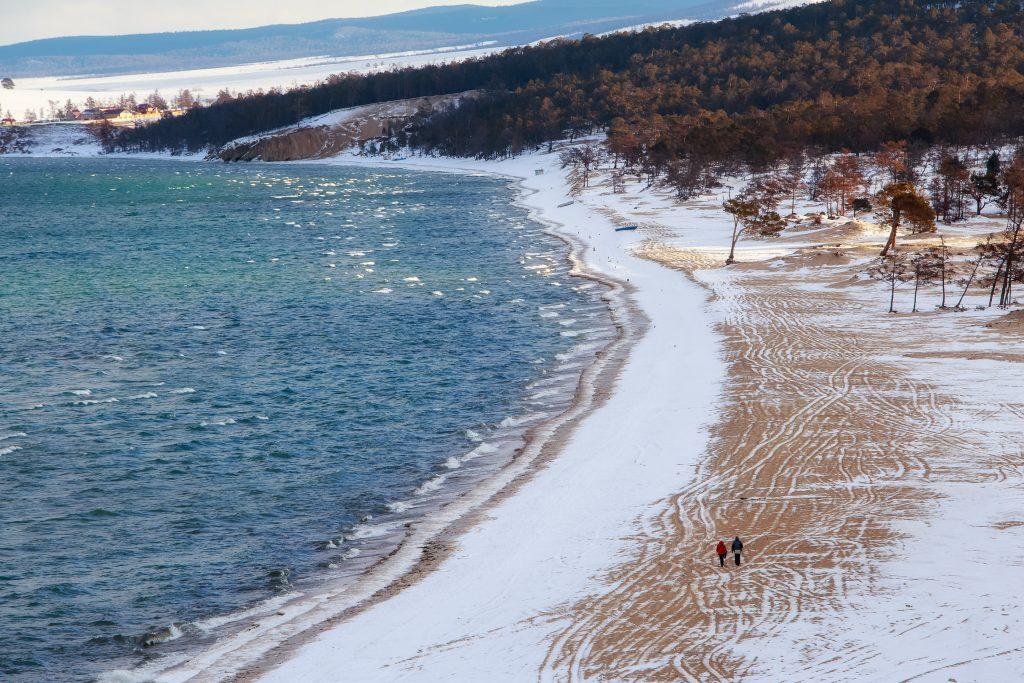
Still, despite large Russian water reserves, there are still some problems finding clean water for mass start events. One of the best options is Baikal, the world’s largest freshwater lake, however due to its remoteness from the European part of Russia, interest is rather low. Among the best options is Rybinsk Reservoir, north of Moscow, as well as several other reservoirs in the same Moscow region.
In general, the area between Moscow and St. Petersburg currently remains the most popular area for outdoor swimmers despite problems with accessing clean water.
Winter swimming
In the meantime, the popularity of winter swimming remains high, being mostly observed in the northern regions of the country and the Far East. As a rule, the season begins on 1 November and lasts until 31 October, meaning all year round.
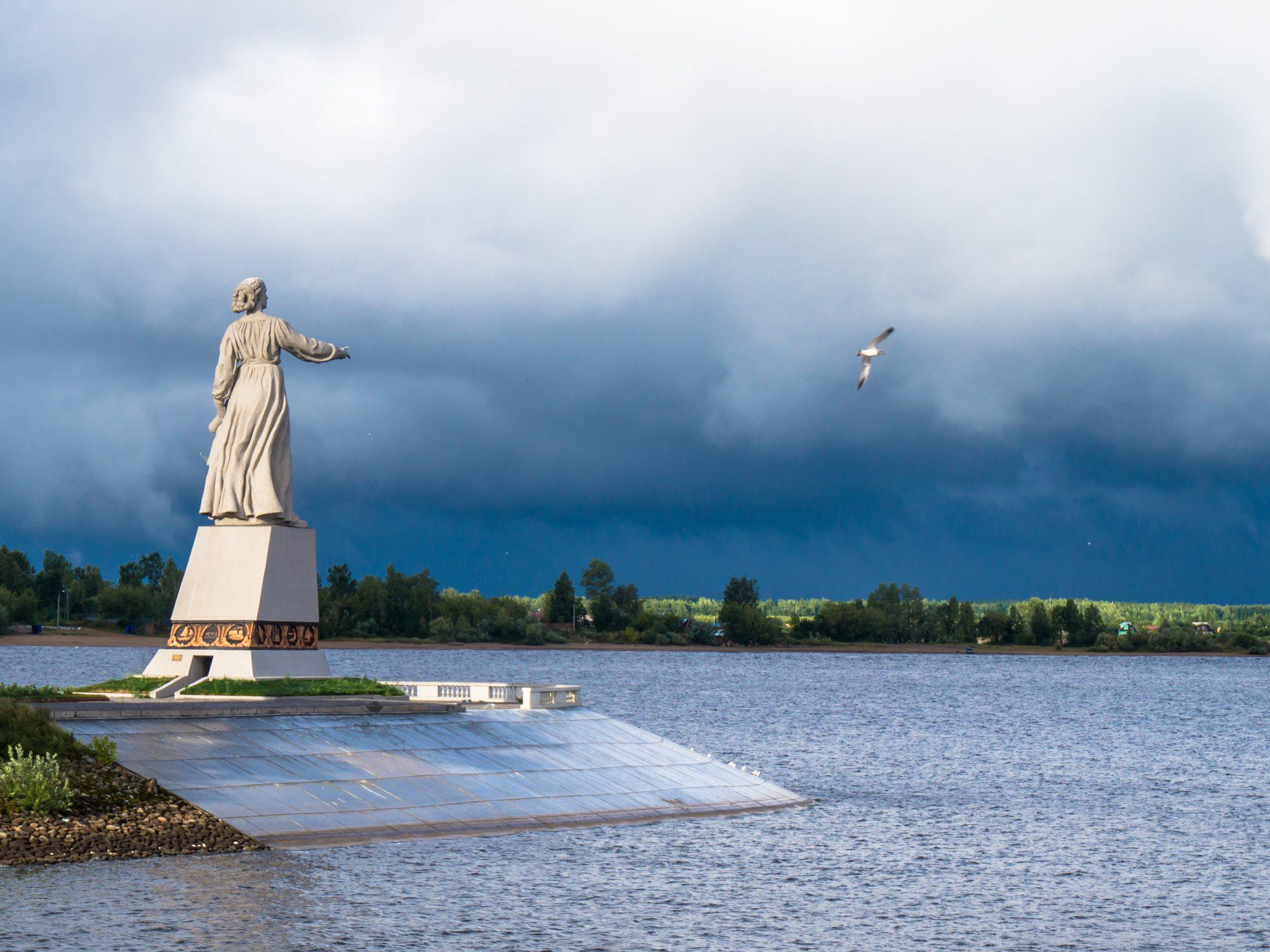
According to recent statements, made by Oleg Dokuchaev, Board Member of the Russian Winter Swimming Federation and a well-known Russian outdoor swimmer (who swam the Bering Strait) Russia regularly organises winter swimming events, including swimming tours and contests across the Bering Strait, Lake Baikal and the Amur River.
Prior to 24 February 2022, Russian swimmers actively visited the EU states and other Western countries (especially Nordic states) to participate in various events, however after this major escalation of the Russo-Ukrainian War, most of such collaboration was suspended.
Still, there are some exceptions. Yulia Ovodkova, a well-known Russian winter swimmer who swam the English Channel in 2021, is currently preparing to cross the North Channel (the strait between Scotland and Northern Ireland) and to participate in other swimming tours in Europe. While some well-known swimmers from Western countries also continue to visit Russia to participate in local events.
In the meantime, Russian outdoor swimmers are looking for possible participation in other events, particularly in China and some other so-called “friendly” states in Asia-Pacific. So far, negotiations about this have been ongoing.
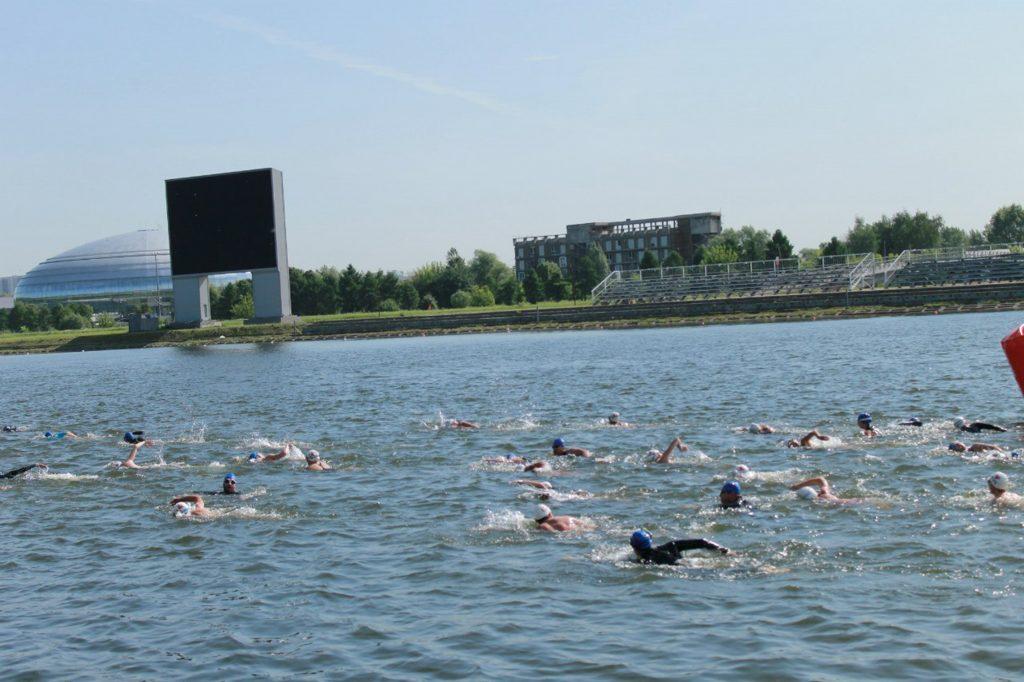
According to Dokuchaev, there are about 3,000 professional winter swimmers in Russia and 1.5 million amateurs involved in winter swimming. The country also hosts the Russia Winter Swimming Cup and The Russian Open Winter Swimming Championship, attracting both professional athletes and amateurs. Among the most popular winter swimming tours in Russia these days are ‘75km for the clean Amur’, ‘160km along the Peter the Great Bay’ and ‘55km for clean Baikal along the Vydrino–Listvyanka route’.
Dokuchaev and other interviewed analysts predict bright prospects for the Russian sector of outdoor swimming in years to come, as demand continues to grow. This is also confirmed by official statistics. According to recent reports in the Russian Vedomosti business paper, in 2024 the number of outdoor swimmers in Russia grew by about 30% and almost the same growth is expected for the current year.
Still, there are some problems, which complicate a further growth of the sector. In addition to lack of funding and problems with clean water, according to analysts, more active development of the industry may be prevented by traditional Russian bureaucracy, which is reflected by serious delays in the provision of the needed permits for events and allocation of funding.

Outdoor Swimmer
Outdoor Swimmer is the magazine for outdoor swimmers by outdoor swimmers. We write about fabulous wild swimming locations, amazing swim challenges, swim training advice and swimming gear reviews.