Preparing for a swim event abroad
Register to get 3 free articles
Want unlimited access? View Plans
Already have an account? Sign in
Entering a swim event abroad? Paul Newsome, Head Coach at Swim Smooth, tells us how to arrive on the startline of your overseas event in top condition
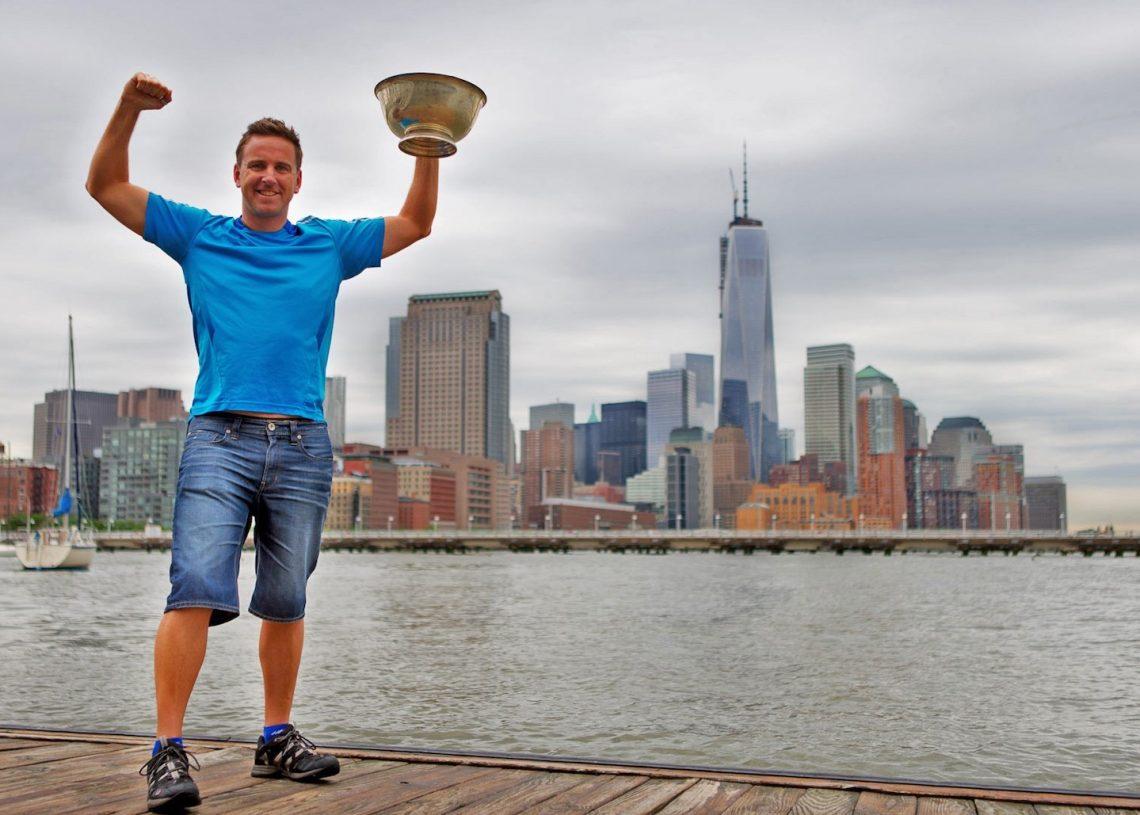
As Head Coach of Swim Smooth, I’ve traversed the globe for both coaching and swimming events ranging from the English Channel to Manhattan Island and even clinching my second victory at Ultraswim 33.3 last October. With each journey, I’ve honed strategies to ensure optimal performance despite the rigours of travel. In fact, I initially created Swim Smooth to be conducted in a very mobile manner because of my extreme passion for travelling. So, whether you’re jetting off to a competition or embarking on a swimming adventure, here’s how to navigate the challenges and arrive ready to make a splash.
Recovery and jet lag
Jet lag can throw off your body’s internal clock, leaving you feeling fatigued and disoriented – a far cry from peak performance. I always set my watch to the destination’s time zone as soon as I hop on the flight to help expedite my transition. To further counteract its effects, you should prioritise recovery upon arrival.
Hydration is key; drink plenty of water to combat dehydration from air travel. I like to use a Berocca B-Vitamin tablet too. Light stretching and mobility exercises can alleviate stiffness from sitting for extended periods. Consider investing in compression garments to enhance circulation and reduce swelling. If possible, schedule your flight to allow for adequate rest before your swim, minimising the impact of jet lag on your performance.
Swimming kit essentials
Never underestimate the importance of carrying your swimming kit in your hand luggage. Lost luggage can wreak havoc on your preparations, leaving you scrambling to replace essential gear. This has happened to me several times, but I’ve always had my bathers, cap and goggles on my person. By keeping your swim equipment close at hand, you ensure that you’re ready to hit the water regardless of any travel mishaps.
Post-travel loosening up
After a long journey, your muscles may feel tight and sluggish. Combat this by incorporating dynamic stretches and activation exercises into your routine. Focus on areas prone to tension, such as the shoulders, hips, and lower back. A brisk walk or gentle jog can also get the blood flowing and prepare your body for the demands of swimming, even if you’ve arrived quite late. Olympic gold medallist in triathlon, Kristian Blummenfelt, is known for hitting the treadmill at 2am when he arrives off a late flight!
Nutrition and hydration
Proper nutrition is paramount when traveling for a swim event. Opt for easily digestible meals and snacks to fuel your body without weighing you down. High-carbohydrate foods provide a readily available energy source, while lean proteins support muscle recovery.
Pack nutritious snacks like fruit, nuts, and protein bars to tide you over during long flights or layovers (I say this, but I it’s the one thing I often forget and always curse myself for afterwards!). Hydration is equally crucial; aim to drink water regularly throughout your journey to maintain optimal performance.
Pre-swim warm up
Upon reaching your destination, it’s tempting to dive straight into the water. However, a measured approach is key to preventing injury and maximising performance. Start with a gentle swim to acclimatise to the water and assess your stroke mechanics. Focus on technique rather than intensity, allowing your body to adjust gradually. If confined to a small hotel pool, adapt your warm-up accordingly, focusing on drills and form correction rather than distance or speed.

Timing your travel
Ideally, you should arrive at your destination with ample time to acclimatise and prepare for your swim. However, last-minute travel is sometimes unavoidable, requiring swift adjustments. In such cases, prioritise rest and recovery upon arrival, making the most of the time you have. Utilise relaxation techniques such as deep breathing or meditation to combat pre-race nerves and promote a calm, focused mindset. I use the Headspace app set to ‘Sandy Cove Cottage’ and this works a treat!
Preparing for varied conditions
Swimming events often present challenges vastly different from your home training environment. Whether it’s choppy seas, strong currents, or unfamiliar water temperatures, preparation is key to overcoming these obstacles. Research the conditions of your event in advance, and tailor your training accordingly. Speak to local swimmers and even fishermen if appropriate. Practise open water swimming if possible, simulating race conditions to build confidence and adaptability. Invest in appropriate gear, such as wetsuits or thermal caps to mitigate the effects of cold water if necessary. Mentally prepare yourself for the unknown, embracing the adventure and embracing the opportunity to test your skills in new surroundings.
Traveling for a swim event requires careful planning and preparation to ensure optimal performance. By prioritising recovery, packing essentials in your hand luggage, and adapting your training to the conditions, you can arrive ready to conquer any challenge that awaits. Remember, the journey is just as important as the destination – embrace the adventure and swim your heart out. I live for both swimming and travel, so for me this is the perfect pairing.
The Swim Smooth Guru offers structured training plans designed to guide swimmers through the intricacies of long-distance training. These plans take into account the need for incremental progress, technique refinement, and varied paces, ensuring that you’re primed and ready for the challenges ahead. Try seven days for free at swimsmooth.guru