




Can you tame lane rage?
Simon Griffiths plunges into a controversial topic… can you tame lane rage?
Diving into this topic feels much like entering a crowded lane at a public swimming session: someone is bound to be upset no matter how considerate I try to be. The last time we wrote about lane rage, we ruffled quite a few feathers. Still, our editor, Ella, asked me to share my advice on swimming politics, so here goes.
What is lane rage?
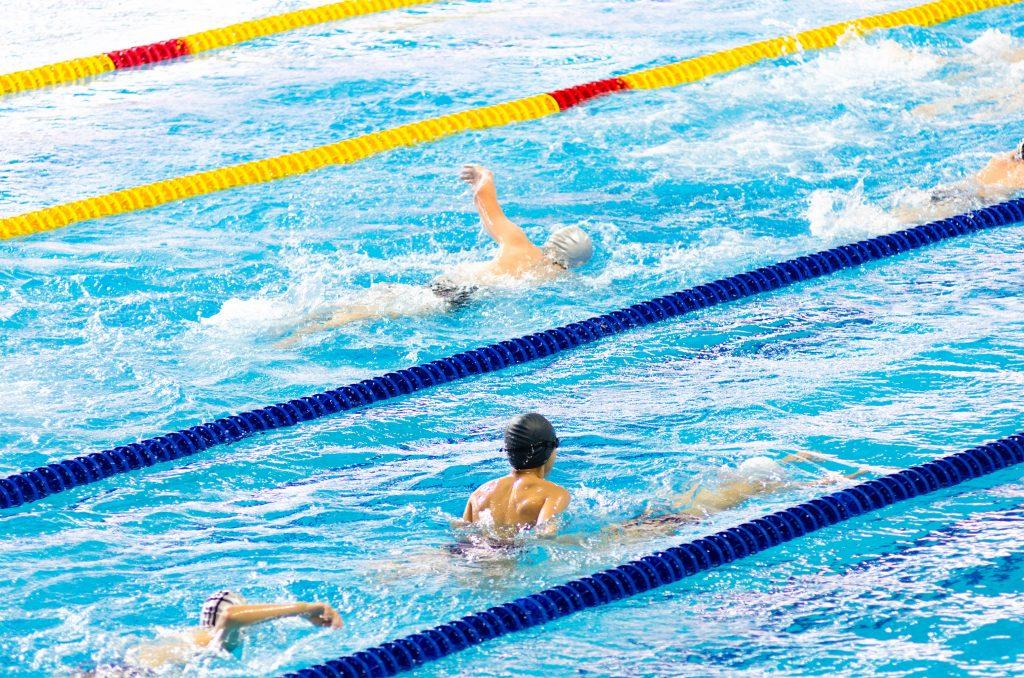
Lane rage is essentially pool swimming’s version of road rage. It occurs when one swimmer feels another has been inconsiderate, broken some unwritten rule of pool etiquette or simply got in the way. The result can range from sulky passive-aggressive lane blocking to full-on swearing, shouting, and the involvement of pool management. It most often happens when swimmers of different speeds and experience levels share the same lane.
For instance, a fast swimmer might get frustrated if a slower swimmer makes it hard for them to overtake. Conversely, the slower swimmer might wonder why the fast swimmer can’t just relax and slow down a bit. You can see both points of view.
But aren’t there rules?
While some pools publish guidelines, they are rare and rarely consistent. Club swimmers follow certain conventions, but these aren’t universal, and public swimming is different from club swimming anyway. For example, in clubs, tapping the foot of the swimmer in front generally means “please let me past.” However, a stranger might easily misinterpret this gesture.
So what should you do?
Rather than fretting about what others should or shouldn’t do, the best way to handle lane rage is to avoid it by being considerate yourself. Here’s how:
- Pick your time: If you have the luxury to swim at any time, choose a quiet period or one when you know swimmers of similar ability will be in the pool.
- Coordinate the lane: If everyone is following the same routine, the lane will flow better. You could ask to join someone’s session or invite others to join yours. But always keep it friendly.
- Speak to other swimmers: Making friendly contact reduces the likelihood of conflict. Understand what others are doing and explain your own plans. See if you can find a mutually agreeable compromise, even if you’re not doing the same thing.
- Adapt and stay calm: It’s easier to change your swim routine and manage your feelings than to change others’ behaviour. Besides, maintaining a zenlike calm might be more beneficial than sticking strictly to your training plan and ending up stressed from conflicts.
In brief, the key to taming lane rage is courtesy, communication, and adaptability, and thereby hopefully avoiding the need for contentious rules.
Lead image by Stan (Malcom Laverty)

Simon Griffiths
I started Outdoor Swimmer in 2011 (initially as H2Open Magazine) as an outlet for my passion for swimming outdoors. I've been a swimmer and outdoor swimmer for as long as I remember. Swimming has made a huge difference to my life and I want to share its joys and benefits with as many people as possible. I am also the author of Swim Wild & Free: A Practical Guide to Swimming Outdoors 365 a Year, I provide one-to-one support to swimmers through Swim Mentoring and I'm the creator of the Renaissance Swimmer project.