

Nurture nature
Rowan Clarke meets the outdoor swimmers who give back to their swim spots, whether it be through litter picking and water testing or campaigning and wildlife monitoring
Swimming outdoors gives us huge health and wellbeing benefits. But the way that we connect with the environment in which we immerse ourselves is critical. More than ensuring that we don’t negatively impact our swim spots, we need to nurture a reciprocal relationship with them. In other words, we can’t go into the sea and expect it to make us feel better without understanding, loving and caring for it.
For lots of us, we find ourselves natural guardians of our swim spots. More than places we go to swim, as we get to know and understand them, we develop a sense of belonging and therefore responsibility for them.
So, what does this environmental stewardship look like? And how can we nurture nature to not only benefit the places we swim, but also the environment as a whole?
River views
Mention environmental campaigning in the context of swimming outdoors, and your mind probably goes to water quality. River pollution has recently hit the headlines and with only 14% of England’s rivers in good ecological health according to the Rivers Trust, it’s not surprising.
But the UK’s river swimmers don’t need statistics to know that our rivers are in a dire state. “You get so in tune with it because you’re in it every day. You know every section of the river and you just connect,” says Angela Jones, who has spent most of her life in and around the River Wye. “Then you start seeing changes and neglect, people’s sewage flowing straight in, pollution from the chicken sheds or the water companies, but you just know what type of sewage it is.”

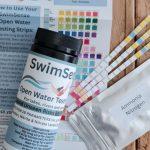
When Angela started noticing significant ecological changes to the Wye seven years ago, she began campaigning. She learned how to test the water, to collect scientific data for the changes she could see and sense – water testing, wildlife monitoring. She also learned the political language that would help her make an impact.
“All I wanted to do is enjoy nature and show people how to protect it and respect it,” she says. “But you realise that to be taken seriously, for anything to go forward, you’ve got to collect data, sit on all of these big core groups, and attend Westminster and give evidence. I had to put my head on the block because I felt like I was losing my river.”
While Angela starting locally, her campaigning work soon added to a growing movement. She has become one of the most experienced, most vociferous activists who now lends their expertise to others.
Elsewhere, a group of swimmers successfully campaigned for designated bathing water status in a section of the River Wharfe in Ilkley, inspiring others to try too, such as Conham Bathing in a beloved section of the River Avon in Bristol. In 2020, they gained a water quality expert, Eva Perrin who not only helps test the water quality, but also successfully fought for real time notifications from Wessex Water about when their overflow sewage pipes discharge.
“I was investigating the impact of pollution on bacteria in rivers for my PhD, so I had this science background, but I always saw it as separate to my community of friends who I went swimming with,” says Eva, who also works for Surfers Against Sewage. “Conham’s important to me, so I ended up tying together my love of water with my academic background and got involved with this community group. We’ve become like guardians of this data, with which we raise awareness and use as a key engagement tool.”
Lending expertise
While outdoor swimmers like Angela learn technical skills and knowledge through campaigning, there are plenty of experts among us, like Eva Perrin and Technical Director at the Rivers Trust, Michelle Walker.
“I loved outdoor swimming, but I couldn’t see anything out there that would help me understand what the pollution risks were on my local river,” says Michelle, who leads The Rivers Trust’s Citizen Science projects and its work against sewage pollution. “We’d always been motivated from a wildlife protection point of view, but a lot of people connect to their local blue space because of recreation.”
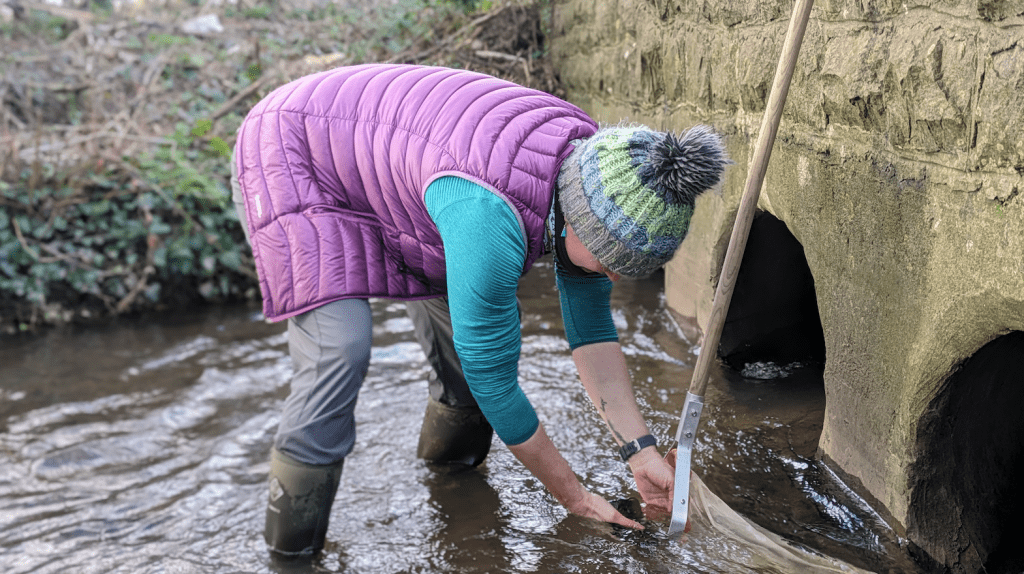
As an outdoor swimmer, Michelle was able to help the Rivers Trust connect with swimming communities, adding us to its bank of people power harnessed to improve our natural environment through activism, volunteering and campaigning.
“We’re all about educating and engaging people because, if you don’t understand wild spaces, you can’t love them and if you don’t love them, you can’t fight for them and protect them,” says Michelle. “If our rivers are fit for swimming in, then they’ll be fit for wildlife as well.”
Protecting wildlife
As outdoor swimmers, we encroach on wild creatures’ habitats all the time. While many of us acknowledge this by helping keep those habitats clean and clear of human rubbish and pollution, some go further.
In the North East, ice-swimmer Becca Harvey was moved to help protect the seals with whom she shares a love of sea swimming. She contacted the BDLMR (British Divers Marine Life Rescue), a people’s charity that offers various ways to support marine life. In 2022, Becca became a qualified BDLMR Marine Mammal Medic.
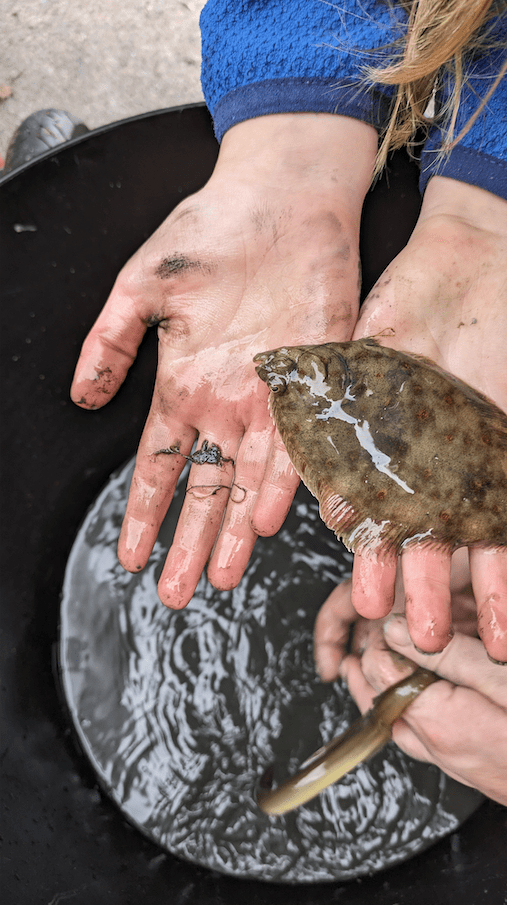
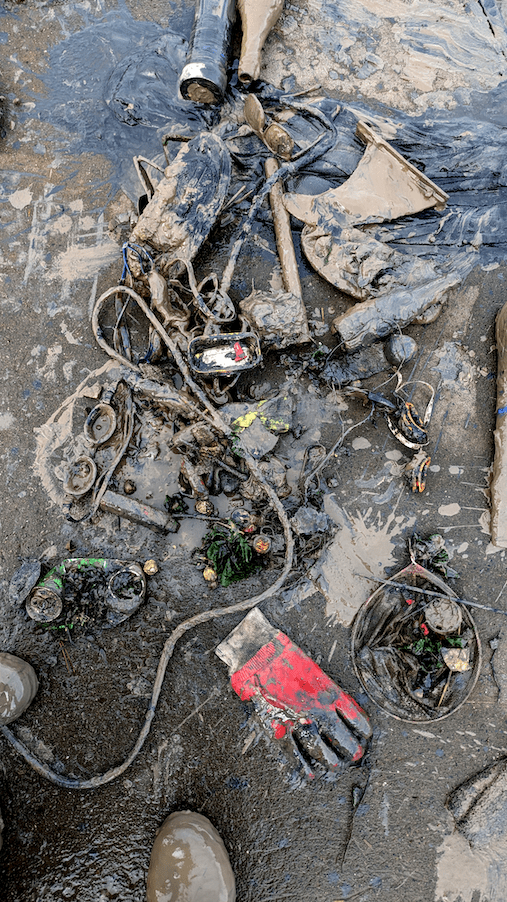
“I think, as anybody who use any outdoor space and enjoys it, surely we should want to protect it,” says Becca. “But people often see it from the perspective of making water safe rather than protecting the flora and fauna that have no choice but to be there. As outdoor swimmers – I mean, we’re effectively honorary marine mammals ourselves – we’re custodians. So, I’m a sea swimmer in the North Sea giving something back to the ocean I love by helping protect the things that live in it.”
When we share space with wild creatures, learning to understand them feels like the least we can do. All around the UK’s inland and coastal waters, there are projects to introduce new species, restore habitats or simply observe wildlife, such as the Rivers Trust’s Big River Watch and the Seabird Monitoring Programme with the British Trust for Ornithology.
Pass it on
Again, we circle back to this idea of connecting with nature. Gaining a deeper understanding of the places where we swim, their flora, fauna and ecosystems benefits us and the wider environment. And a huge part of that is education.
Education is another way in which outdoor swimmers give back to their communities. For example, Angela lends her expertise to other water quality campaign groups and Eva publishes water quality results, sharing them with the local community. Outdoor swimmer and activist, Lindsey Cole swam the length of the Rivers Thames and Avon as a mermaid, and turned her adventures into children’s books.
Another example is the 2 Minute Foundation’s CEO, Nicky Green, who grew up on the North Devon coast where she faced plastic pollution every day. Her organisation runs beach cleans and inland litter picks, sustainability workshops and networking events to share ideas and help you set up a community group. It also runs a beach school in Bude for all ages where you can learn about coastal habitats.
“We all need nature to survive,” says Nicky. “And if we can protect nature and make it thrive, then we can encourage more and more people to see how special it is and how it’s important to the way we live.”
The power of Nicky’s example is its simplicity. Swimming the length of a river and then writing a book takes time and skill, helping rebuild a river bank or rescuing sick seals requires the support of experts, but spending two minutes picking up litter is an easy win.
“We can all be imperfect environmentalists,” says Nicky. “It’s overwhelming, but as individuals, if we all do our part, then we can make collective change. Two minutes is about being really good stewards of the planet, so we all need to be in this together.”
The power of community
The notion of being in it together is an outdoor swimming super power. Bonded by the joy of cold water immersion, communities of swimmers have a shared incentive to look after their swim spots. A great example is the community at Gaddings Dam in the Calder Valley that works to maintain the reservoir, including lifting more than 2000 stones from the reservoir floor and returning them to the walls.
Another is Clevedon Marine Lake where the community of lake users looks after the maintenance of the lake. “I started volunteering because I wanted to give something back,” says Tim Clouter, whose work has included rescuing eels, installing accessible steps and repairing the sea wall. “Initially, it was fairly simple but essential tasks like litter picking and seaweed clearing, and my involvement grew from there. When I use the lake and see how others love and appreciate it, it’s a great feeling to know I’ve played a small part in that.”
From litter picking and monitoring water quality to mending walls and nursing seals, as outdoor swimmers, we use our expertise and enthusiasm to look after our swim spots. We do it to give back to the places we love, to show our appreciation for the many ways in which they enhance our lives. And our efforts are rewarded with an even deeper sense of satisfaction and a greater bond with the natural world.
“There’s research that shows that properly connecting people with nature, getting them emotionally and physically involved, is beneficial to their mental wellbeing,” says Michelle Walker, as she counts invertebrates from a kick sample of her local river bed. “Much more than walking by a river, diving in and learning about it, getting to know what’s in there, it’s a positive feedback loop. So, I feel a real connection to this site because I survey it every month.”
When we think about supporting our local swim spot, we may think about litter picking or water quality. But there are so many more brilliant things that we can do to give back to our swim spots.
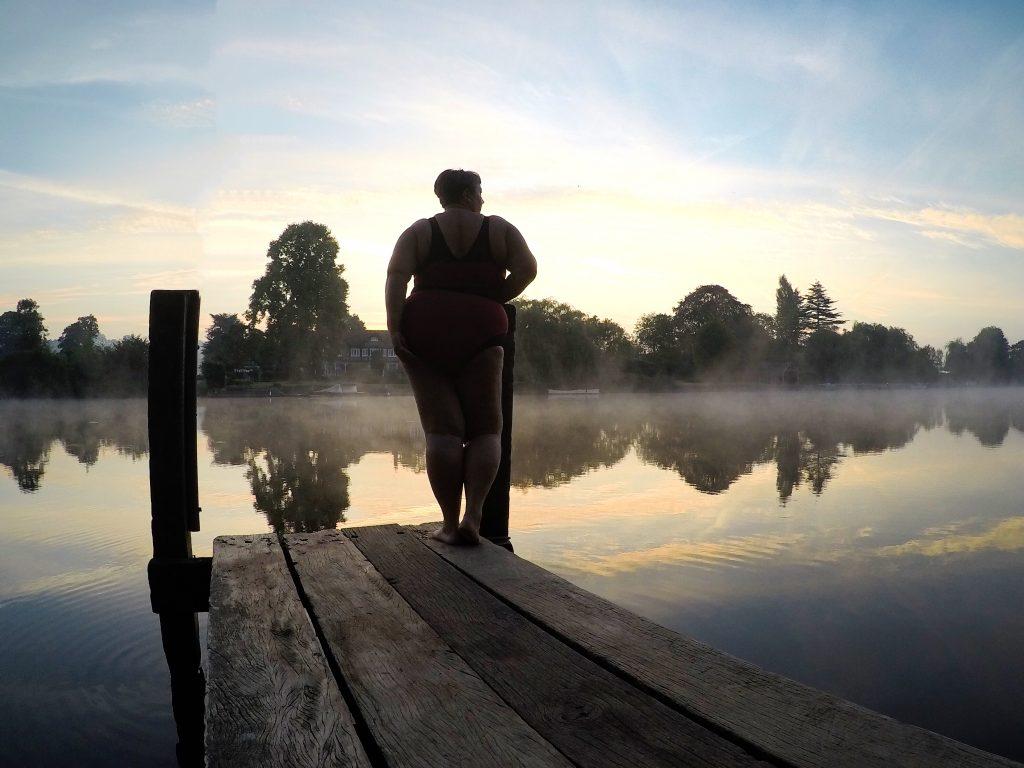
7 ways to be guardian of your swim spot
- Do a 2 Minute litter pick: 2minute.org
- Join the Rivers Trust Big River Watch: riverstrust.org
- Join Surfers Against Sewage: sas.org.uk
- Volunteer for your local environmental group
- Educate yourself or lend your expertise to others
- Join a citizen science programme or test water quality: riverstrust.org
- Report any environmental problems – the Office of Environmental Protection website has a directory of who to contact

Outdoor Swimmer
Outdoor Swimmer is the magazine for outdoor swimmers by outdoor swimmers. We write about fabulous wild swimming locations, amazing swim challenges, swim training advice and swimming gear reviews.