


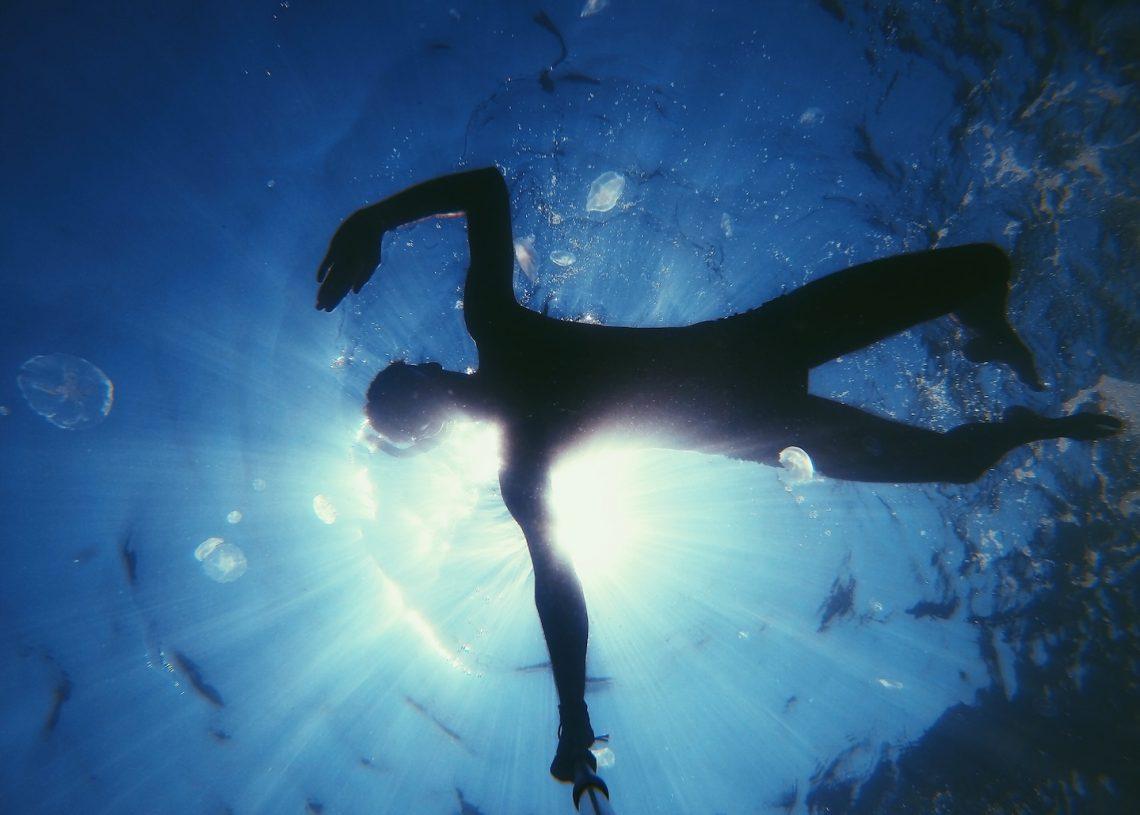
Events and wildlife
Alice Dearing shares her experience about how to deal with wildlife when taking part in events and competition
One of the great benefits of our sport is getting to swim in nature herself. This can range from crystal clear, white beached oceans to lakes set beneath the gaze of mountains or fast paced rivers, which flow through rainforests and jungles. Or maybe I am looking back on some of my race venues with rose tinted glasses… either way, the natural aspect of our sport is one of the main reasons it continues to balloon in popularity. This nature extends far beyond what our goggles can see, a beautiful but terrifying fact.
Wildlife encounters are an inevitable experience, especially when training and competing in distances marathon and further. Here are some of the things I’ve seen and learned along the way which will hopefully make those challenges easier to contend with when the time arises.
Prepare!
There is something as too much information, but in open water you can never be too safe. So do your research into what to expect when going into a swim.
If you’re doing a solo swim, try reaching out to people who have swum it before. Get their take on what they saw, heard and what the pilot was telling them. Second-hand experience is invaluable in our sport as that is how it has risen to people completing such amazing feats. Community is our strength.
If you’re doing an organised race, check out the race footage and socials from the previous years. In interviews, swimmers often love to speak about what they saw in the water, be it colourful fish, stingrays or the dreaded jellyfish. Either way, there is always valuable information to be found.
In both cases, you should do your research into what you can expect when swimming. Being well informed can help you build up your confidence. As well as knowing what is harmful to you. Safety is key.
In the moment
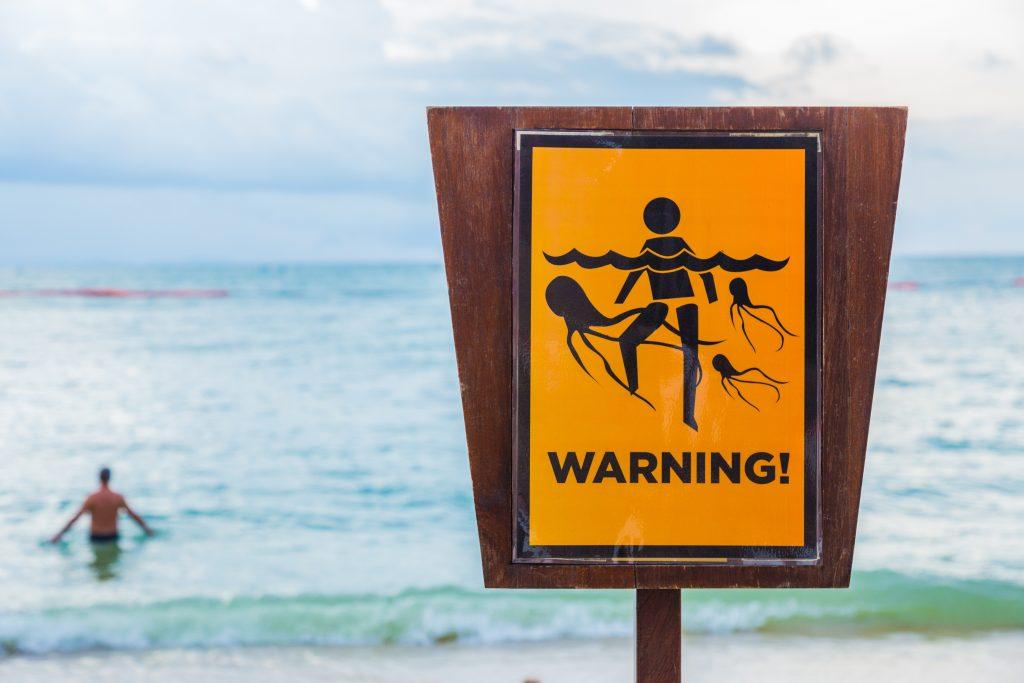
Speaking from experience, wildlife does often evoke a reaction while you are swimming. Be it irritation, fear or wonder. This is okay and as long as it doesn’t pose a life-altering threat to you, take a breath and keep going.
For my second ever open water experience, I was taken to Turkey to swim at the European Junior Championships. In the training session there were hundreds of jellyfish. Spanning my 10-year-long career swimming for GB internationally on all six inhabited continents, I have never witnessed anything like it. They were everywhere. Every stroke you took forward another one would pop up. To top it off at the end of the lap there was a huge bloom of them, which we swam into the middle of. I was freaking out and I think I must have been screaming a lot. Anyway, the coaches pulled me out and told everyone to keep swimming. The race was two days later and I had resigned myself to hating the sport.
Come race day I set my fears aside and dove in. Truthfully, I can’t remember if there were still jellyfish or the whole issue had cleared up but I do not remember at all if they were there. I was so concentrated on my race plan and racing that even if they were there, I didn’t care. I ended up winning the race (5k) by 0.02 seconds, making it one of my fondest memories.
My approach to coping with the conditions was telling myself that if everyone else was swimming and they were fine, I would be too. I used the courage of others around me to find my own and cast off the fears of the wildlife. I do not like to pretend that it is easy jumping into water with things that can hurt you. It’s not and it’s okay to be afraid. But you do not have to let that define your swim. Take control of your emotions and steel them.
In other places around the world I have swam with stingrays, lionfish and jellyfish that didn’t sting (this was in a river in Perth, Australia and honestly, I hated them even more than the Turkey ones). Note how I said ‘swam’ and not ‘seen’; this is because I would never look too closely. I am one of the swimmers that would rather not see what we share the water with. To do this you have to look at the water not through it. But there are others who would hop out and gleefully speak of the wonders we get to see.
In short, as with everything in open water swimming, it is personal and relies on your own mental fortitude to overcome what is in front of you. Encountering wildlife is an exciting aspect of the sport and as long as you are safe you’ll have some very fun stories to tell.

Outdoor Swimmer
Outdoor Swimmer is the magazine for outdoor swimmers by outdoor swimmers. We write about fabulous wild swimming locations, amazing swim challenges, swim training advice and swimming gear reviews.