COACH,  Coach Cassie,  EXTRA,  November 2023,  Premium,  Top Tips,  Training and Technique

How can I pace myself when swimming long distances?

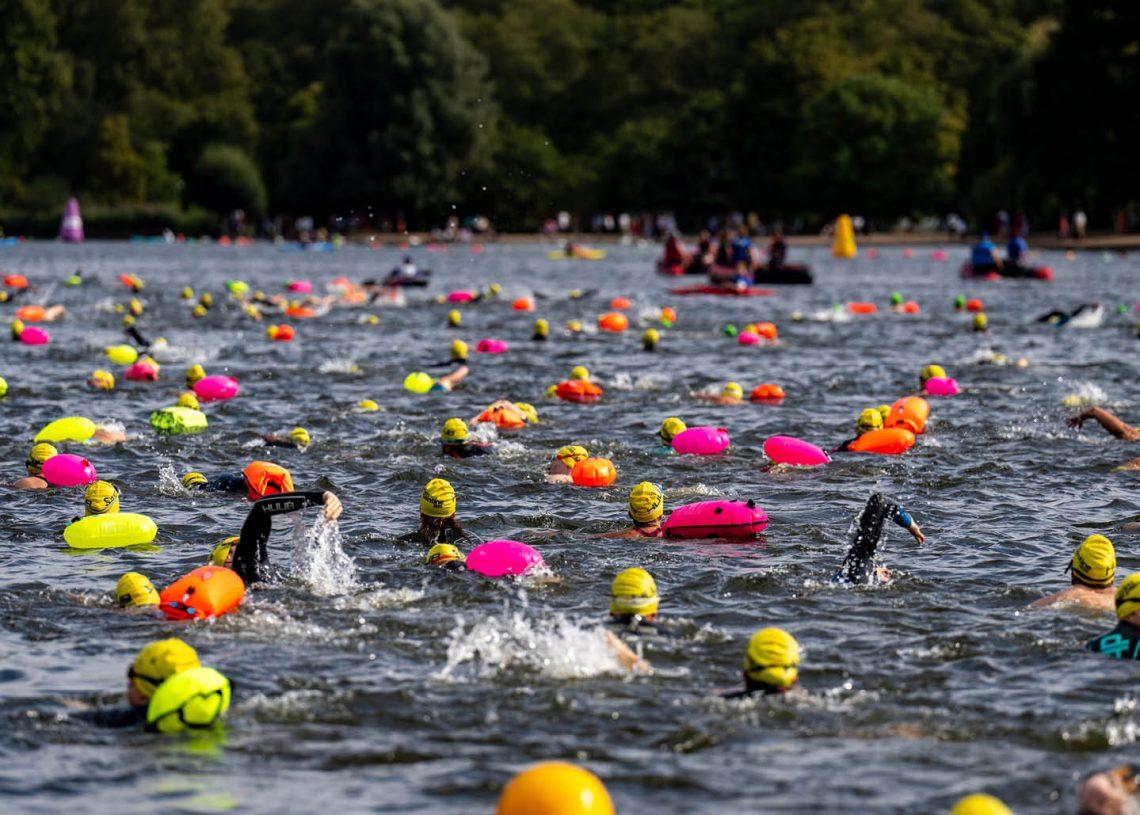
Giving a talk before Swim Serpentine, swim coach Cassie Patten advised swimmers to start out steady and build into their long-distance swim – but how exactly do you do this?

Outdoor Swimmer reader Jill asks: “I met you at Swim Serpentine and it was great hearing your top tips before the event. My one question is around pacing. You mentioned to start out steady and build into it, but I have no idea what that means as I only seem to swim at one pace. Is this something that I should be looking at in training? If so, how on earth do I go about it? I’ve only ever thought about swimming as going up and down. I did manage to finish the two miles, but I did get caught up and overtaken by the wave behind, which was somewhat embarrassing. I’m a 57-year-old postmenopausal woman who started swimming as I cannot stand running!”

Coach Cassie Patten’s advice on pacing when swimming

Thank you so much for your question. Swim Serpentine was such a great event and I loved every second of it. For those people who didn’t attend, before each wave started, I had the honour of giving the swimmers my top tips for the swim. I mentioned that pacing was important and told the swimmers to break the swim into quarters, the first being controlled, the second building pace throughout and the final quarter pushing strong for the finish. Let me explain why this is important.

I would be a rich woman if I had a penny for every time I have seen a swimmer start off way too fast and then pay for it towards the middle and back of their swim. I have done this myself! It is very hard to manage the rush of adrenaline at the start of an event and it is easy to get drawn into swimming at somebody else’s pace. 

What I recommend doing is thinking about settling into your swim. What I mean by that is a soon as you get into the water, think about your breathing and swimming at a controlled pace. When we get anxious, we tend to gasp for breath in a short sharp action, this leads to more anxiety as it releases the stress hormone into our body. When you are starting a mass participation wave really focus on controlling the out breath. Some people find it beneficial to hum on the exhalation, to notice how long they are breathing for. This should help to alleviate any panic or desire to want to rush at the start.

Secondly, think about how hard you are swimming. If you are thrashing your arms around and splashing the water, your energy expenditure for moving forwards will be tremendously high. In swimming terms this means you’re being quite inefficient; try to bring your attention to moving the water backwards. I like to think about pushing a beach ball behind you, that way you keep your elbow high and your fingertips low which in swimming terms is a perfect catch position. By bringing your attention to this it can allow you to start your swim in a positive and controlled way.

After you’ve got to around a quarter of the distance you can think about building a bit of pace. This may be by increasing your stroke rate slightly or by pressing the water back with more force. You can practise this in your swimming training by swimming 10×50m as 25m steady, 25m pushing the pace through pressing the water back and slightly increasing your stroke rate.

By training your body to swim at different speeds, not only are you hitting different energy systems but you will be increasing your swim speed. If you always swim at one speed, it is incredibly difficult to speed up, but if you are used to swimming at different speeds over time your overall baseline swimming pace will increase.

Read more from Cassie Patten. Get training tips from Olympic marathon swimmer and coach Cassie Patten to become a stronger, faster outdoor swimmer. Learn how to improve techniques, avoid injuries, fuel for races, and transition to open water. Overcome challenges like lack of motivation, self-consciousness, and heavy legs. Cassie offers seasoned advice on everything from drills to nutrition so you can meet your swimming goals.

Cassie Patten also offers coaching and training programs at Wavecrest Swimming.

Stay up to date with The Dip, our free weekly outdoor swimming newsletter.

Outdoor Swimmer is the magazine for outdoor swimmers by outdoor swimmers. We write about fabulous wild swimming locations, amazing swim challenges, swim training advice and swimming gear reviews.