

What does it take to swim an ice mile?
If you’ve ever seen a swimmer at the end of their ice mile, you’ll appreciate what an incredible feat of human endurance it is. As more people not only achieve ice miles but also push its boundaries, we ask if everyone has ice mile potential. And what takes ice-milers from contemplation to completion? By Rowan Clarke.
The swim is just the beginning. “My ice mile starts when I take off my clothes and ends when the first smile comes up in recovery,” says Ram Barkai, founder of the International Ice Swimming Association (IISA). “In that space, I am 100 per cent focused on my mental space, swim and nothing else.”
You might also like:
- Beginners to cold water swimming, read The Benefits and Risks of Cold Water Swimming
- Search our latest articles and advice on cold water swimming
Ram set up the IISA in 2009 as a foundation for rules and safety upon which ice swimming could grow. Since then, he has completed 11 ice miles and the IISA has ratified 783 swims of a mile or longer in water colder than five degrees Celsius. But most significantly, our understanding of cold water has changed from how to train and feed ourselves to the risks and recovery.
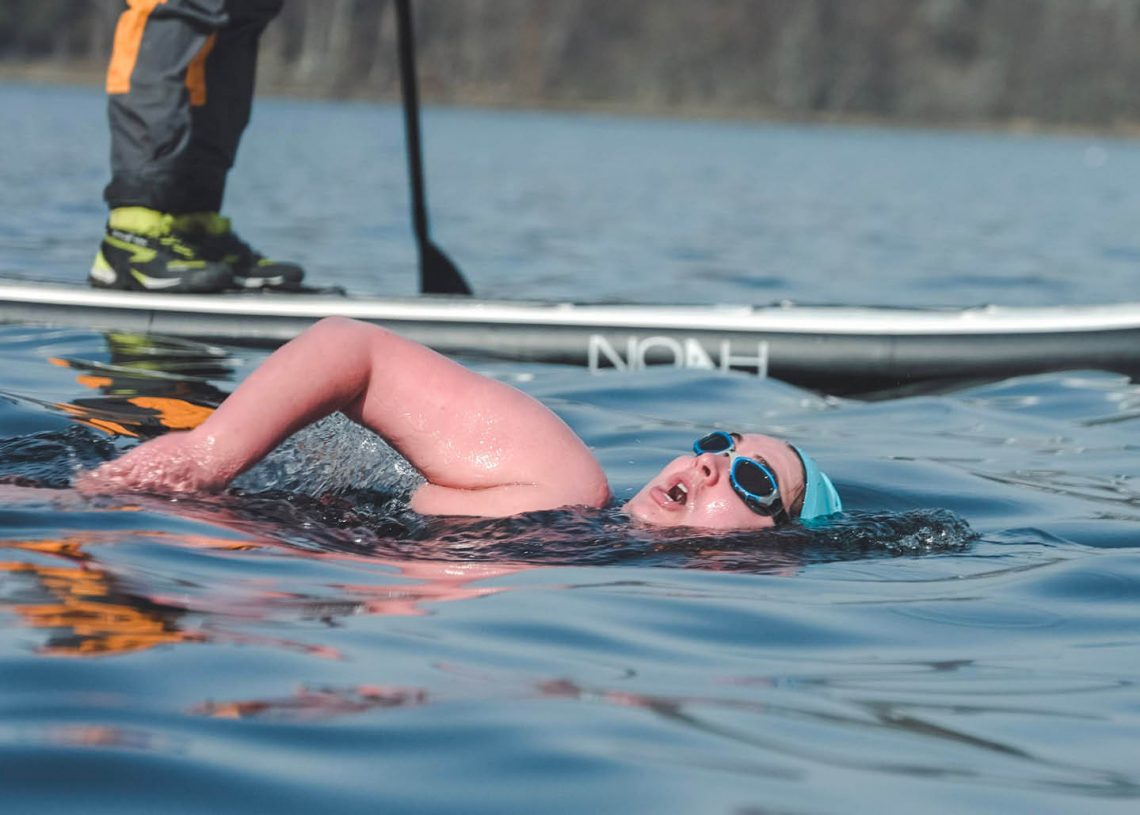
Last March, Becca Harvey became the 676th ice-miler. Becca’s swim was the finale of her film, The Ice Mile, which followed her through her training to her gruelling recovery, where she looked like a “drunk in need of a bed”.
“The relief and elation probably lasted moments before my stomach dropped, and I braced myself for muscle spasms, shivers and I had to completely let go to my safety team,” says Becca. “In those moments, I was scared. Even though I prepared for years, I don’t think I appreciated how hard the warm up would be.”
Safety and coaching
For anyone contemplating an ice mile, understanding the afterdrop is revealing. Almost more gruelling than the swim itself, it shows the effect of spending 25 to 45 minutes in water that cold. It also highlights the importance of experienced coaches, medics, time-keepers, recovery team and boat safety crew to keep you alive.
“I’m there to watch for any effects of the water on their personality – you see people disappear within their own head when it gets really bad,” says Stuart Livingstone, part of the ice mile boat safety crew at Swim Your Swim. “You don’t usually get an issue until you enter the last few hundred metres because if you’re accustomed to swimming in the cold, you can last maybe half an hour and then things start to shut down. And because we’ve done so many, we can spot the indicators very quickly. People take leave of their senses and we’ve had people swim away from the boat, people just stop swimming and literally sink.”
Speaking to Stuart, you start to understand the huge risks. But how can you mitigate them?
Fenwick Ridley, himself an ice-miler, runs H2O Trails in Northumberland and coached Becca to achieve hers. He highlights the importance of proper acclimatisation, preferably getting at least one winter under your belt before embarking on your training.
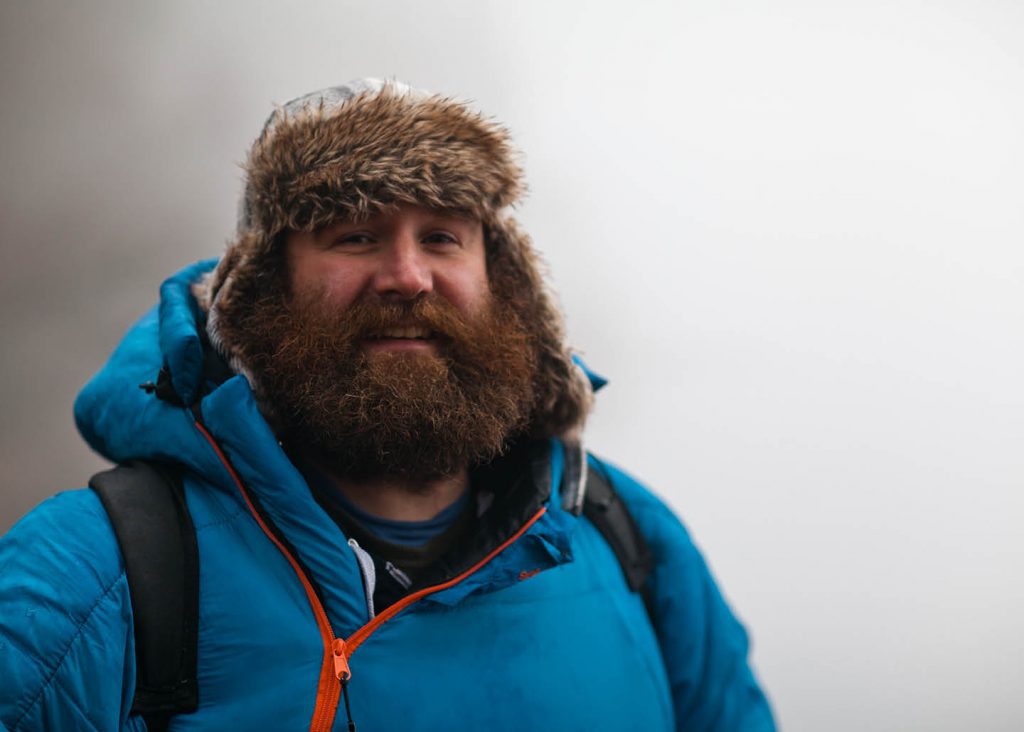

“You have to go into a new realm of a total and absolute reset of your ability to swim,” says Fenwick. “The first thing that people tend to do is chase the temperature. But it’s not about chasing the temperature, it’s about submitting yourself to the very first stages of habituation.”
Habituating to swimming in icy water and then swimming a distance is a tricky process of balancing many factors including environmental, physiological and mental.
“Every single time you approach the water with a different head on your shoulders and a different body,” says Fenwick. “It comes down to your body learning and recognising what you’re doing and it likes small doses. In fact, we get much better adaptation if we do it in structured stages.”
For this, a coach like Fenwick is invaluable. Ice swimming coaching is not regulated, so do your research – look for someone who has recognised open water coaching qualifications, insurance and plenty of cold water swimming experience.
Preparing your mind for an ice mile
The human body has its limits in the cold. In other words, you can’t think your way out of hypothermia or cold incapacitation. However, your mindset as you approach your ice mile is as important as acclimatisation.
“Assuming we can all train and get fit enough to swim that distance in cold water, the mental part becomes critical,” says Ram Barkai. “Unlike warmer water where we can plug our mind to a mindless zone and go, in the ice it can lead to sinking, bad stroke, wrong breathing and many other elements that are important because you need to cover a distance and time is not on your side.”

But, a good ice mile mindset starts way before you start your ice mile attempt. Both Fenwick and Becca emphasise the danger of chasing the ice.
“That first season of training, I was really gung ho. I was chasing that ice mile and that’s one of the most dangerous things you can do,” says Becca. “If you hang any type of self-worth on your achievement – it’s death inducing, really. You can’t push yourself; it’s just not the way. You almost have to give yourself to the elements and allow the water or give it to you.”
Seventy-six new names have appeared on the IISA ice mile record this year so far, and there will be more. Time, distance and temperature records are being broken as our understanding of ice swimming grows.
But there’s so much more to this challenge than being ‘good with the cold’. It seems that it takes a particularly mindset, expert support and a special community to help us conquer the ice mile.
Find out more on the the International Ice Swimming Association (ISSA) website. Join a Winter Swimming Gathering with H2O Trails.
Photos: Mark Brimacombe, Rachel Sarah

Outdoor Swimmer
Outdoor Swimmer is the magazine for outdoor swimmers by outdoor swimmers. We write about fabulous wild swimming locations, amazing swim challenges, swim training advice and swimming gear reviews.