How to train for the swims on SwimRun
Register to get free articles
Want unlimited access? View Plans
Already have an account? Sign in
Swimming in swimruns is different. Simon Griffiths looks at how to prepare for it
This issue, we have a walking and swimming theme going on. But what if you want to increase the effort level and combine swimming with running? There’s a sport for that called swimrun. It emerged in Sweden in the mid 2000s with Ötillö, meaning island to island. This original race still exists in its epic 70km format, running across and swimming between islands in the Stockholm Archipelago. Luckily, for those of us not having elite levels of endurance, there are now shorter options around the world.
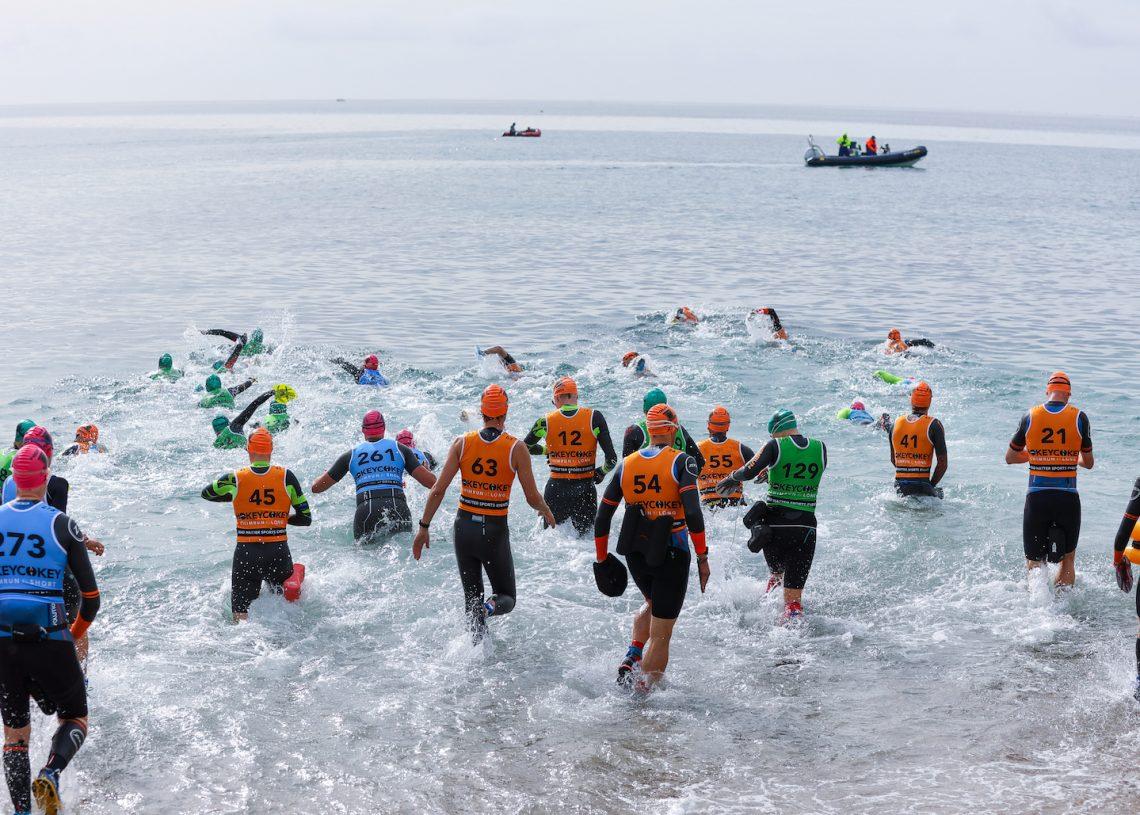
The basic premise is that you carry everything you need with you, which means running in a wetsuit and swimming in your running shoes. Unlike triathlon, there are no transition areas where you change and leave your unneeded kit.
Swimming while wearing running shoes* immediately makes swimrun swimming different from regular open water swimming. Additionally, swimrun rules allow you to use paddles and a pull buoy, and you may be tethered to your race partner.
Train as you intend to race
A common training approach is to attempt to replicate in training the conditions you expect in your event. This would imply doing a high proportion of your training while wearing running shoes (and using paddles and a pull buoy if that’s part of your race plan).
But this isn’t always practical or desirable, especially if your main activity is swimming or triathlon, rather than swimrun. Before you decide how you’re going to train, you need to be clear what you’re training for. If you’re mostly training for open water swimming or triathlon, with the occasional swimrun, then train primarily as a swimmer. If swimrun is your main activity, then prioritise your training to that.
Fundamentals are always important
Swimrun seems designed to stop you swimming fast. Wearing shoes takes away feel for the water on your feet and disrupts your kick and streamline. You often have to wear a race vest, which adds drag, and you may be wearing a race belt with your nutrition and emergency equipment. To compensate, many swimrunners use paddles to add power to their stroke.
But in swimrun as it is in regular swimming, the more streamlined you are, the better. Just because you have factors adding resistance doesn’t mean you can ignore swimming fundamentals. Regardless of whether swimrun is your main sport or an occasional indulgence, you will benefit from working on your streamlining.
In swimrun you can compensate for poor body position and a tendency for your legs to drop by using a pull buoy. This has the additional advantage of stopping you kicking and saving your legs for running. But body position is only one part of streamlining. Others include the angle of your feet to the water, your body alignment and elimination of wriggle, your head position and your catch.
Fast open water swimmers will stay relatively fast in full swimrun kit because they’ve mastered these fundamentals. Do stretches for ankle mobility and core strength training for a solid body. Devote time in training to streamlining, body position and catch. You should even work on streamlining when you train in your swimrun kit – don’t only work on power.
Let’s talk about paddles
Talking about power, think before using paddles in a swimrun race. Test to see if they truly make you faster – not just for a few hundred metres but after you’ve swum several kilometres. If you have sufficient strength and endurance, paddles may help you swim faster, or swim the same speed at a lower heart rate, but it’s not guaranteed. They also add a faff factor.
If you are going to race with paddles, then train with them. There are benefits to training with paddles anyway. But there are also risks. The paddles you use in swimrun will be ones designed to add power to your stroke. This means you need to apply greater force, which can increase your risk of injury. Therefore, increase the distance you swim with paddles gradually, and scale back if they cause any shoulder or elbow pain. Depending on the distance you race, you could try multiple repeats of 400m swims with paddles.
Also, make sure your technique is good, otherwise you will apply that additional force in the wrong direction, which won’t help you swim faster. Do drills and exercises with paddles to improve your catch.
Swimming after running
Running will impact your swimming, both immediately and in the long term. You will get fitter through running, but also risk losing some of the flexibility in your ankles, so keep working on that. Swimming immediately after running is harder because of fatigue and may increase your risk of cramp. Do what you can to practise switching between swimming and running in training.
In a swimrun race, the first few minutes of a swim are tough. Your arms resist the switch from a supporting role on the run to being the main actor in the water. It’s surprising how tired your arms get from running. It helps to loosen out your shoulders as you approach the swim. Straighten your arms and give them a shake. The more you can practise switching from running to swimming (and back again) in training, the more used to it you will be in a race.
The best option is to set up a circuit combining an open water swim and a run and do repeats. Failing that, try running to your swim sessions and leave as short a gap as possible between stopping running and starting swimming. Focus on getting your breathing calm and under control, even if this means swimming slower than usual, and be patient with your arms. They will adjust.
Swimrun is a lot of fun and as a swimmer you should manage well enough on your regular swim training. Still, training specifically for swimrun will enhance your experience. That said, if you’re a stronger swimmer than runner, your best bet might be to spend more time running rather than getting obsessed with the details of specific swimrun swim training.
If you’d like to read more swimrun content, head over to swimrunner.world and sign up for our newsletter there. *You could remove your shoes and swim barefoot while carrying your shoes in a tow float or stuffed inside your wetsuit. You’re also allowed to wear fins in some events. Most people don’t find this advantageous. It’s usually quicker to swim in your shoes.