


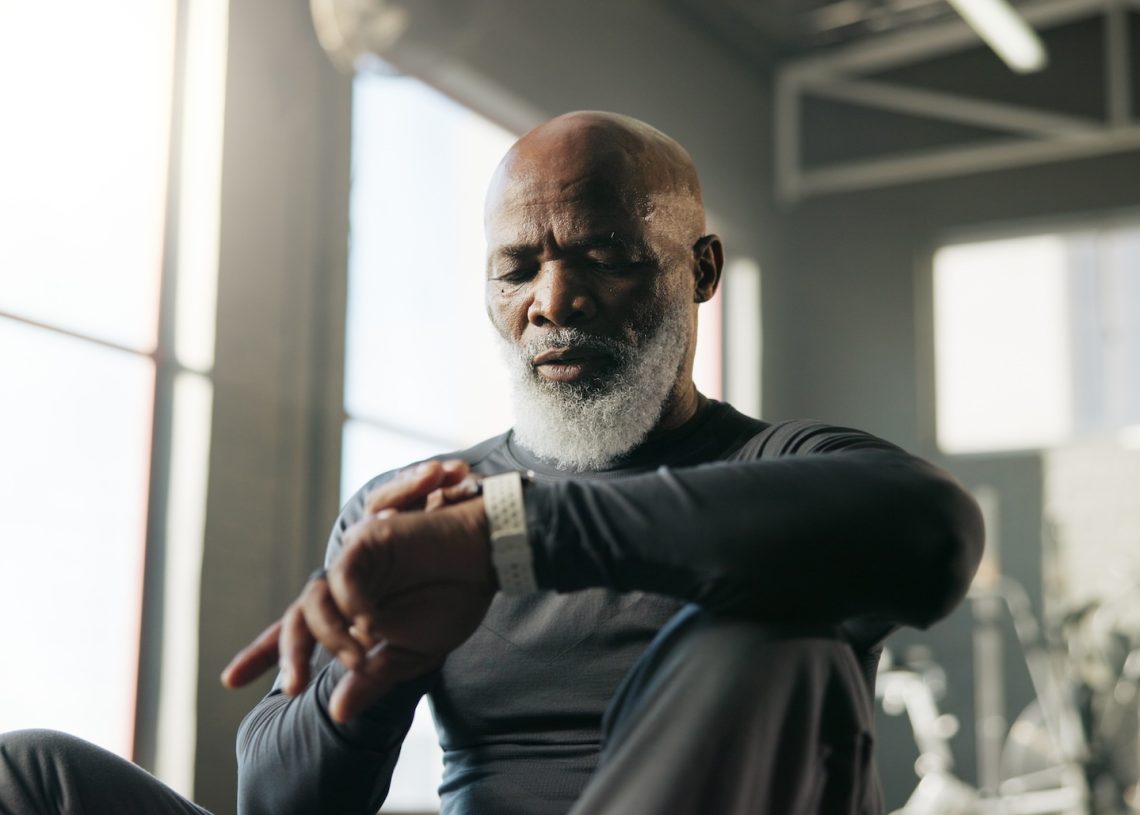
Using AI to create fitness training programmes
Fitness coach Vivienne Rickman explores the possibilities and limitations of using AI to plan and support fitness goals
Artificial intelligence (AI) is everywhere, and there is no denying that it’s becoming increasingly popular within the fitness industry. If you’ve downloaded a food tracker, workout app or an online coaching platform, chances are you are already using AI to plan and support your health and fitness goals. AI has the potential to make exercise more accessible and easier to adhere to, however, there are also limitations to relying on technology for something as individual as our own training.
A quick start
If you type your fitness level, goals, available equipment, preferred activities and time commitments into ChatGPT, within seconds it can generate a training programme and even offer to turn it into a day-by-day PDF with checkboxes to tick off. This can be that’s really helpful for beginners who may feel unsure about where to start.
Not everyone can afford a personal trainer once a week, let alone several times a week, or has access to a professional coach. Because of this, AI-powered tools in workout apps can offer basic guidance and structure at a much lower cost. Having programmes available at any time can also help people feel more confident about their fitness journey, and even with simple things like knowing what to do when they first walk through the gym doors.
Having a clear plan to follow, with simple guidance and progression, can make it easier to stay consistent. For people who struggle with motivation or confidence, a programme can act like a support tool in the background, giving them something to follow when they’re unsure.
Variety, tracking and motivation
Lots of us lose motivation when our workouts become repetitive (me included!). AI can generate endless new exercise ideas, different session formats and challenges to keep training interesting. Nutrition apps can provide daily reminders, encouragement and accountability, which may help you maintain consistency. We can track pretty much anything we want, and it will use this data to inform the next programme it gives us.
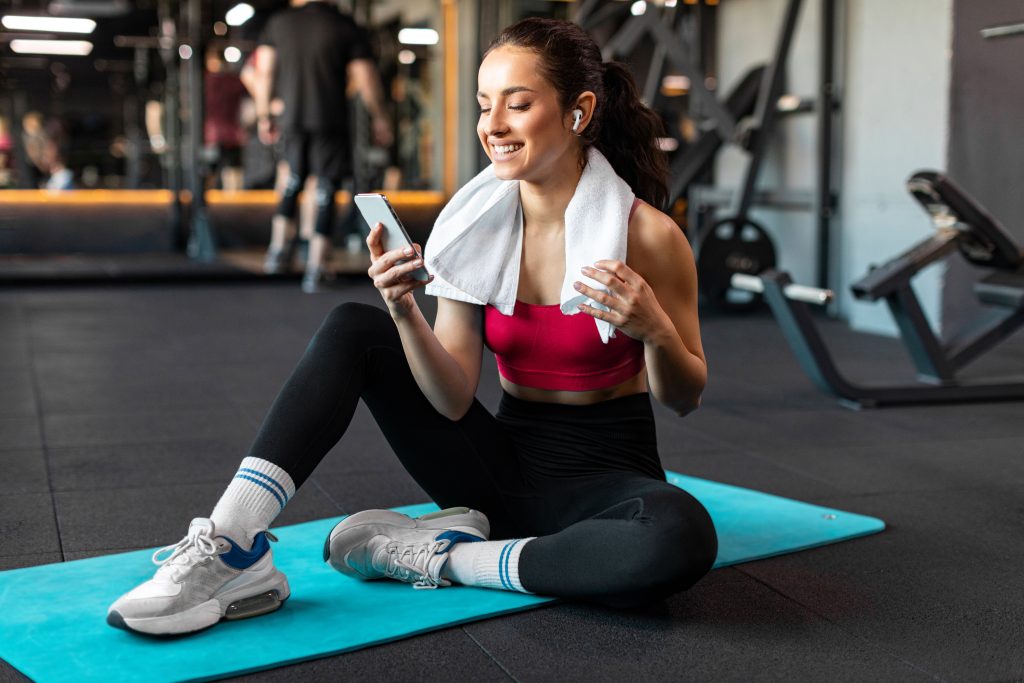
So far, it sounds amazing! Right?
However, there are also downsides to relying on AI for fitness programmes. One of the biggest issues is that it doesn’t really know you in the way a human might. A personal trainer is trained to watch you – they are looking to see how you move, how you are breathing, how quickly you get tired, and spot early signs of injuries. They get to know you, understand what motivates you, and recognise how stress or life circumstances might be affecting your training. They use all of this information to make constant adjustments to your programme.
AI, on the other hand, works only from the information you type in. If you don’t notice or include certain details about yourself, it cannot take them into account.
Human connection
Fitness is not only about completing workouts; it is also about confidence, motivation and long-term behaviour change. A PT or coach will provide encouragement, accountability and education that technology cannot fully replicate.
More and more people come into the gym I work in with their virtual PTs on their phones and ask for help finding a machine, setting it up, or demonstrating an exercise from an app. We don’t always have the exact machine they’re looking for, but I can always show them an alternative exercise. AI can provide information, but it cannot replace the experience and judgement of a qualified PT who understands how to adapt training in real time.
AI can be a really useful tool when it comes to creating fitness programmes. It’s fast – super fast – accessible and can give people a clear starting point, especially if they’re new to training or unsure where to begin. It can also help people stay consistent by giving them structure and simple guidance to follow.
However, it’s not perfect, and it can’t replace the human side of coaching. It doesn’t truly understand how someone feels, and it can miss important details that affect training in real life. Because of this, AI works best as a support tool rather than a replacement. When combined with personal awareness and, ideally, some human guidance, it can be a really helpful addition to someone’s fitness journey.

Outdoor Swimmer
Outdoor Swimmer is the magazine for outdoor swimmers by outdoor swimmers. We write about fabulous wild swimming locations, amazing swim challenges, swim training advice and swimming gear reviews.